
VEGA DEL CODORNO
Location: Vega del Codorno, Cuenca (Spain) — 40.44017 N, 1.9553 W
Dating: 4th–2nd centuries BC
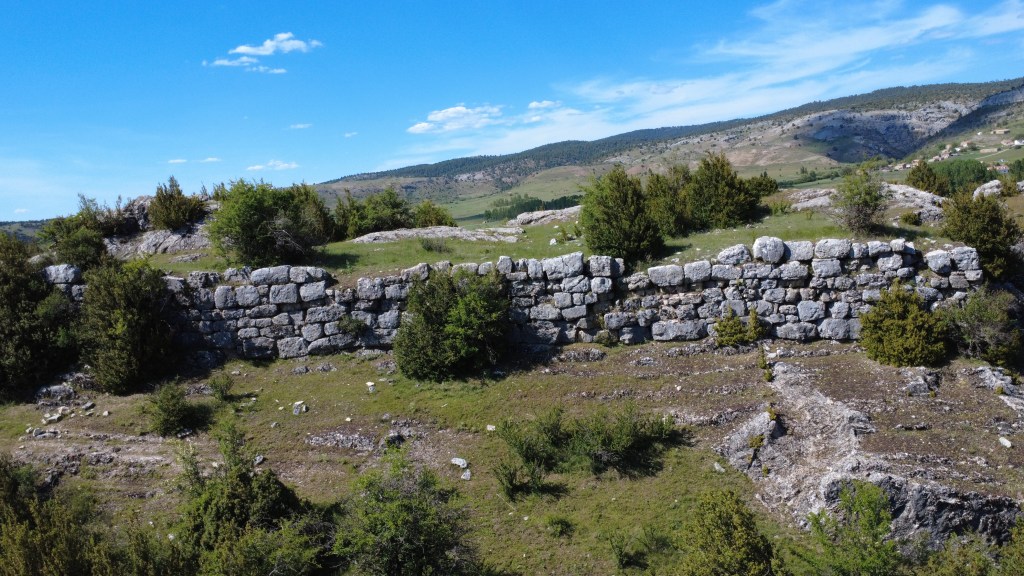
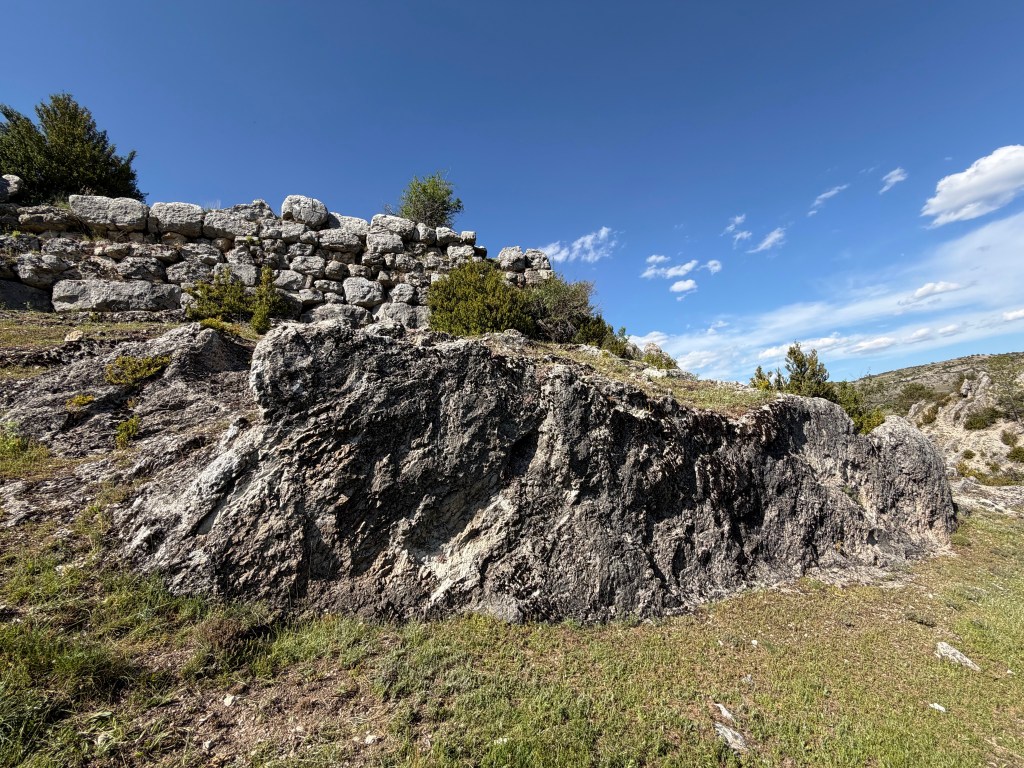
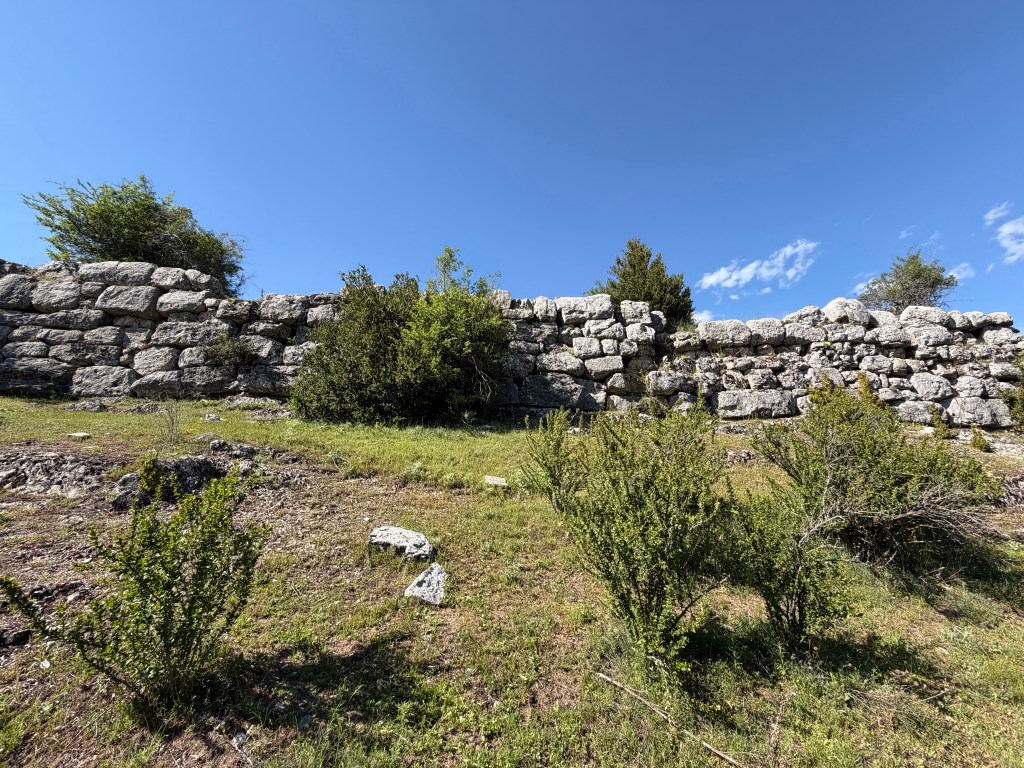
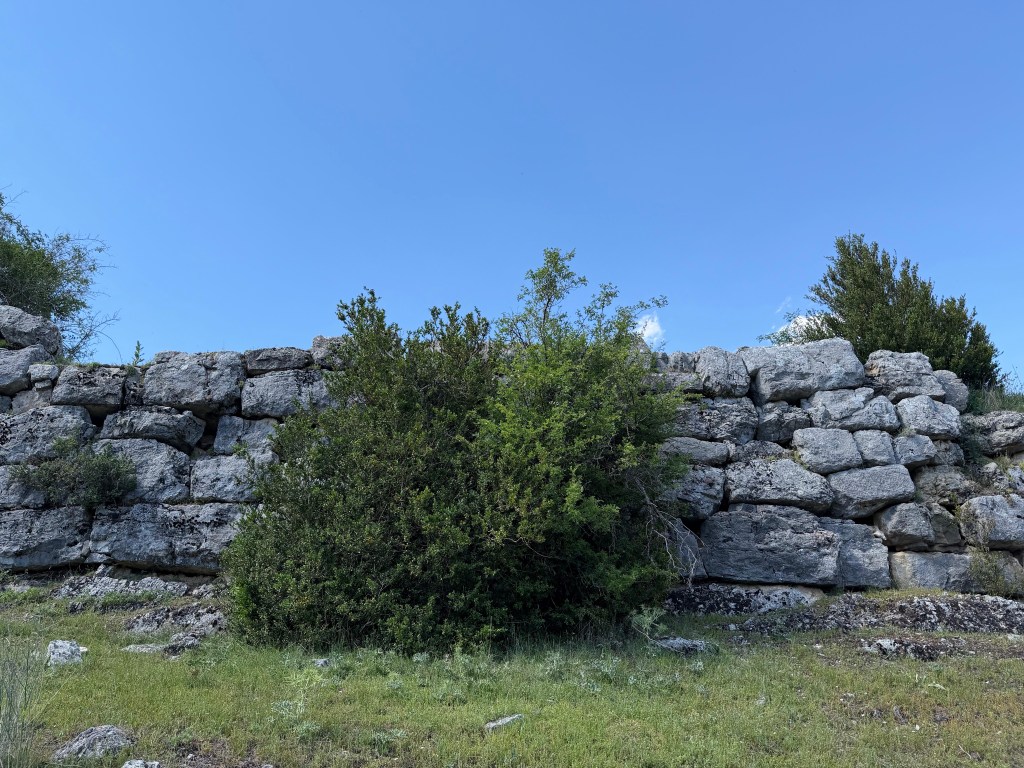
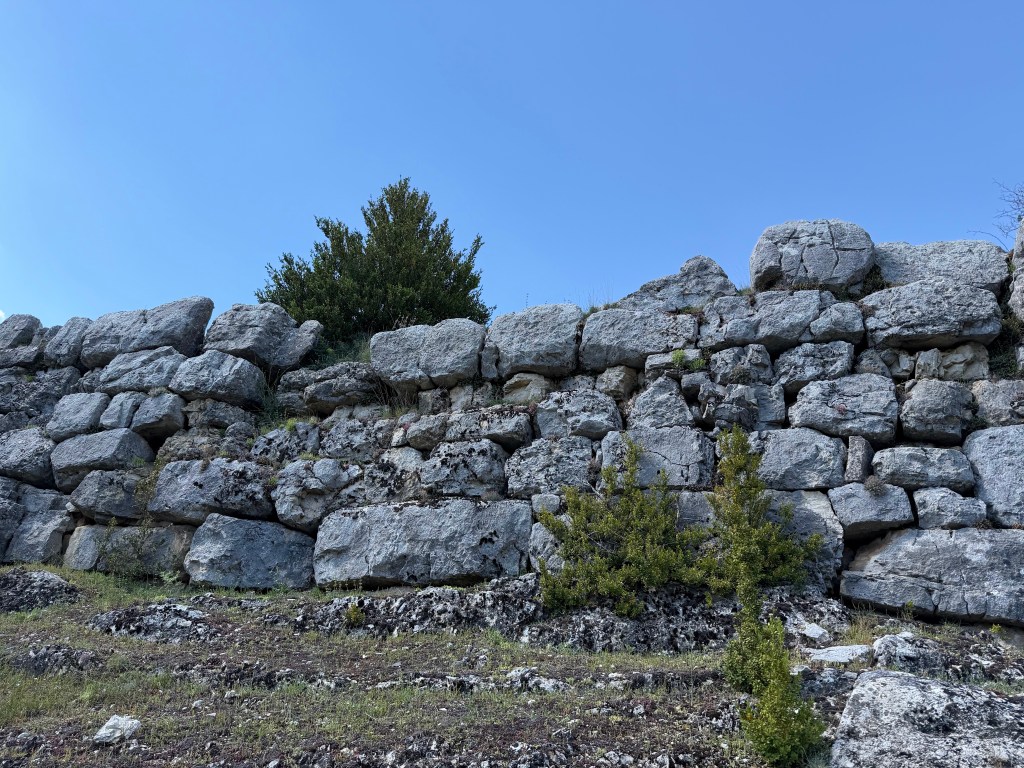
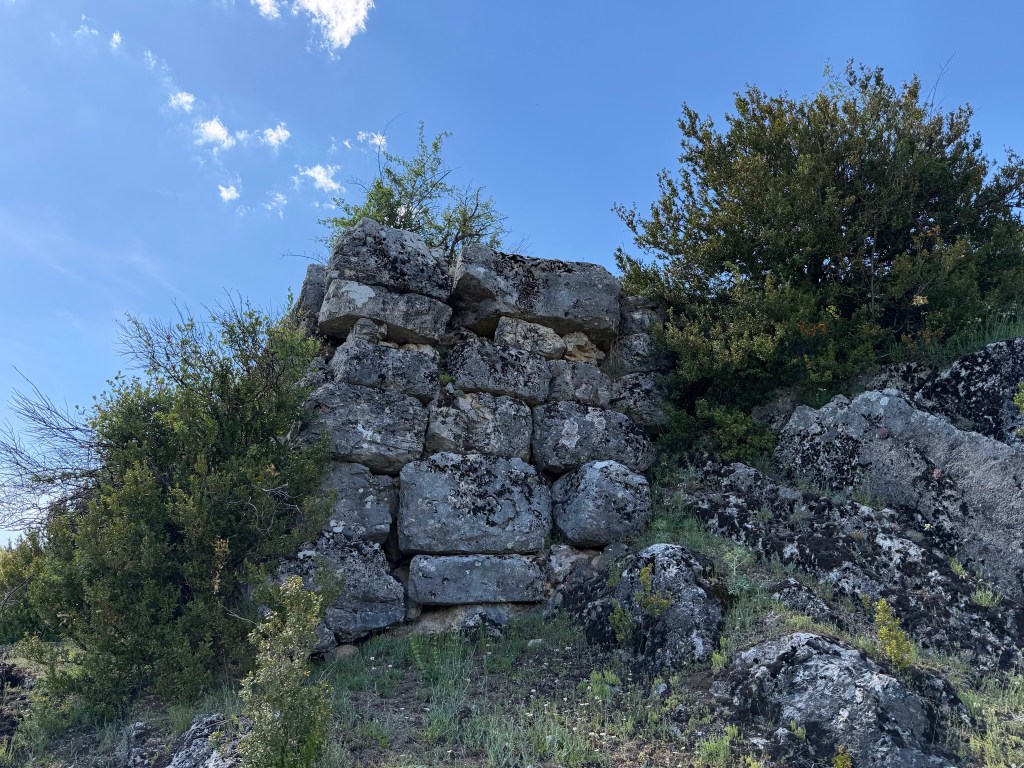
Characteristics: On a small rise in the Parque Natural de la Serranía de Cuenca lies a megalithic wall of Cyclopean-like blocks called Poblado Ibero la Ermita. It extends for over 100 meters overlooking the small valley and river below. Many blocks are slightly over 1 meter long and up to 1 meter high, highlighting the complex nature of construction by small-scale Iberian peoples. The polygonal wall is a great example of the Iberian use of polygonal masonry. While sites like Tarragona and Empuries are attributed to the Romans or Greek colonists, it is clear from Poblado Ibero la Ermita that the local Iberians were capable or inheritors of polygonal stonework. Also of interest within a five minute drive is La Cueva del Nacimiento, a massive cave which may have played a role in the polygonal structure’s strategic position and has a human history going back at least as early as the Bronze Age.
Polygonal classification: Cyclopean blocks most similar to Types I-II (Lugli)
Attribution: The wall is generally attributed to the Iberians of inland eastern Spain (often associated with the Olcades), but there are some suggestions for occupation earlier.
Specific points to see:
- Poblado Ibero la Ermita
- Cueva del Nacimiento

