
ULACA
Location: Solosancho, Ávila, Spain — 40.5297 N, 4.8853 W
Dating: 4th–1st centuries BC
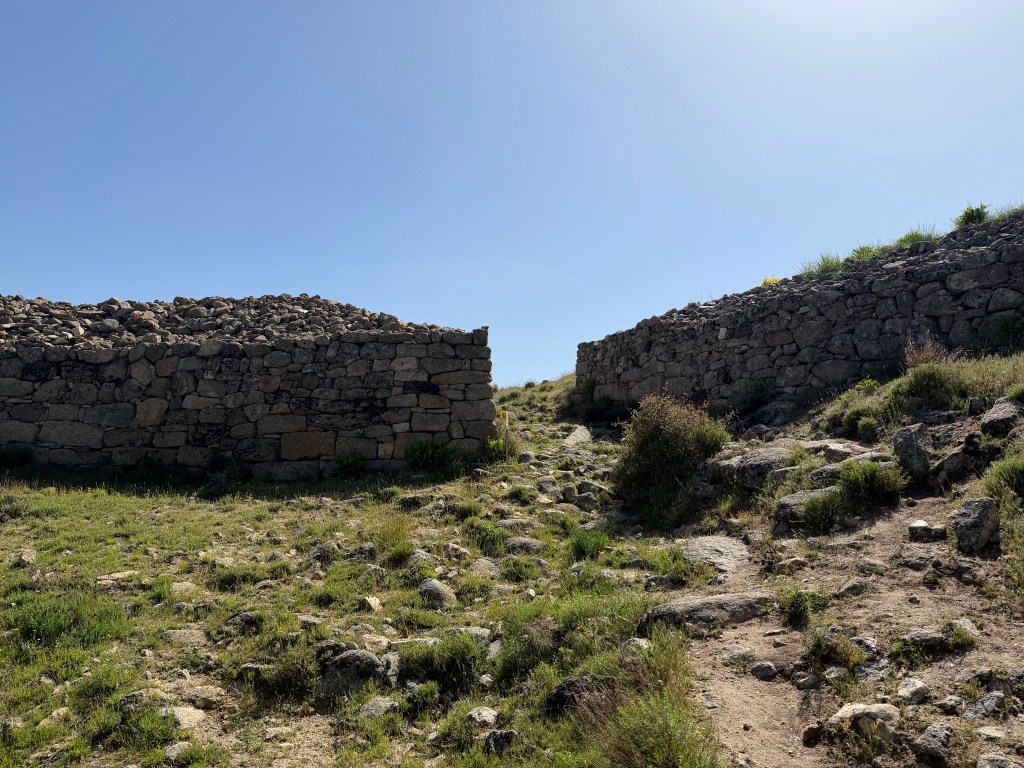
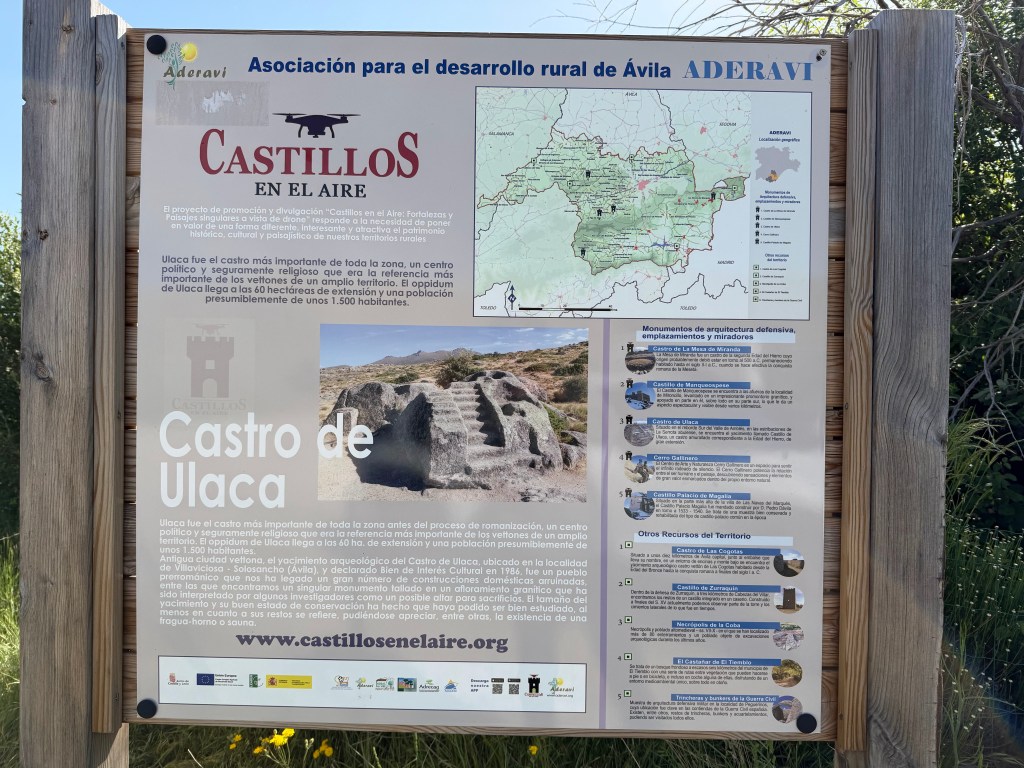
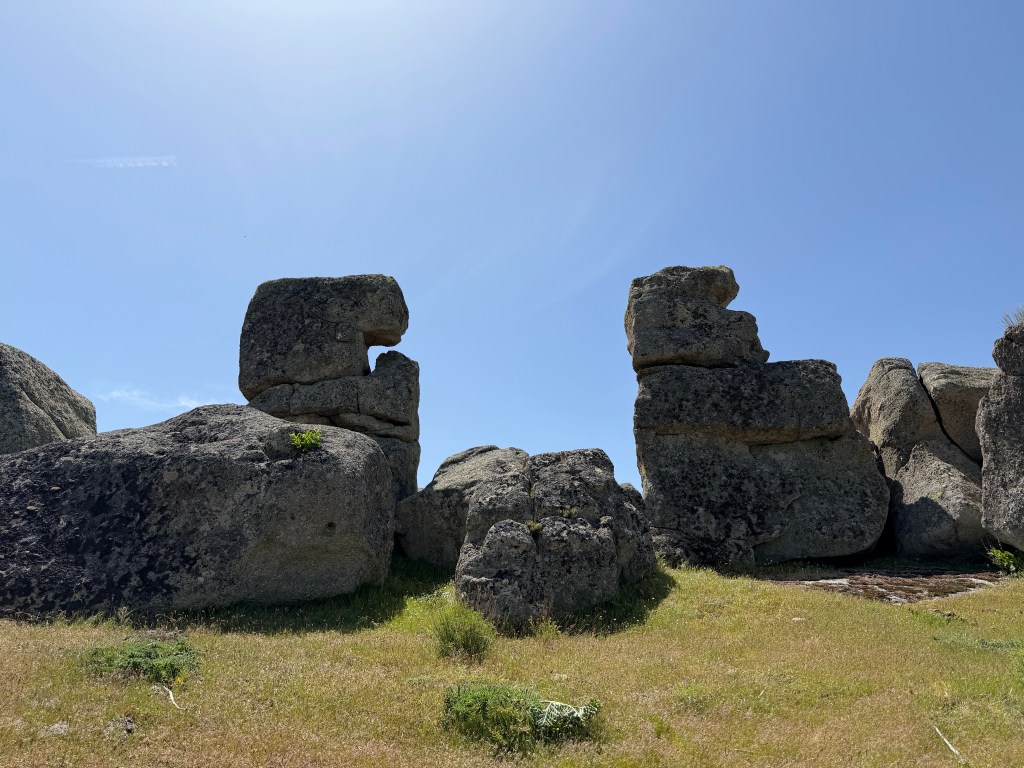
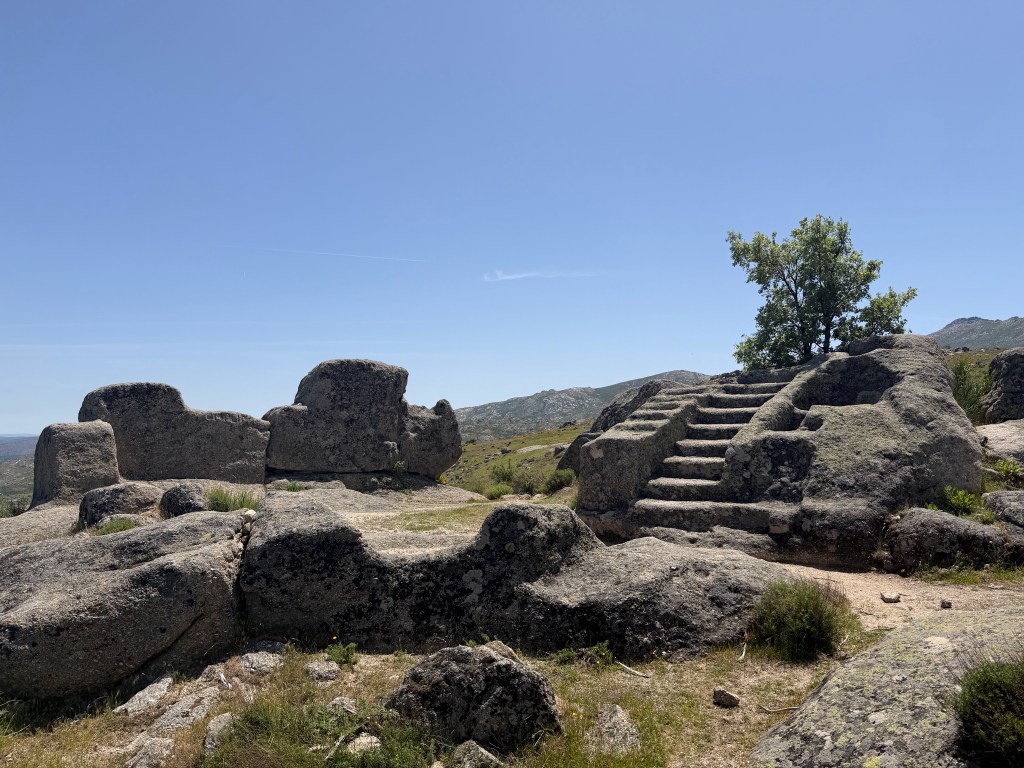
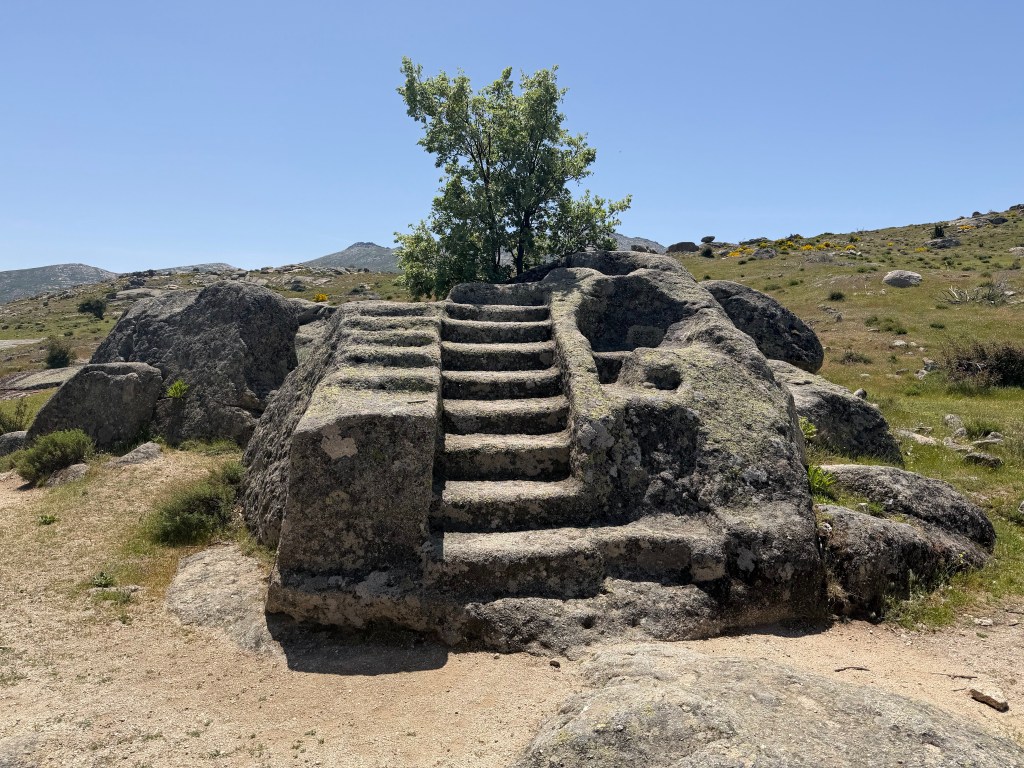
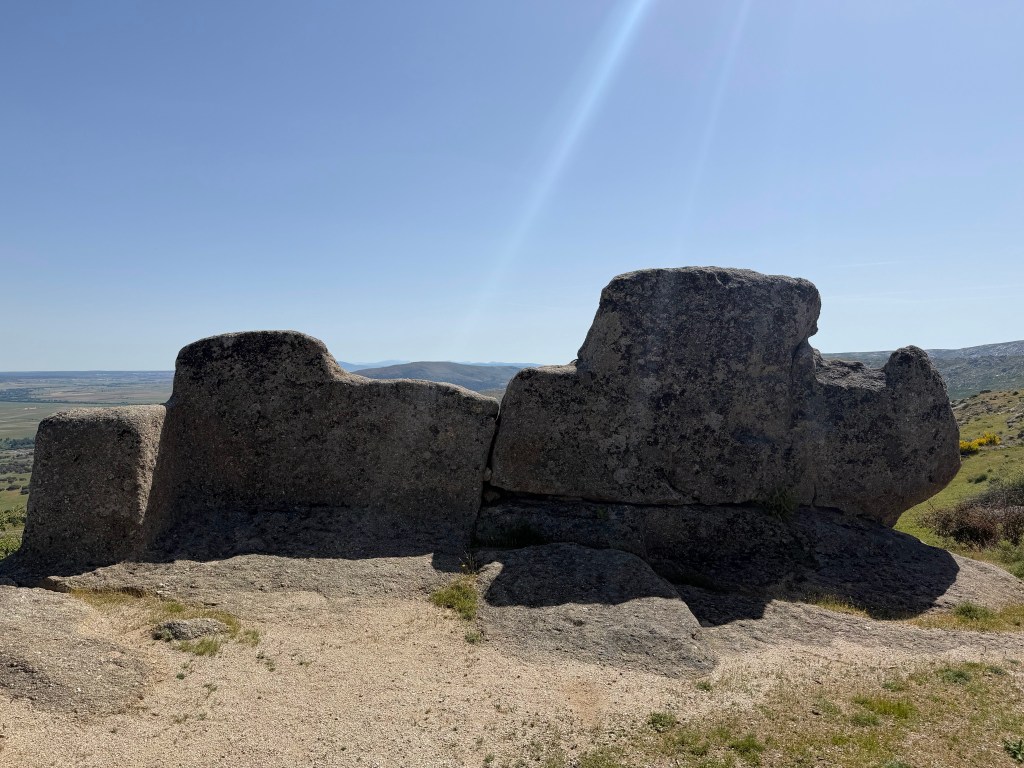
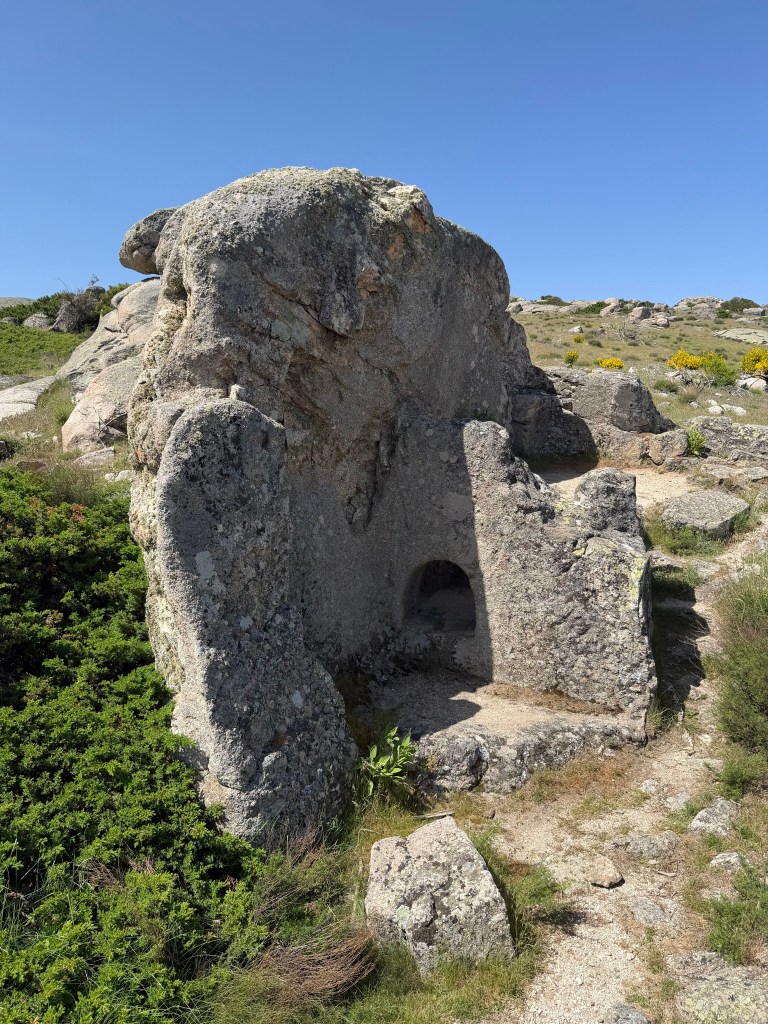
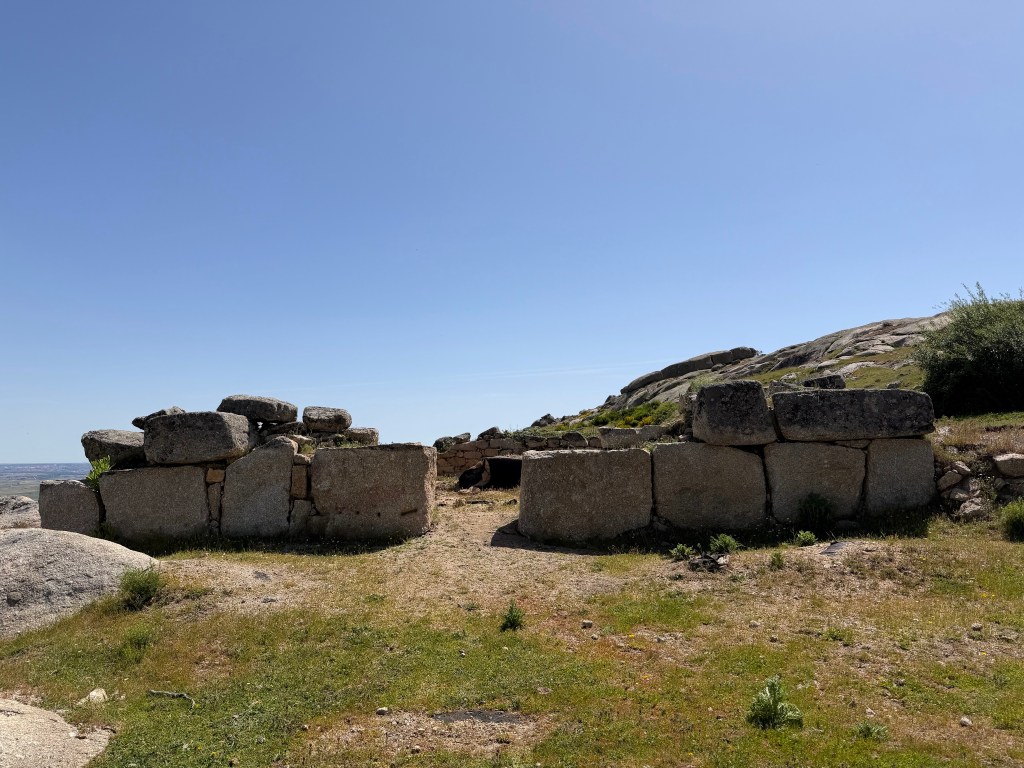
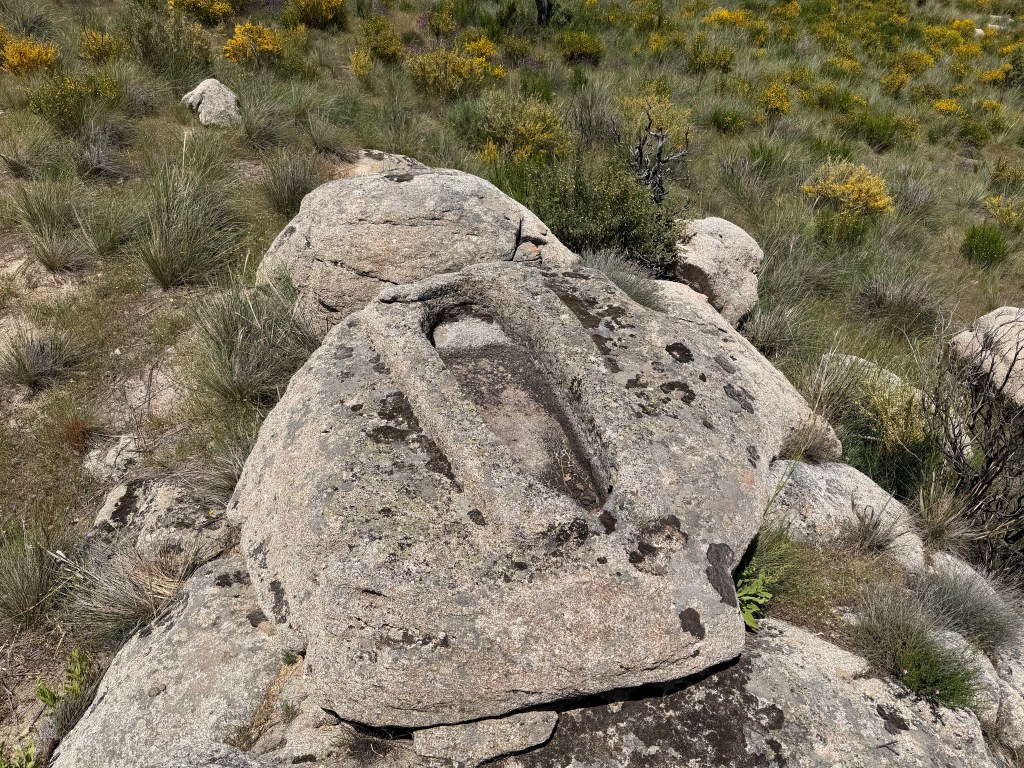
Characteristics: Ulaca is one of the largest and most impressive castros in Iberia, occupying approximately 60 hectares. The fortification system consists of poorly preserved dry-stone granite walls, generally following the natural contours of the hilltop. The circuit walls are constructed using moderate to large irregular and sub-polygonal blocks, rarely approaching cyclopean appearance in exposed sections. At intervals, remains of the ancient fortifications are broken by large outcroppings of the local granite. The site includes numerous monumental entrances, a famous rock-cut sanctuary, and numerous other Vettone era structures. Block sizes vary considerably; exposed lower courses often contain stones exceeding 1-2 meters. One particular feature of note is the the rock-cut stairway. Often described as a sacrificial altar, it sits in a generally square santuary with megalithic blocks preserved on one side. These blocks are carved to fit precisely with the bedrock and exceed any other circuit wall blocks at the site in scale. A short walk away one will find a so-called ritual sauna stone. Complete with a semicircular hole and niche, it was supposedly used to heat a room constructed above for ritualistic events. The carved hole, however, is not unique and can be seen across the Mediterranean and even as far away as Russia. Numerous sites share the same feature and are often categorized as ancient burial places. Also within the circuit walls one finds the lower courses of el Torreón. Once a rectangular building at least two stories tall, only the largest blocks remain embedded in the ground. It is still unclear what purpose it had for the Vettones. The castro’s importance largely declined after the Roman invasion starting in the 2nd century BC, and by the end of the 1st century BC it was completely abandoned. Just outside the castro grounds sits another hallmark of megalithic stonework, two rock-cut graves attributed to the Visigoths. As with many of these so called graves, the theories for their original purpose and timeline are greatly varied.
Polygonal classification: The stonework is not comparable to Lugli’s categories. The closest comparison: Type I (Cyclopean)
Attribution: The site is strongly attributed to the Vettones, a Celtic-speaking people of western-central Iberia.
Specific points to see:
- Castro de Ulaca walking path: circuit wall, rock-cut stairway and sacrificial altar, ritual sauna stone, and el Torreón
- Visigoth necropolis

