
TREGLIA
Location: Treglia, Pontelatone, Campania (Italy) — 41.2282 N, 14.2607 E
Dating: 6th-4th centuries BC
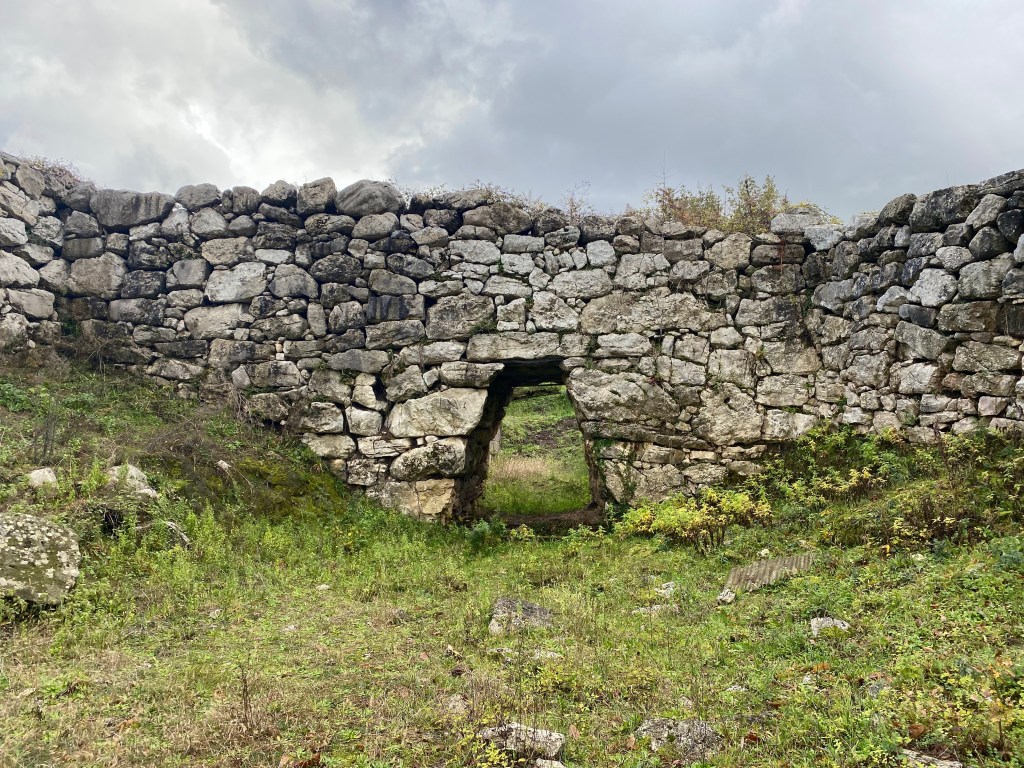
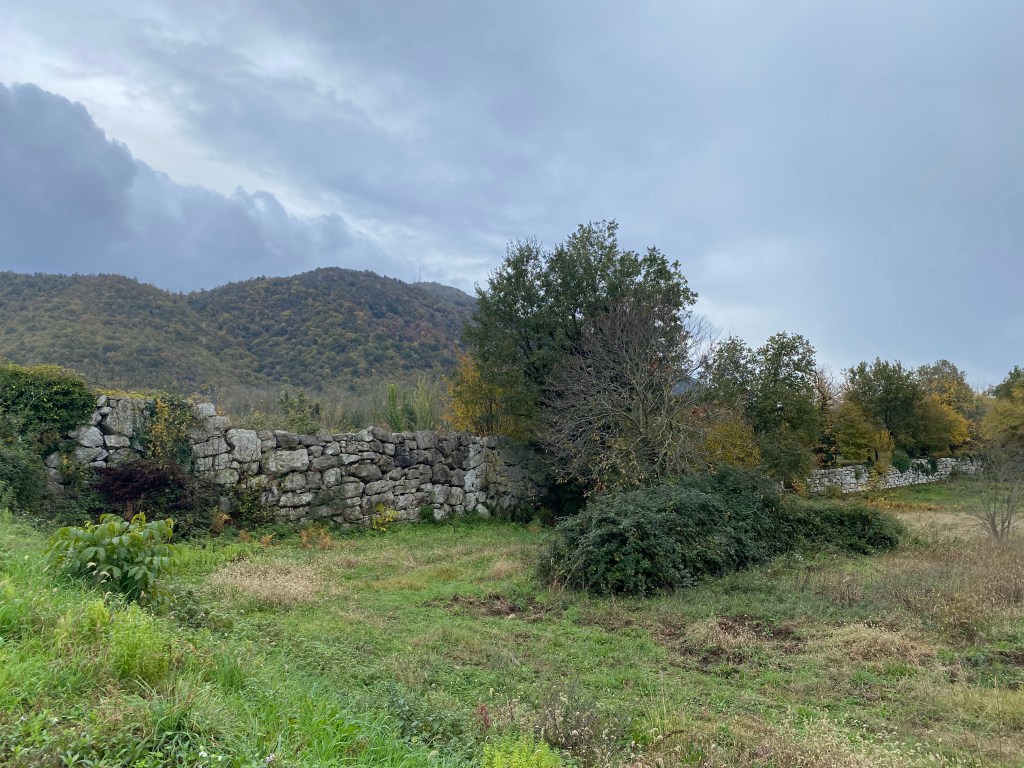
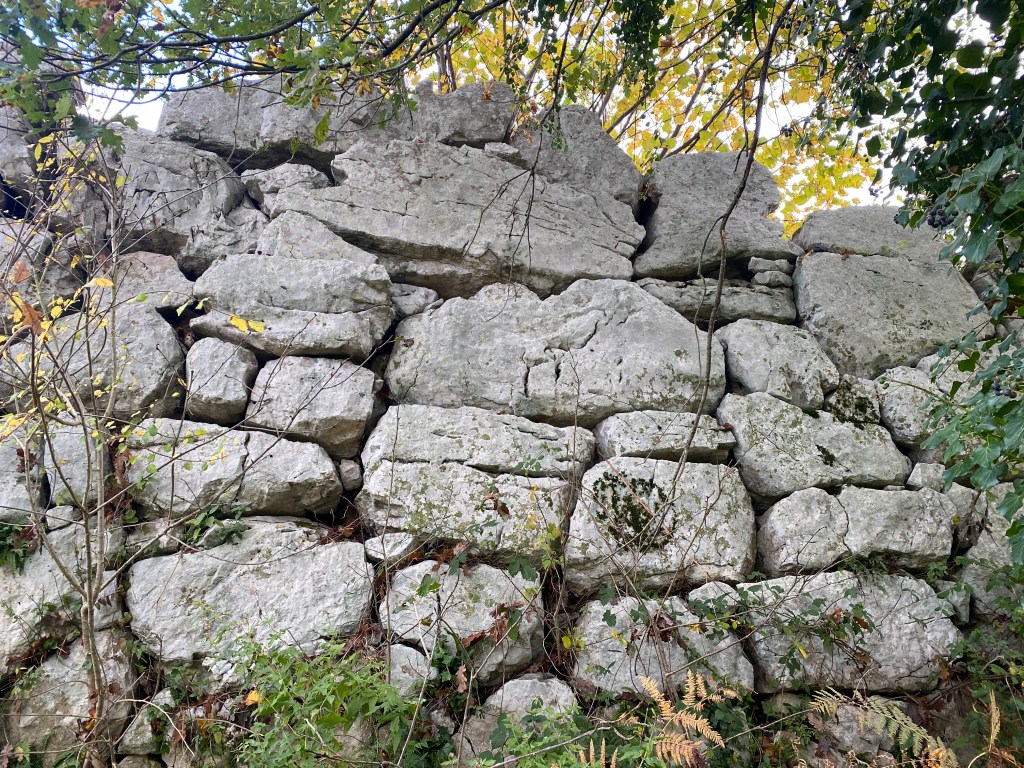
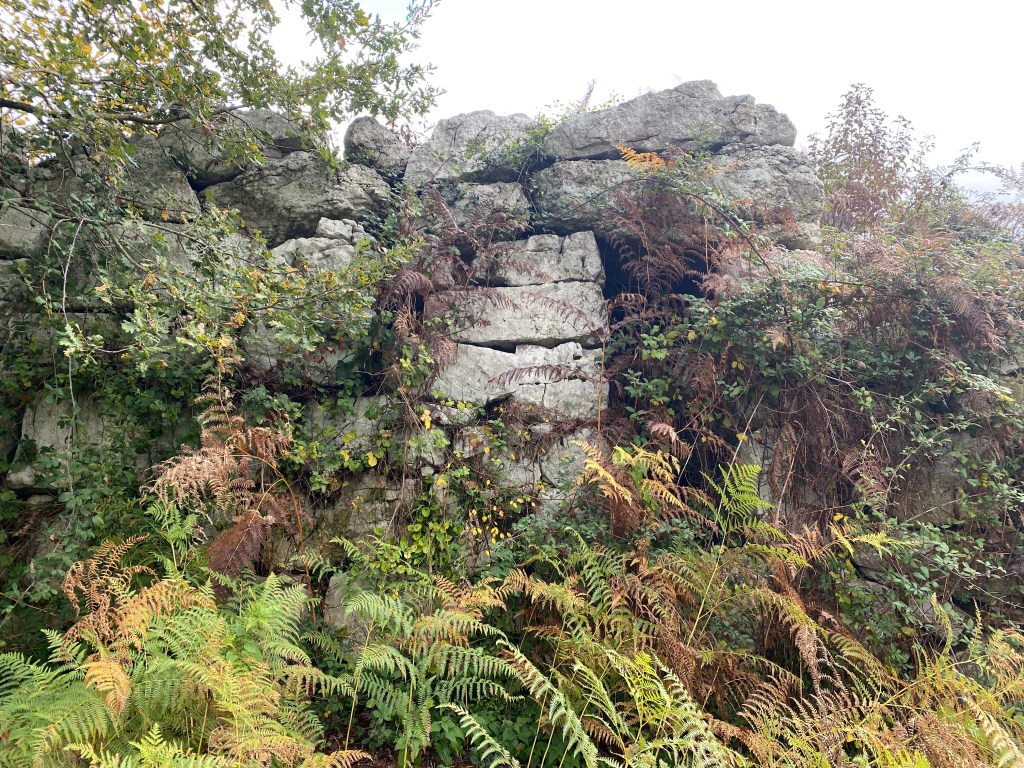
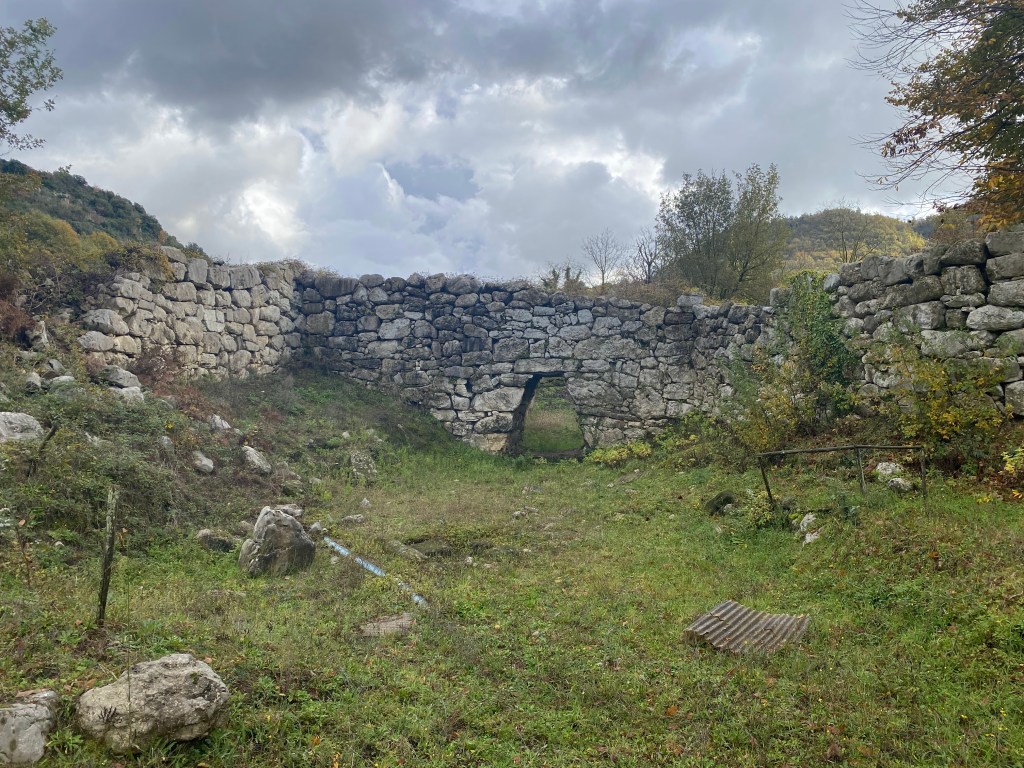
Characteristics: Trebula Baliensis preserves a stunning example of rough polygonal stonework lying between several hills near modern day Treglia. The original walls continued up into the hills and are estimated to have extended for 2.5-3 km. The stretch that remains is around a few hundred meters in length and contains many large blocks of 0.5-1 meters in length. A notable feature of the wall is an impressive megalithic gateway shaped like a reverse V with large lintels. It resembles similar polygonal gateways or bridges seen in Italy, Greece and Turkey. Covered by plant overgrowth, one can also see a small postern gate further down the wall. The site is especially interesting because it represents an example of polygonal masonry rivaling those of Latium and Etrutria and shows just how widespread this type of stonework was among diverse Italic peoples.
Polygonal classification: Types I-II (Lugli)
Attribution: The polygonal wall is attributed to the Sidicini or closely related Samnite populations of inland Campania before Roman control in the 3rd century BC.
Specific points to see:
- …
 Minutiae