
TONGOBRIGA
Location: Freixo, Porto (Portugal) — 41.1618 N, 8.1472 W
Dating: 9th-1st centuries BC (Castro culture); 1st century BC – 4th century AD (Roman period)
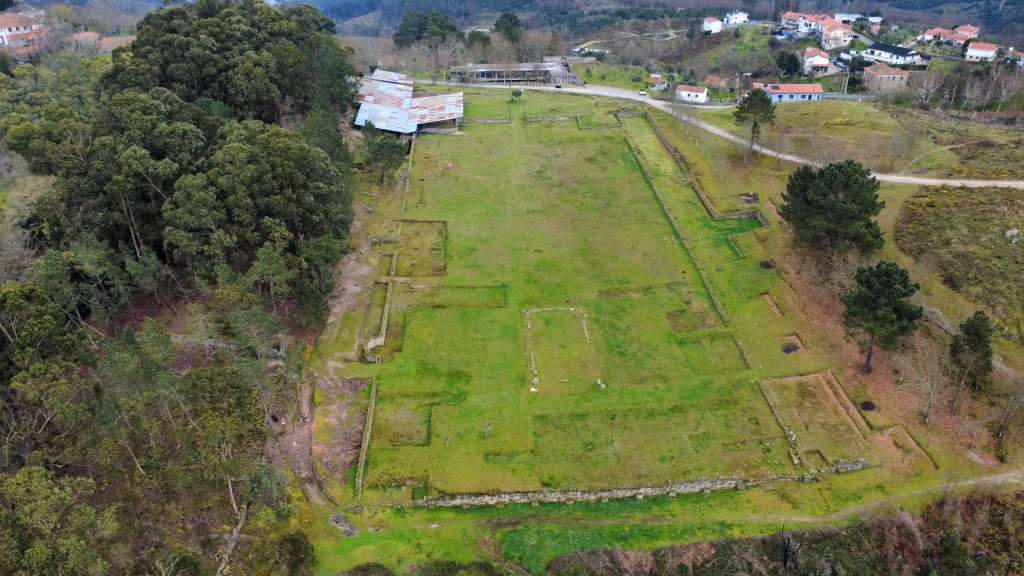
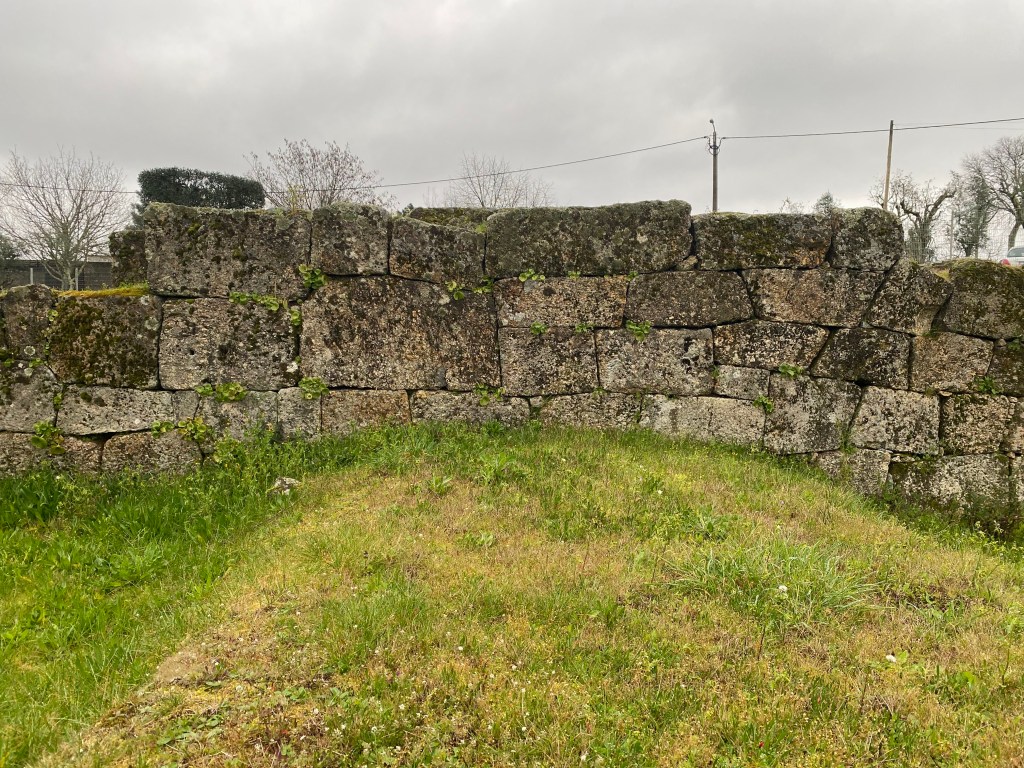
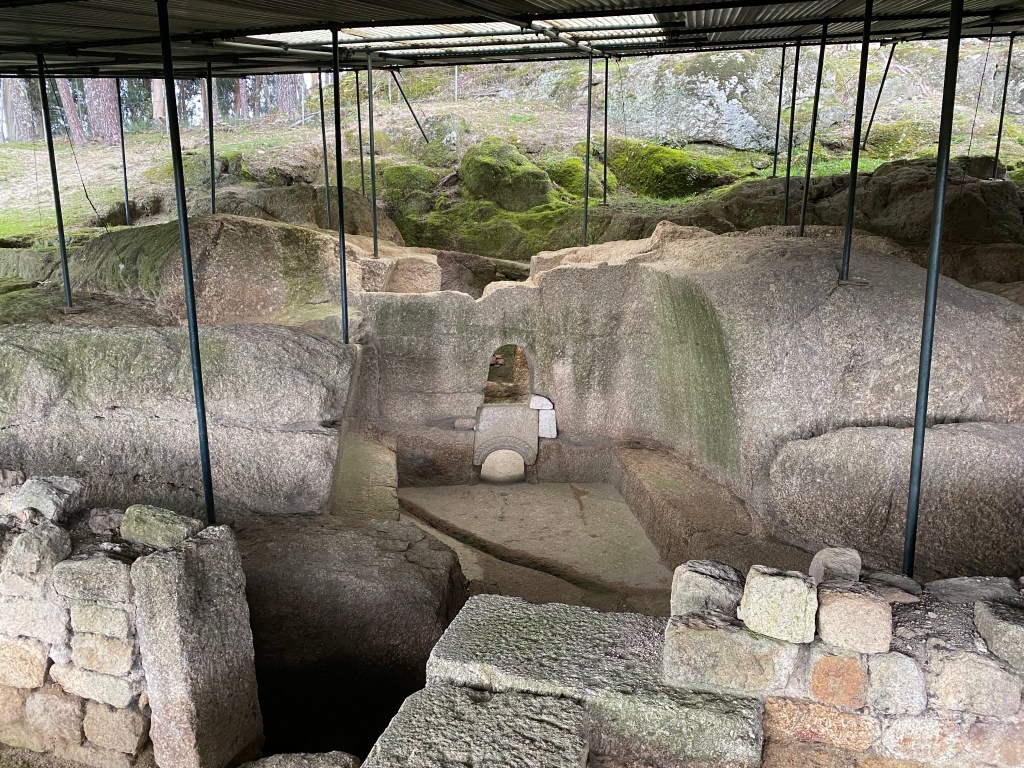
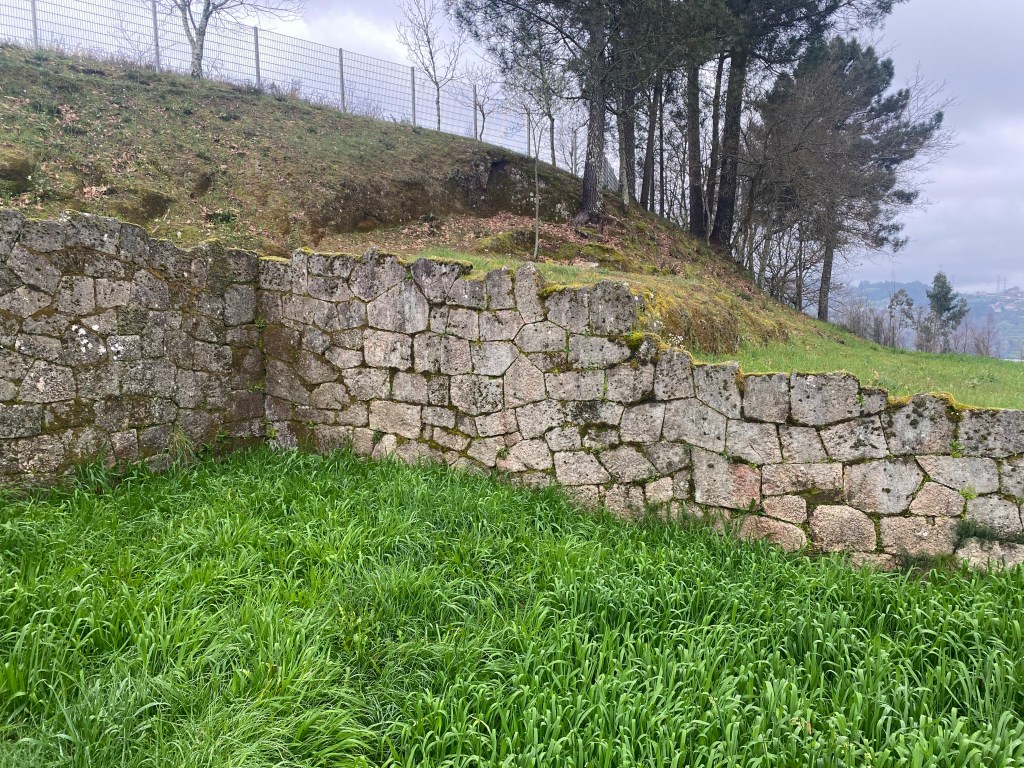
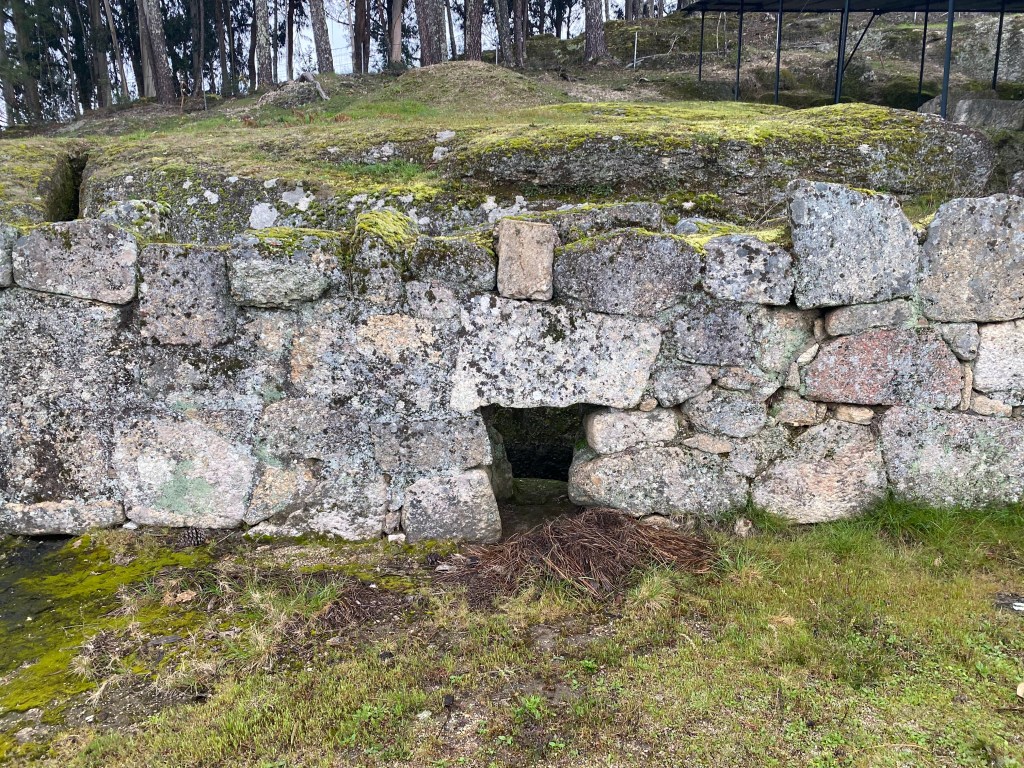
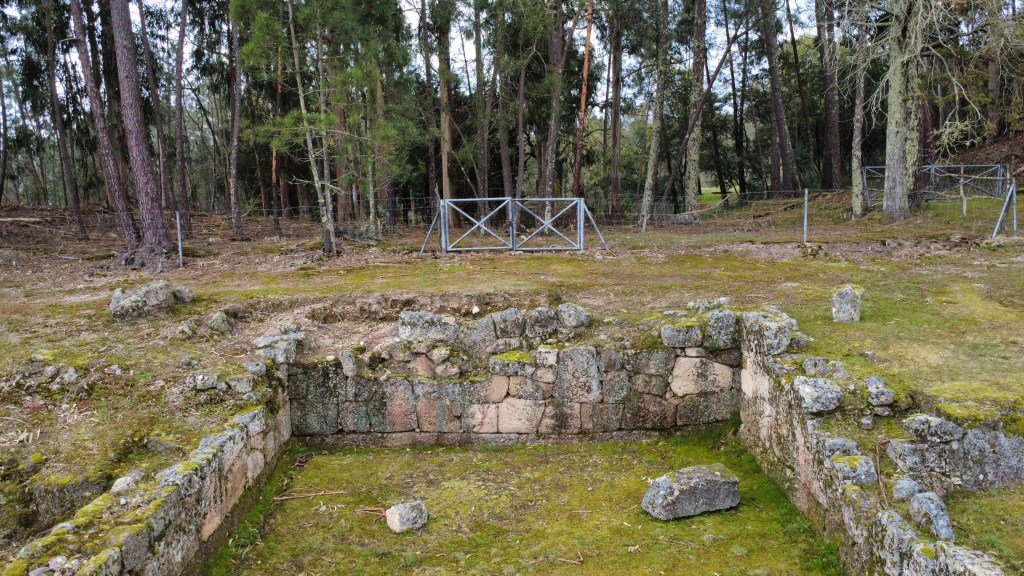
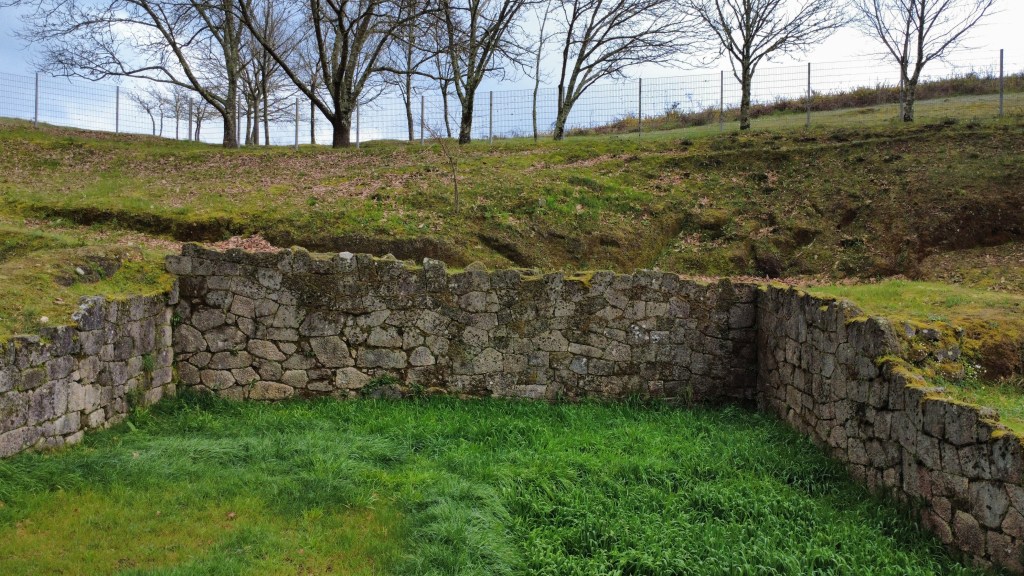
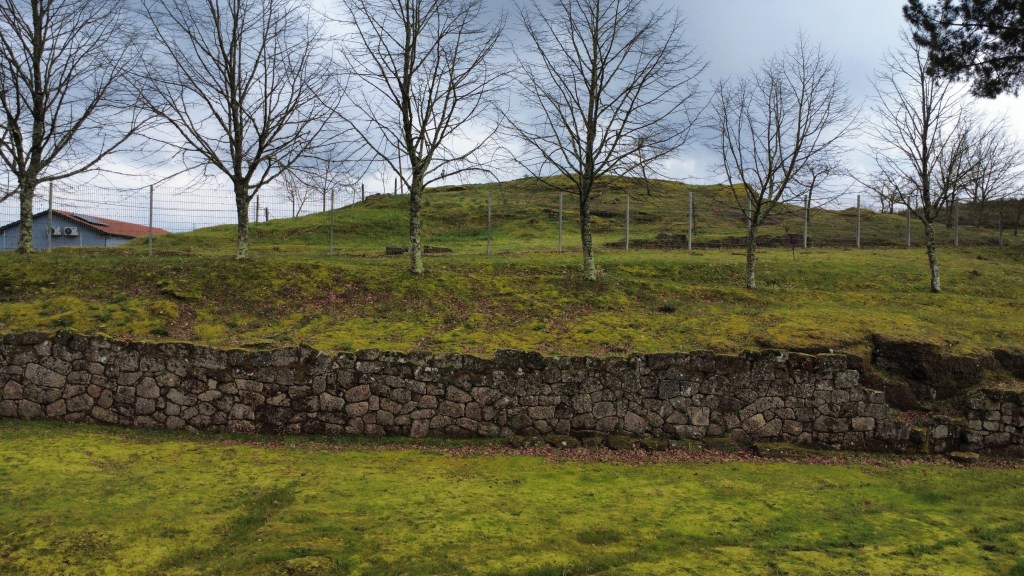
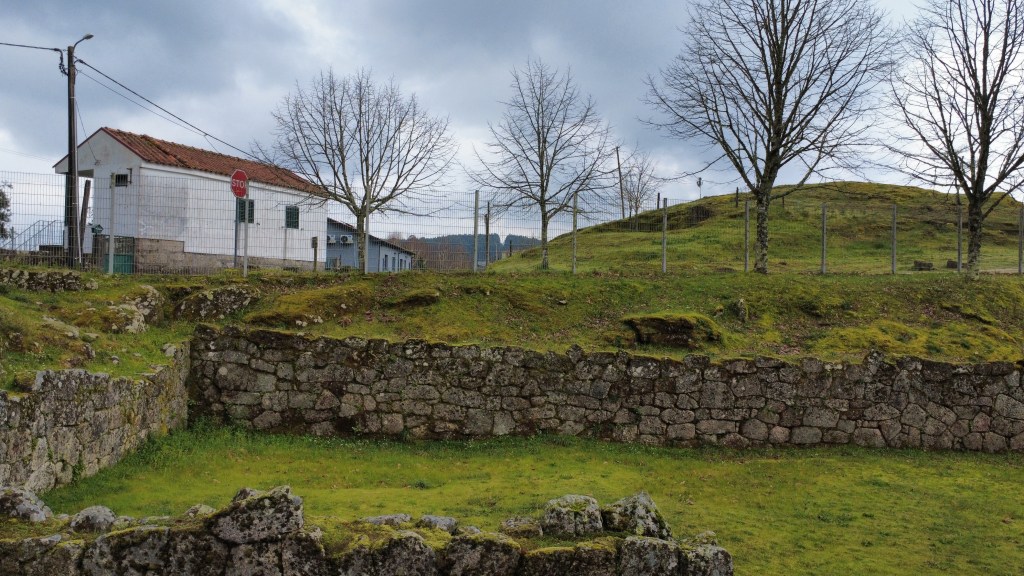
Characteristics: Tongobriga examplifies the link between Castro culture peoples of ancient Lusitania and the tireless march of Roman influence. Having been a Castro settlement since at least the early Iron Age, the future of the locals was forever changed with the arrival of the Romans. Their conquest slowly swallowed the penninsula and countless hillforts like Tongobriga. Unlike the majority of others which failed to maintain their use and importance, Tongobriga became a Roman center in the region and adopted many of its customs and architecture. Despite this transition, the site still contains many examples of polygonal stonework typical of the region’s indomitable tribes. Later Roman construction used mortar and more rectangular granite blocks. One might question why such a site was valuable to the Romans in the first place. What made it stand out compared to similar regional sites? Was it the hilltop location? Its strategic location? Access to water or other resources? One particular aspect of the site could provide more insight. The temple and bath complex area contain a rock-cut tomb similar to those seen in Sardinia and other sites in eastern Europe and Russia. Its origin is most likely not Roman (although repurposed by them). The polygonal blocks running along the ancient forum are smaller than many sites across the Mediterranean but no less intricate in their joinery. Tongobriga may have represented a polygonal stronghold with mysterious stone structures that commmanded power in the region, thus making it an attractive site for Roman occupation to take hold.
Polygonal classification: Castro culture stonework most similar to Types I-II (Lugli)
Attribution: The site is originally attributed to the Castro culture populations of northwestern Iberia before a Roman municipium was integrated into the provincial network of Lusitania after the 1st century BC. The polygonal walls are likely pre-Roman constructions while granite and mortar were used in Roman building thereafter.
Specific points to see:
- Tongobriga-Freixo Archaeological Area
 Minutiae