
TERRACINA
Location: Terracina, Lazio (Italy) — 41.2904 N, 13.2487 E
Dating: 5th-3rd centuries BC
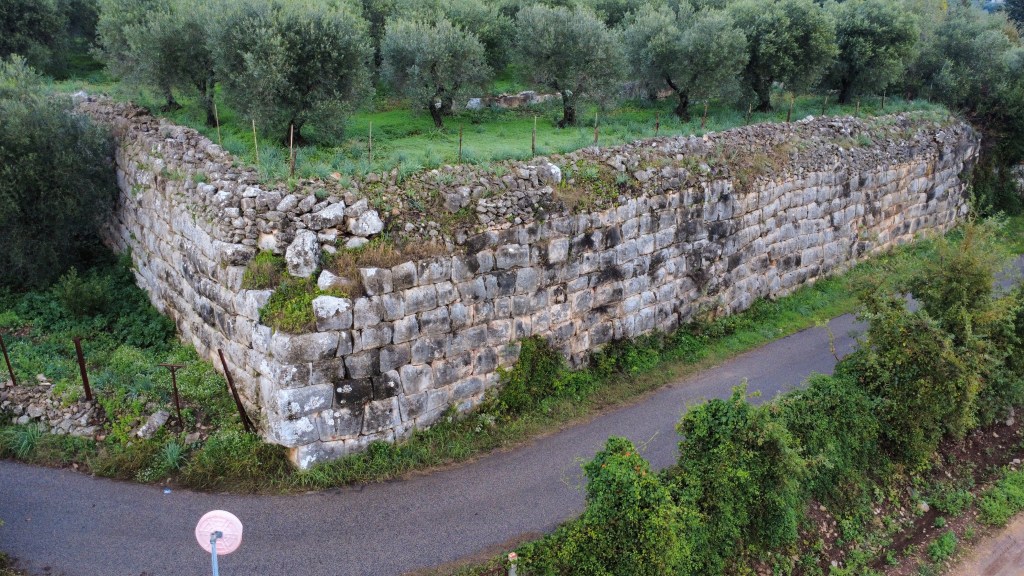
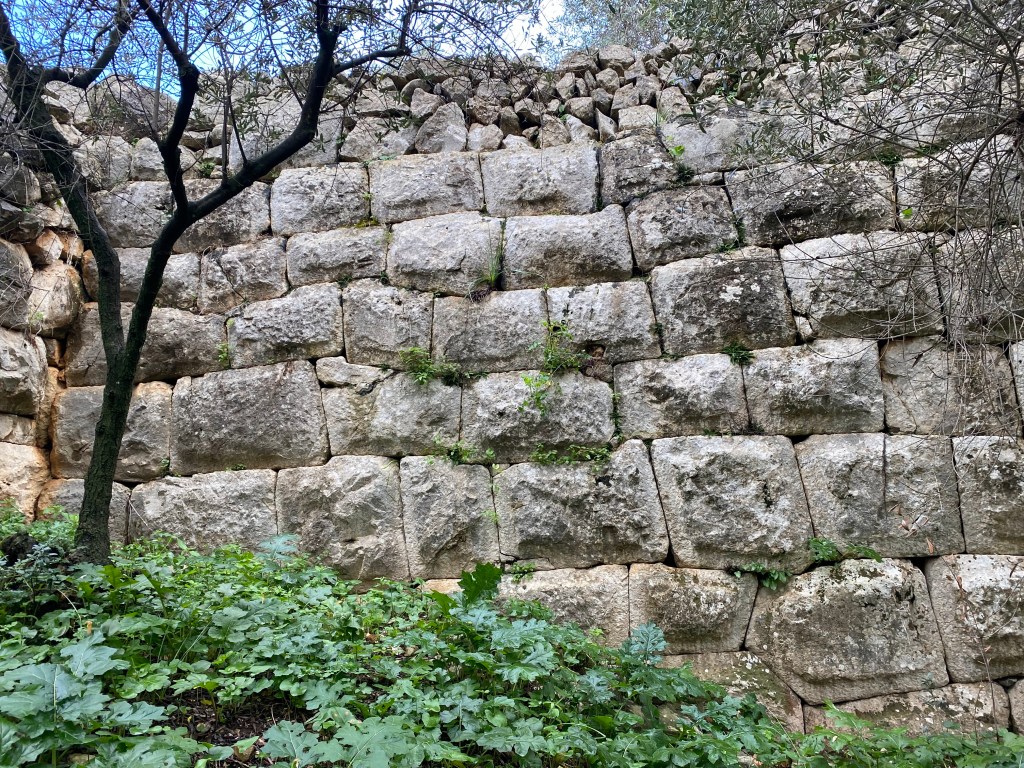
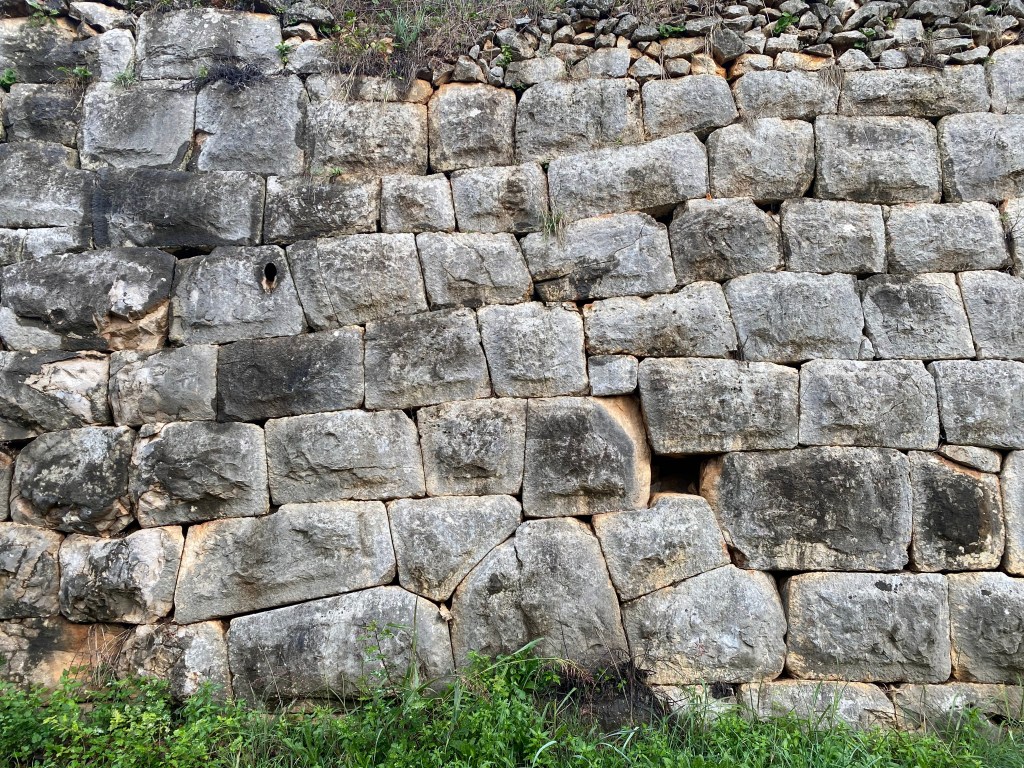
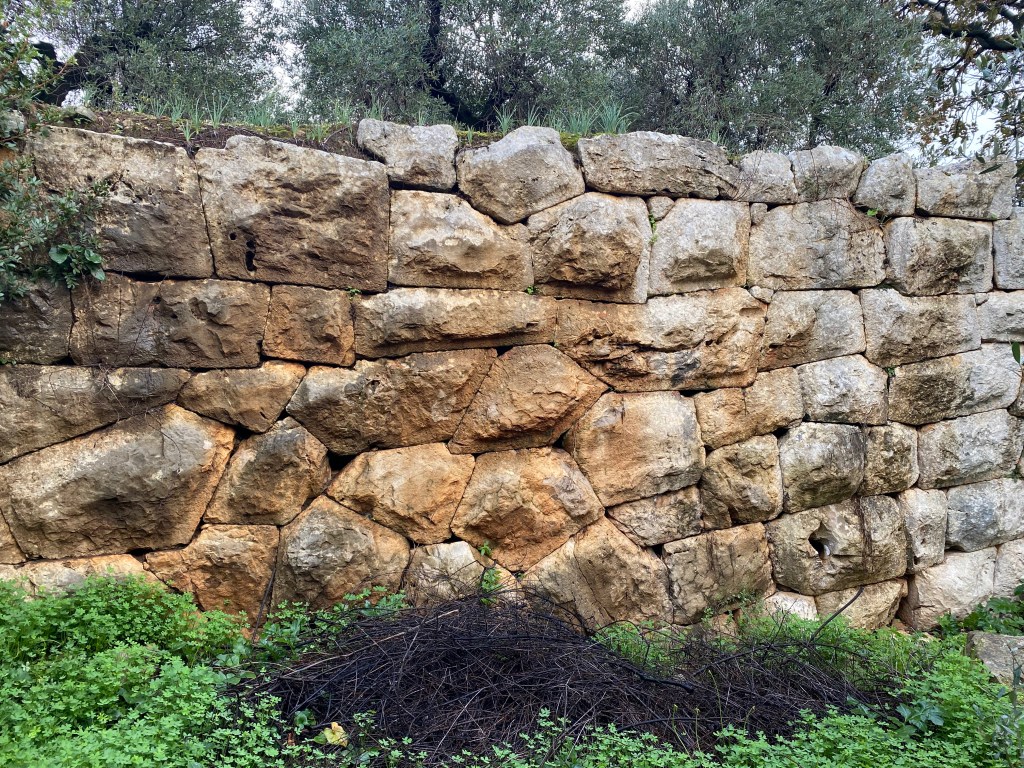
Characteristics: Numerous fragmentary remains of polygonal retaining walls can be found on elevated terrain between the Tyrrhenian coast and Via Appia corridor. In some cases, the masonry appears to function primarily as terracing support, rather than a clearly preserved defensive circuit. Terracina’s ancient center (originally known as Anxur) contains numerous polygonal stretches which were later incorporated into the Roman and modern city. In contrast, the impressive Temple of Jupiter Anxur overlooking the city from Monte Sant’Angelo was made almost entirely of Roman opus incertum. The Roman temple which was later destroyed after the empire’s decline is said to have been built over an even older cult site important to the Volsci. The lower terracing and slope displays just a handful of megalithic stonework sections which may have been a part of this older complex. Within a 10 minute drive of the modern city, one can also find a few polygonal walls. One in particular, Tempio a Monticchio, still preserves an almost entirely intact platform of precision fitted polygonal blocks of Lugli’s fourth type. Reused during Roman times and now sitting on private property, the original purpose of the polygonal terracing is unclear.
Polygonal classification: Types I-IV (Lugli)
Attribution: The various polygonal sites are attributed to pre-Roman peoples, most likely being the Volsci.
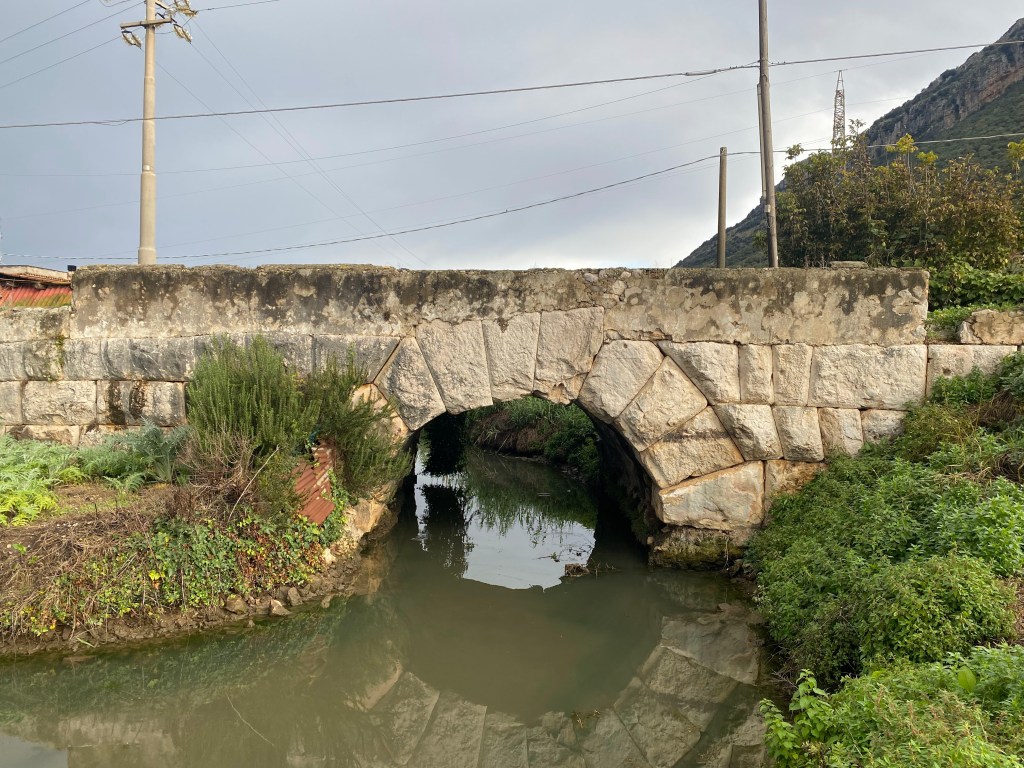
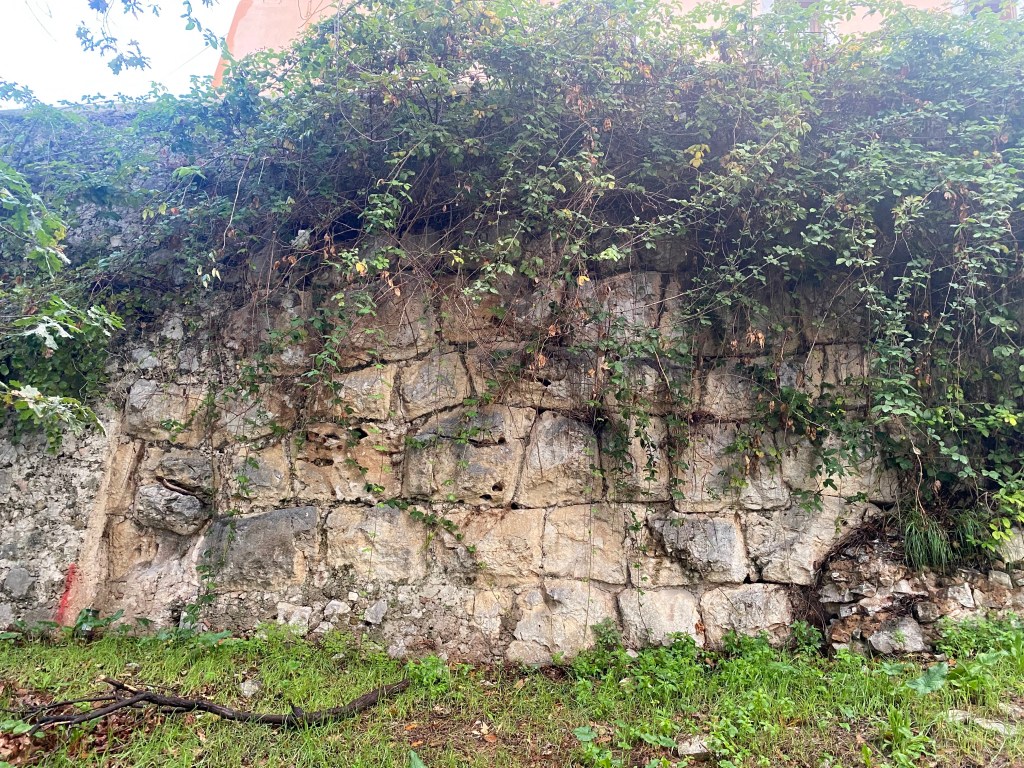
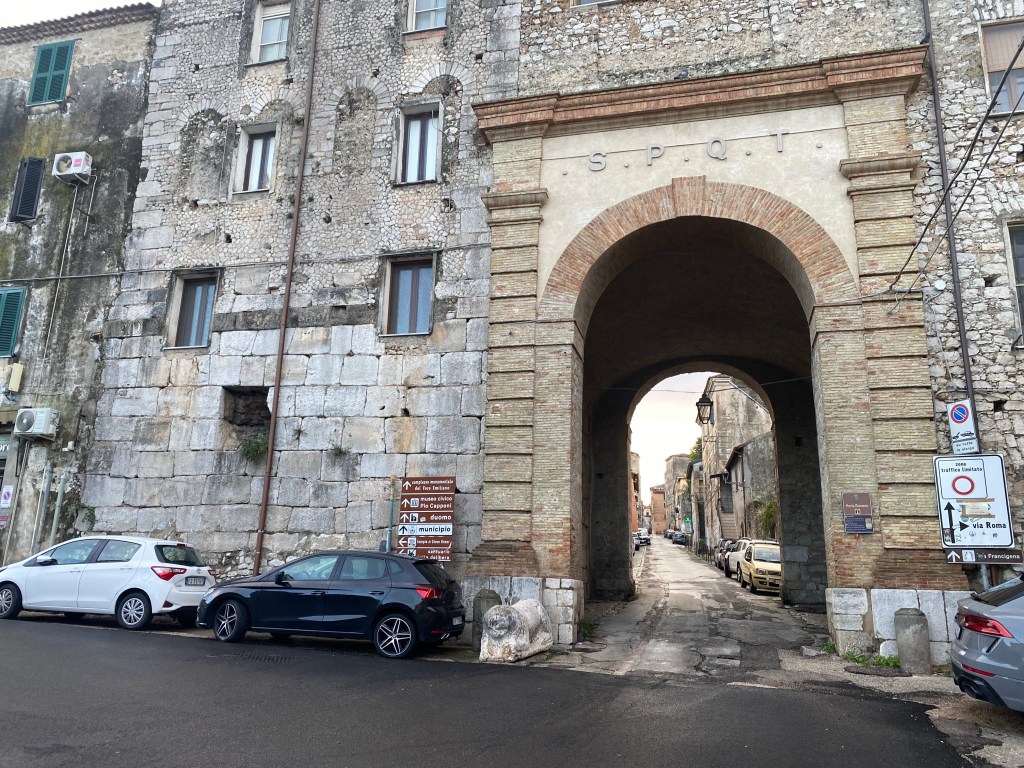
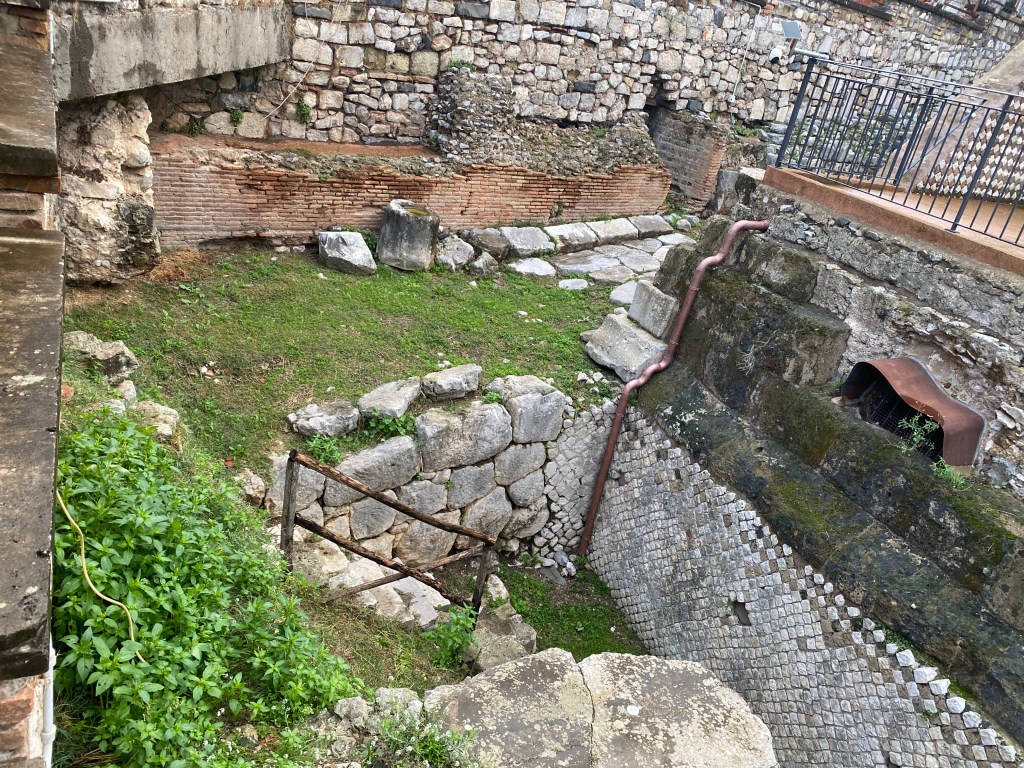
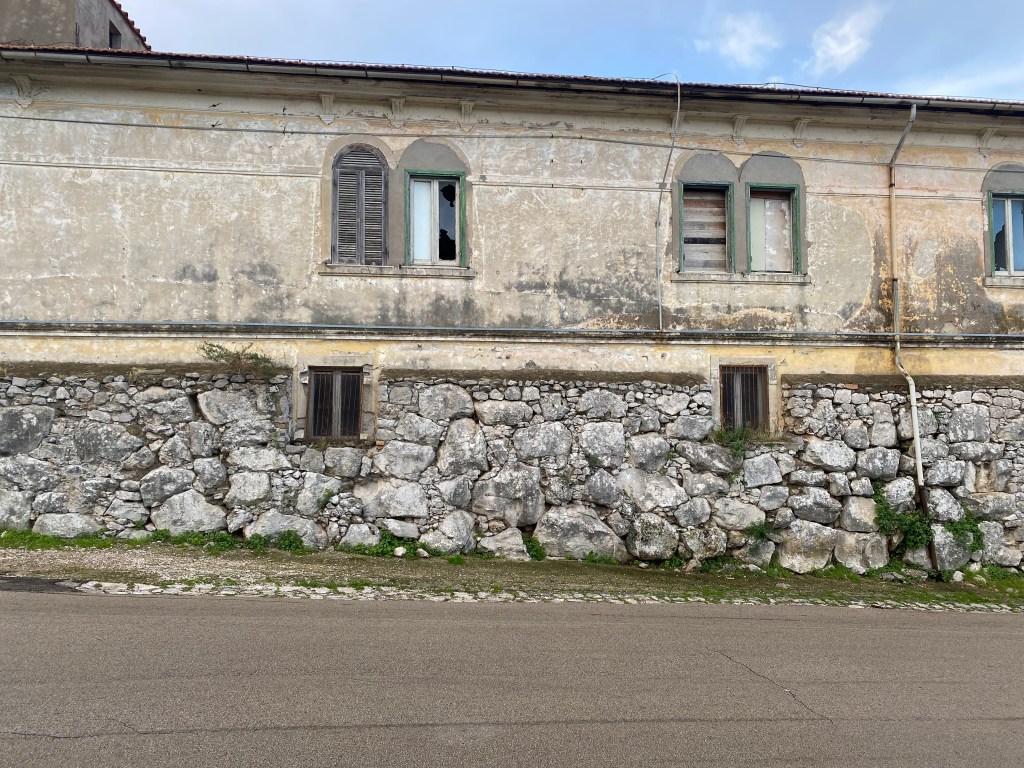
Specific points to see:
- Via Posterula
- Via Anxur
- Porta Romana and Corso Anita Garibaldi
- Terracina Capitolium
- Temple of Jupiter Anxur
- Tempio a Monticchio (Str. Briccicheto)
- Via Salissano
- Via Pontalto
 Minutiae