
SPOLETO
Location: Spoleto, Umbria (Italy) — 42.7390 N, 12.7367 E
Dating: 5th–4th centuries BC
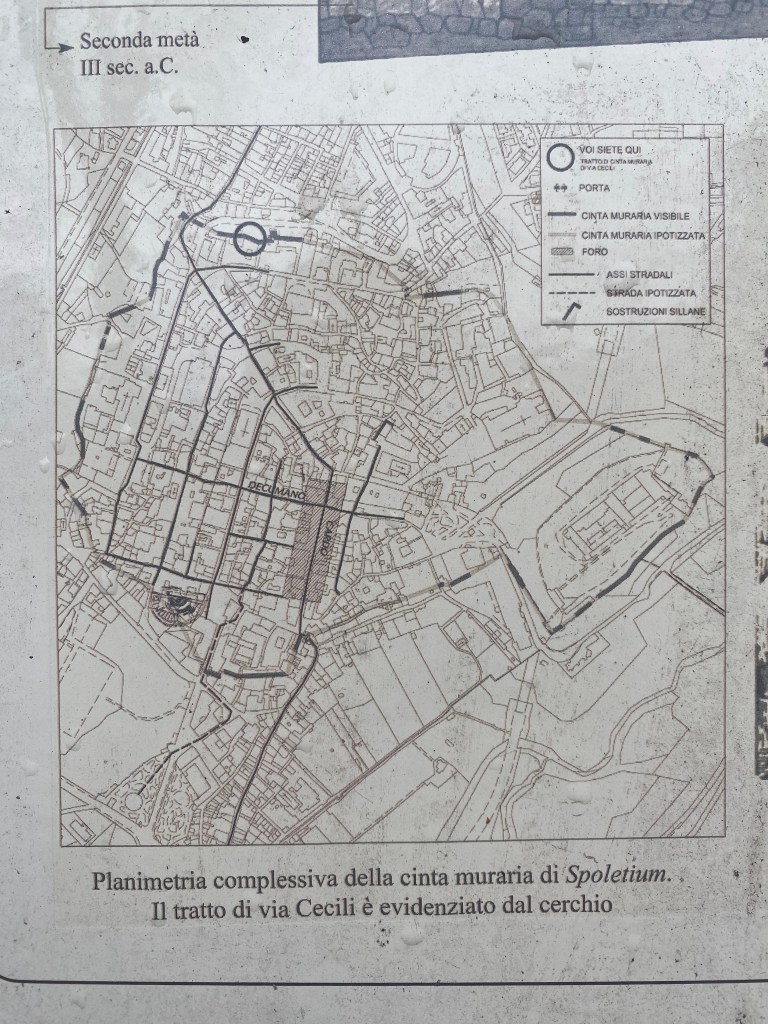
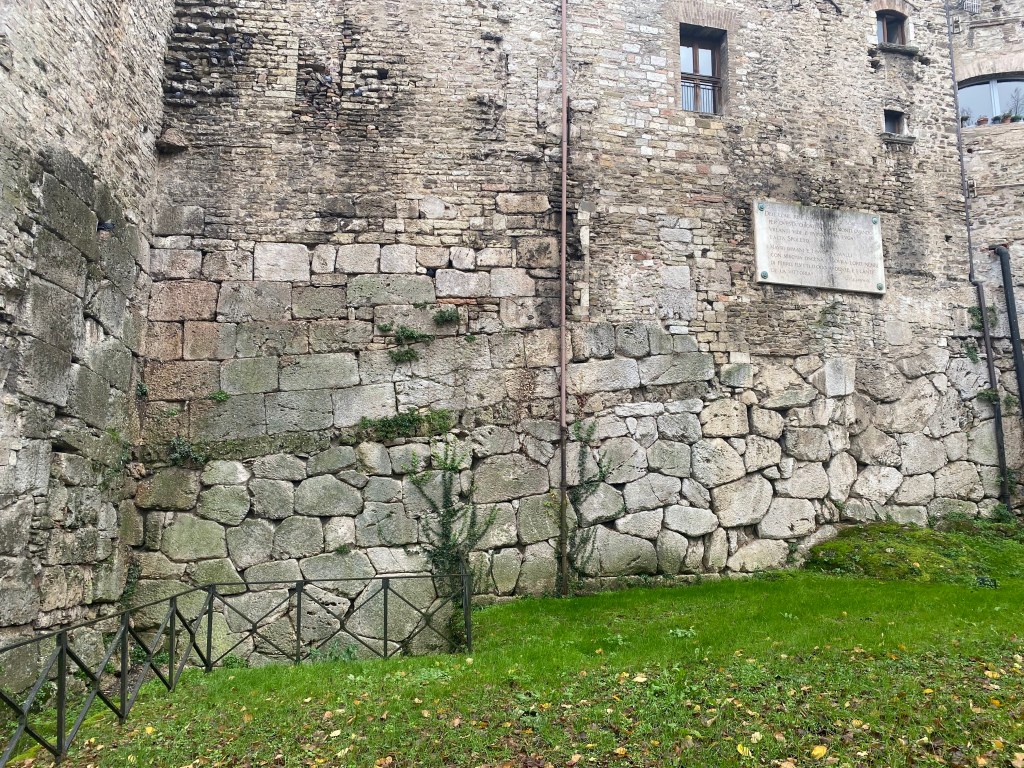
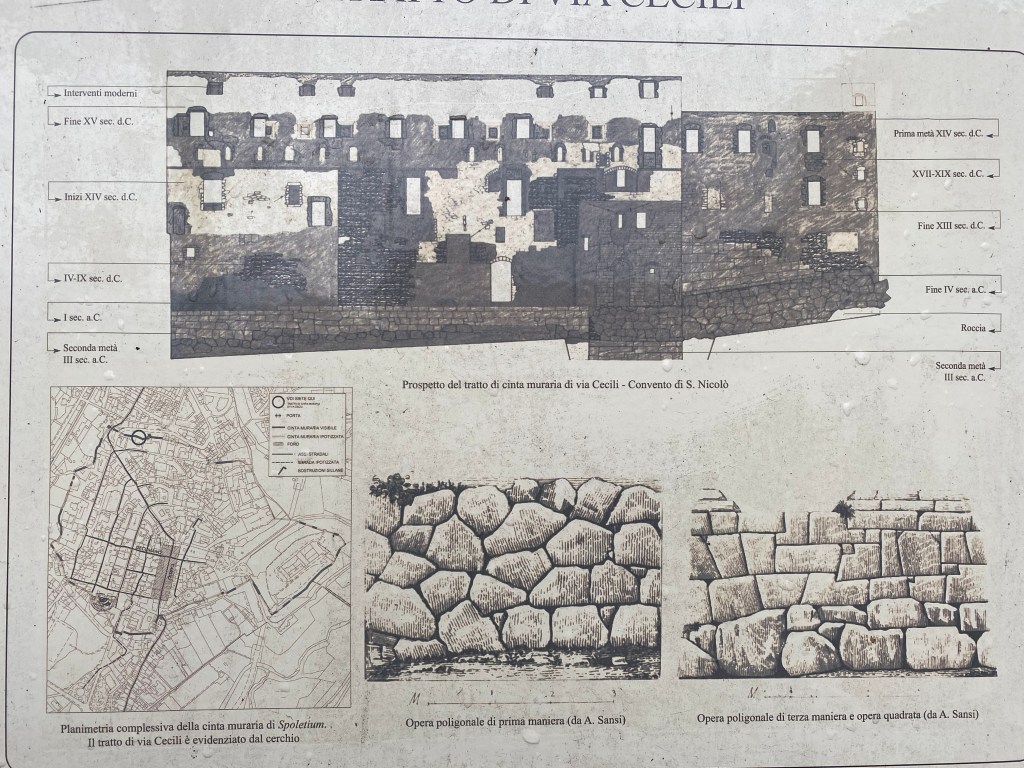
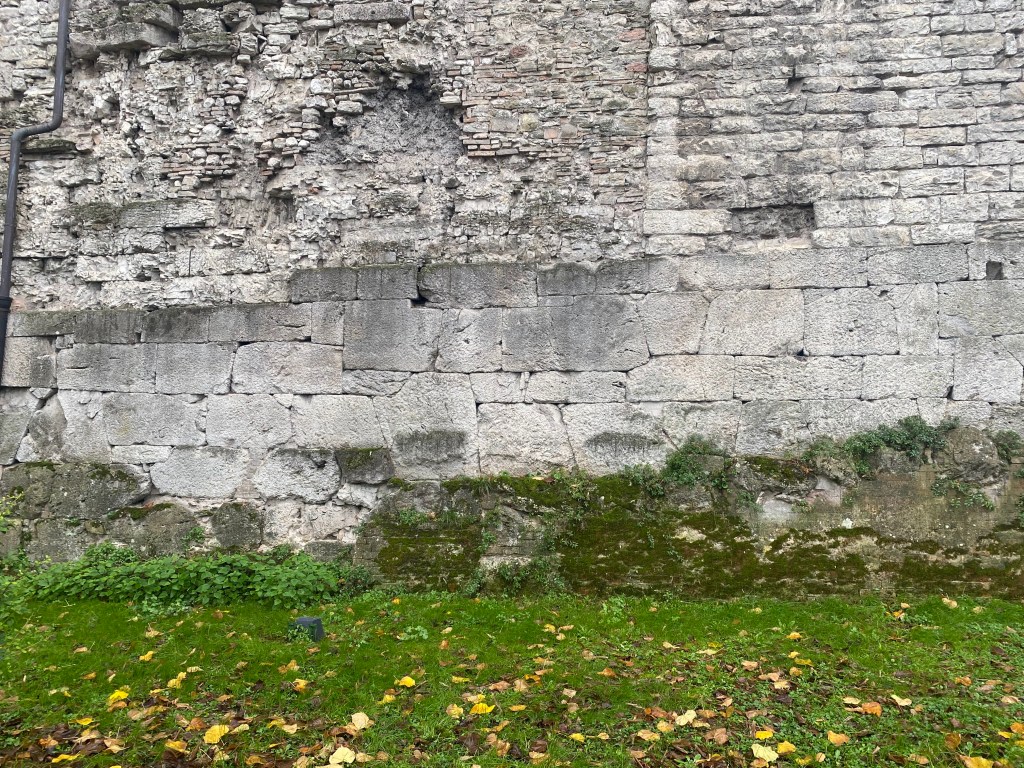
Characteristics: Spoleto preserves numerous sections of polygonal walls that demonstrate a significant pre-Roman hilltop settlement. After Roman colonization, the polygonal walls underwent a series of modifications and repairs; however, it is still unclear to what degree the more precise polygonal sections are attributable to the Romans. What is clearly Roman are opus quadratum blocks usually seen overtop of polygonal foundations. The entire polygonal circuit is estimated to be over 2 km in length, but today, only a few sections can be seen throughout Spoleto’s old town.
Polygonal classification: Types II-III (Lugli)
Attribution: The site is attributed to the Umbrians, a pre-Roman Italic population of the region. The polygonal fortifications predate the Roman colony of Spoletium (241 BC), though the Romans later repaired and integrated the earlier walls into their defensive system.
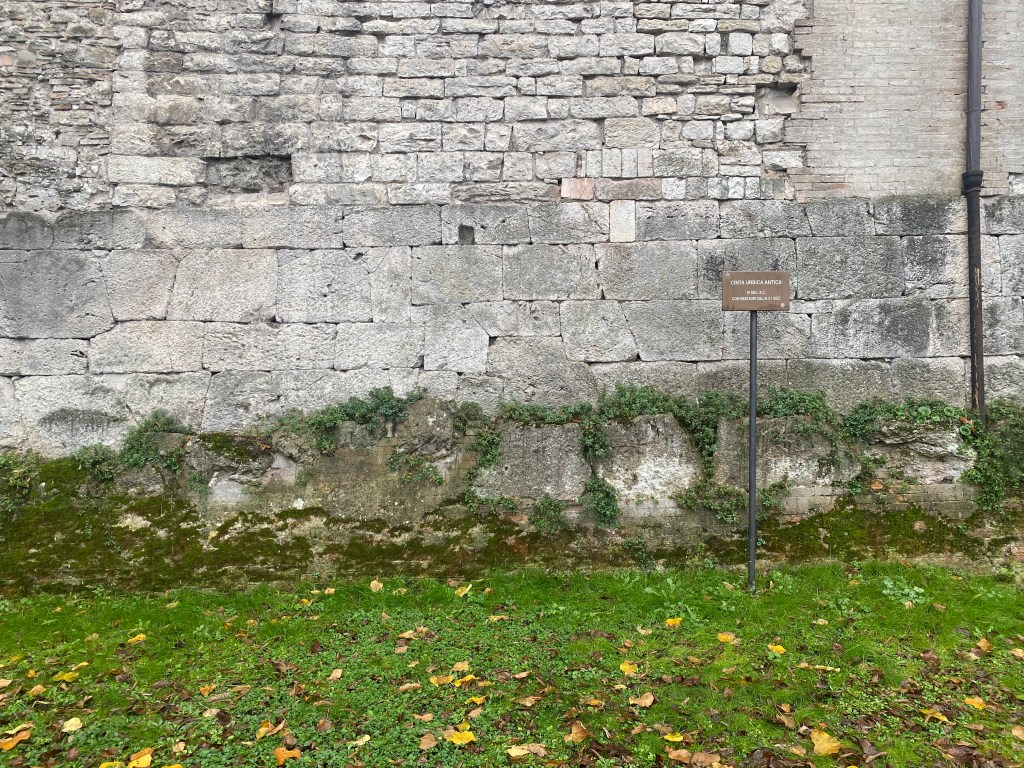
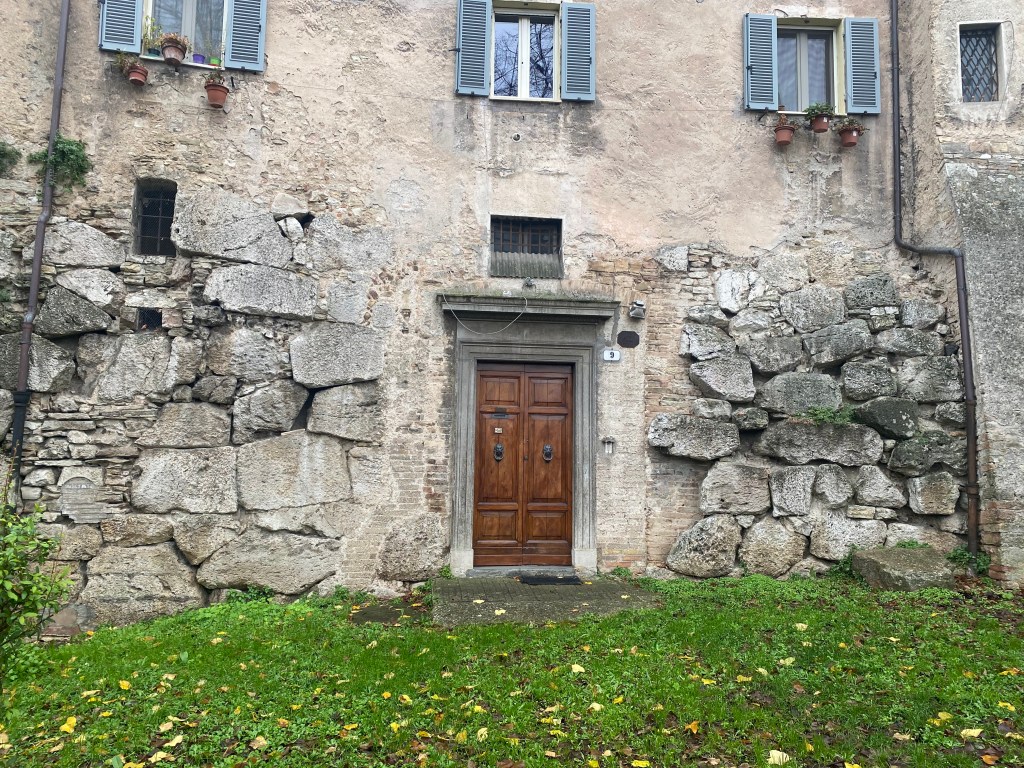
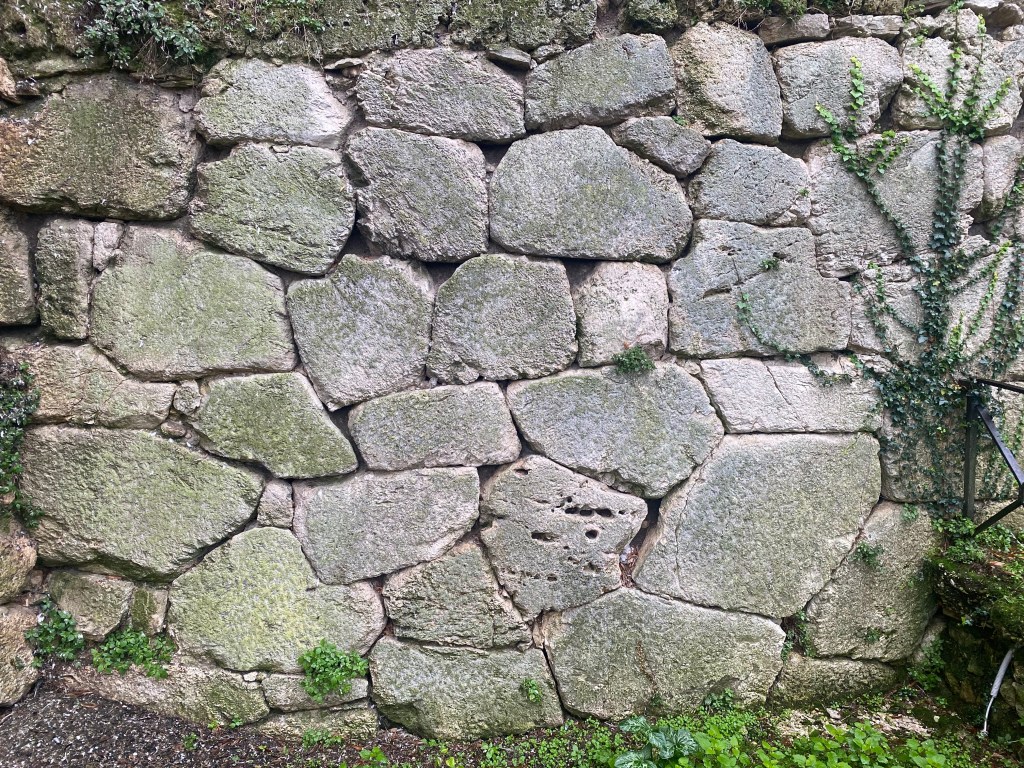
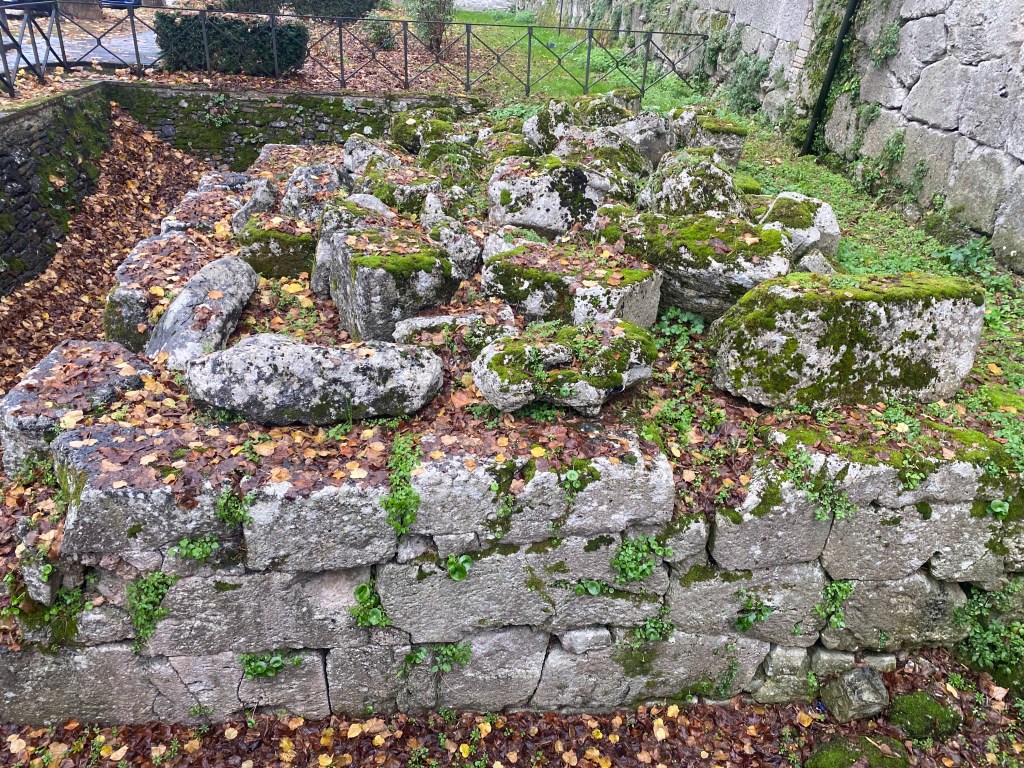
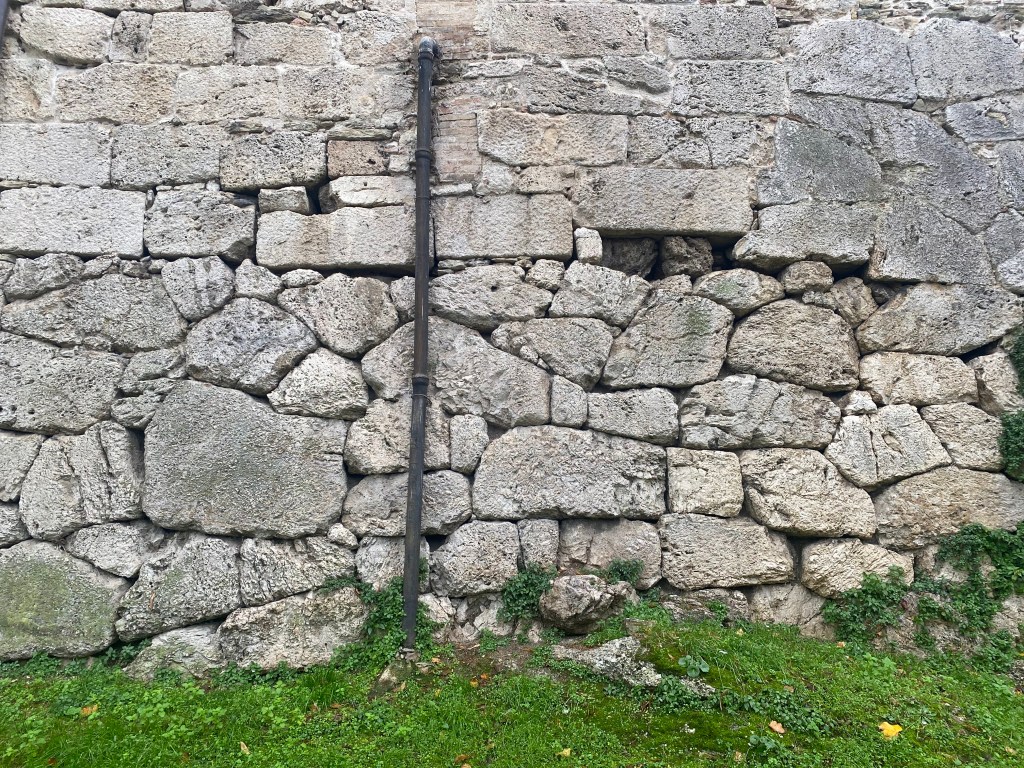
Specific points to see:
- Via Saccoccio Cecilia
- Via del Ponte
 Minutiae