
SEZZE
Location: Sezze, Lazio (Italy) — 41.4994 N, 13.0618 E
Dating: 6th–4th centuries BC with Roman refurbishment after 382 BC
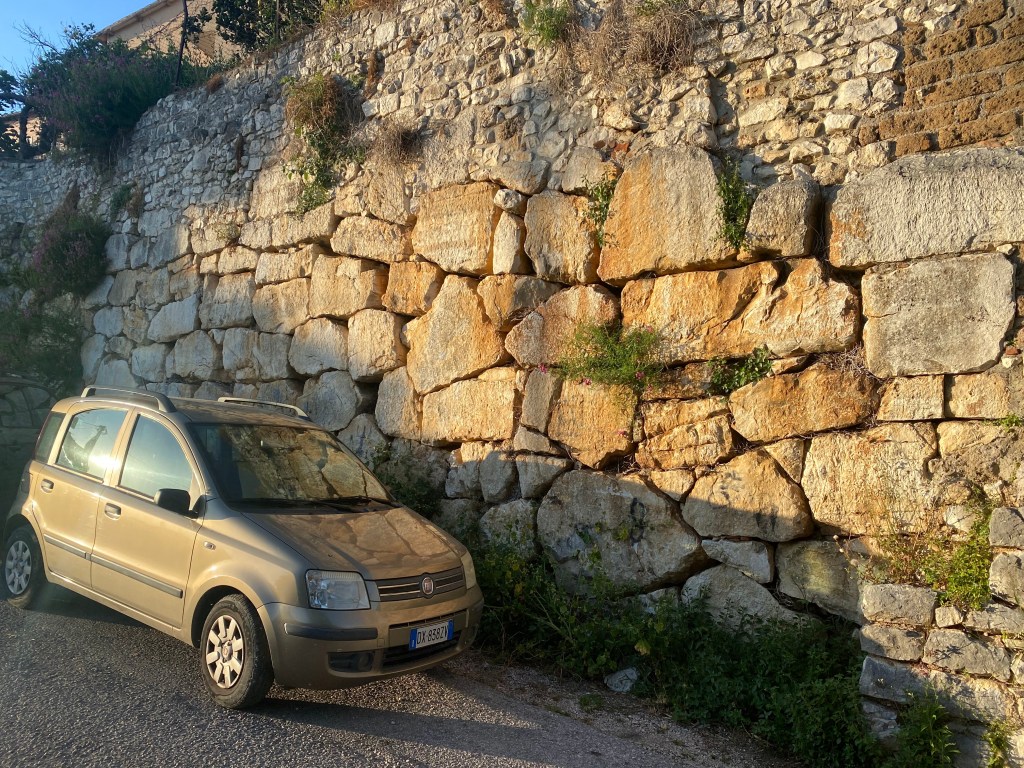
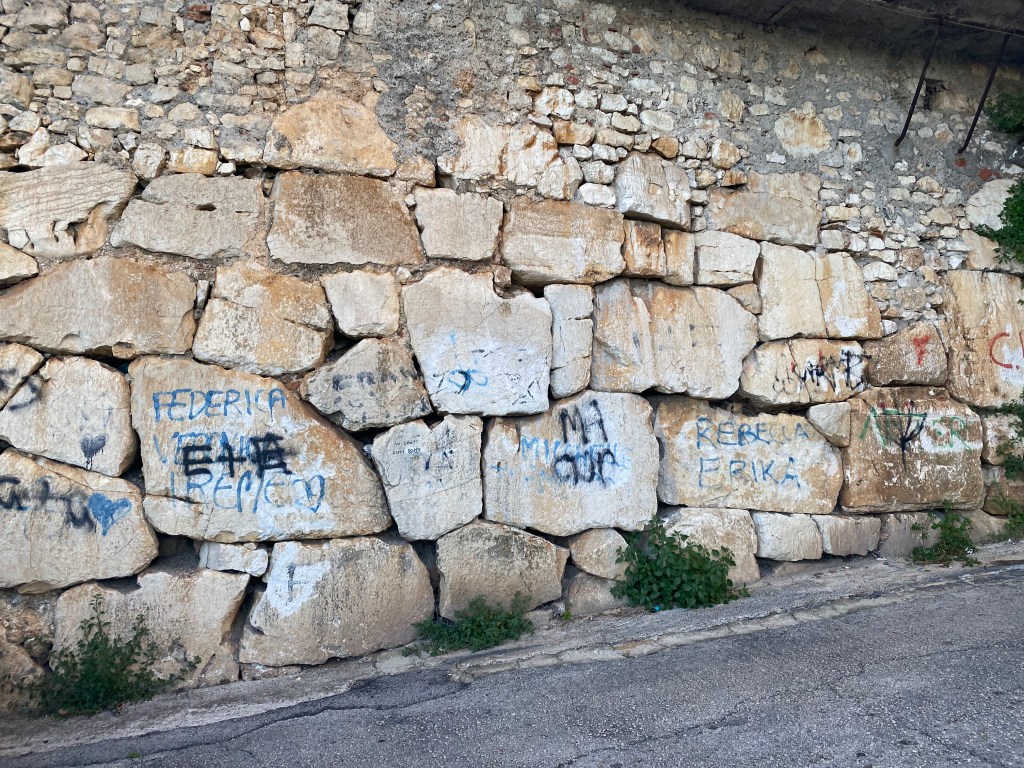
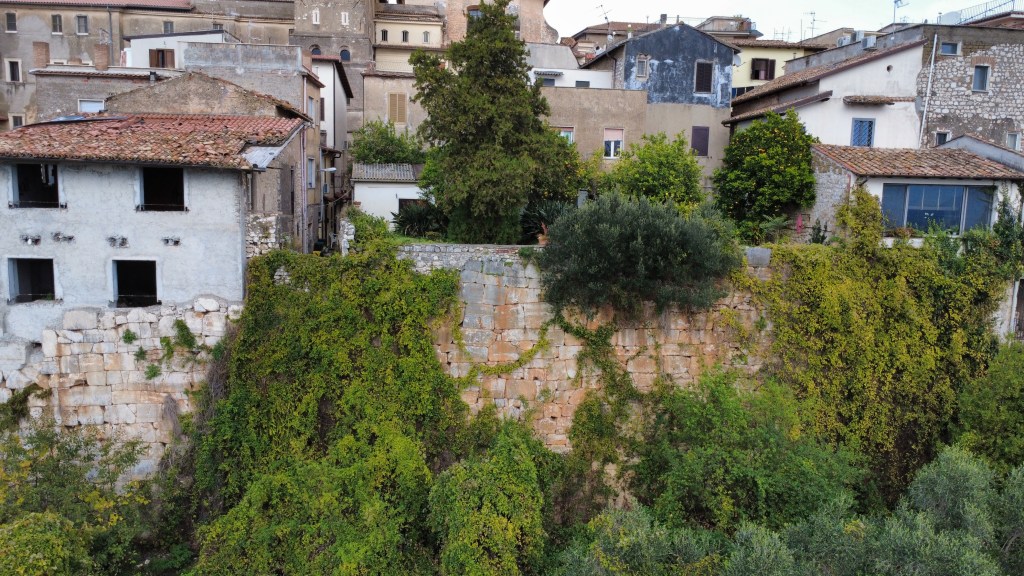
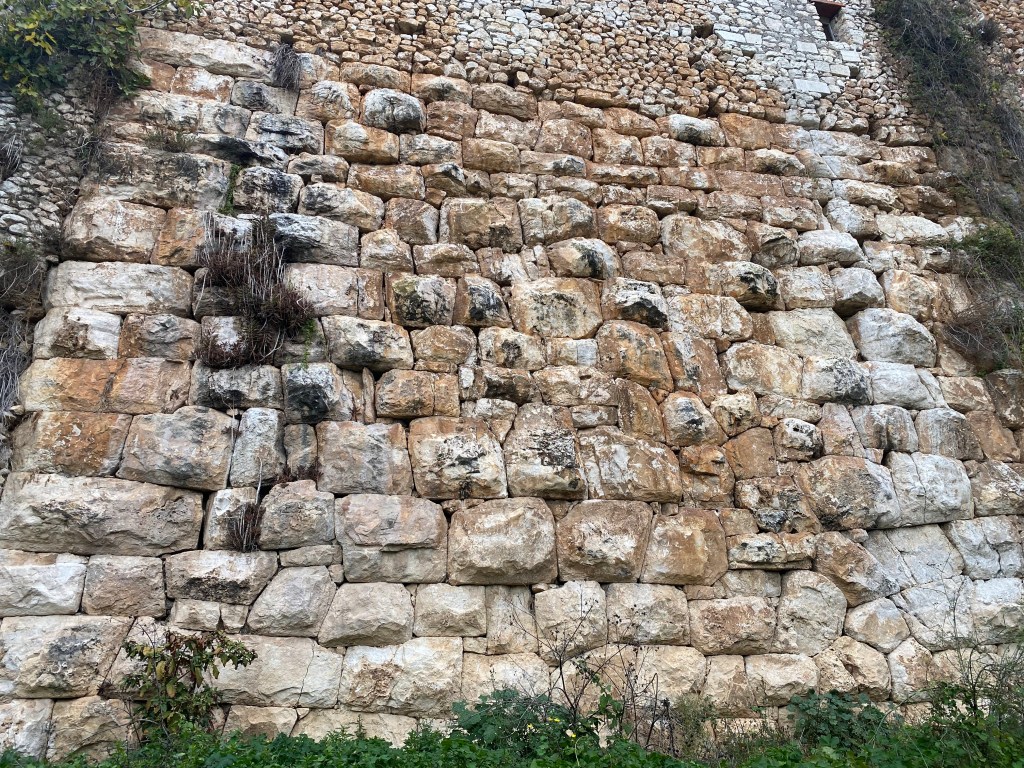
Characteristics: Another polygonal site of note in the Lepini Mountains, Sezze (or Setia as it was known in ancient times) preserves significant stretches of polygonal walls. The majority are integrated into the modern town, and the outer sections follow the steep contours of the hillside with commanding views over the Pontine plain. As opposed to most polygonal sites which display only one or two styles of masonry, Sezze displays a wide variety of techniques across the entire spectrum of polygonal stonework. These include moderately to precisely worked multi-angled blocks and more rectangular blocks akin to Lugli’s 4th style. Notable features of the site include polygonal towers and terraces, many of which are completely swallowed by overgrowth. Their original beauty can still be appreciated from 17-19th century drawings and some early 20th century photos. More recent grassroots efforts to preserve and maintain the walls have had some success in revealing these ancient structures again; however, little investment from the town itself has left them obscured at future risk of erosion and decay.
Polygonal classification: Types II-IV (Lugli)
Attribution: The ancient settlement’s polygonal walls are attributed to pre-Roman Volscian builders. Later Roman phases repaired and reused portions of the fortifications, but it is still unclear to what extent the Roman additions were polygonal in nature.
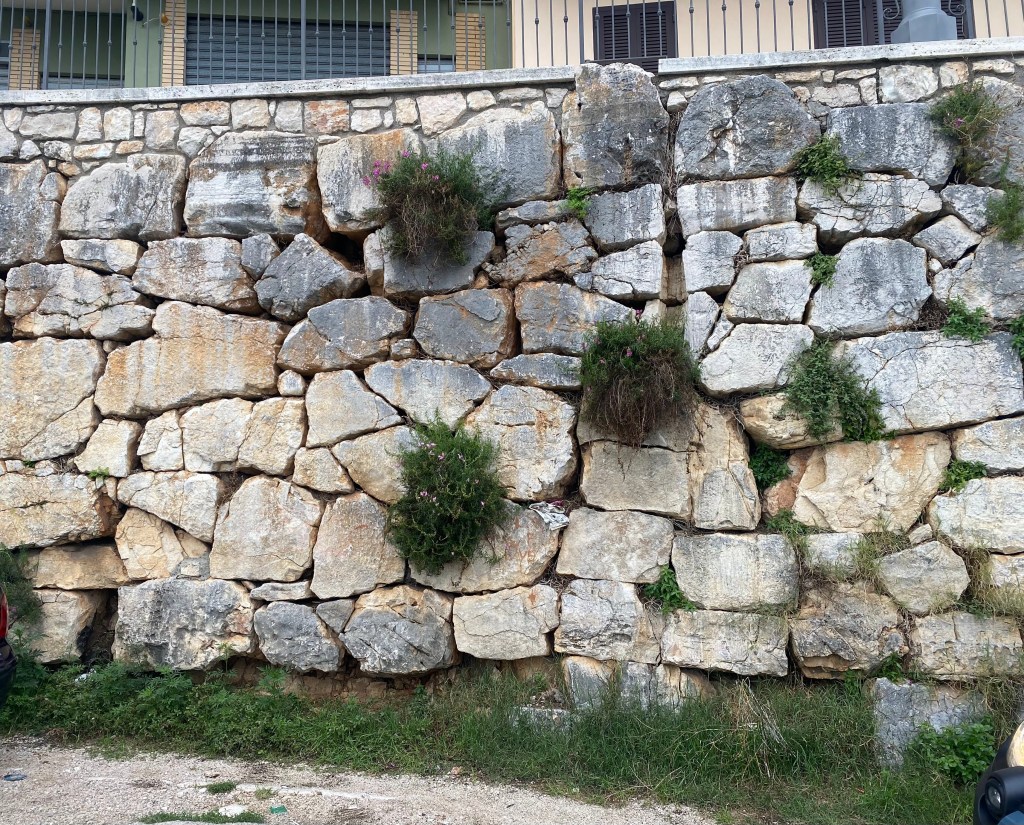
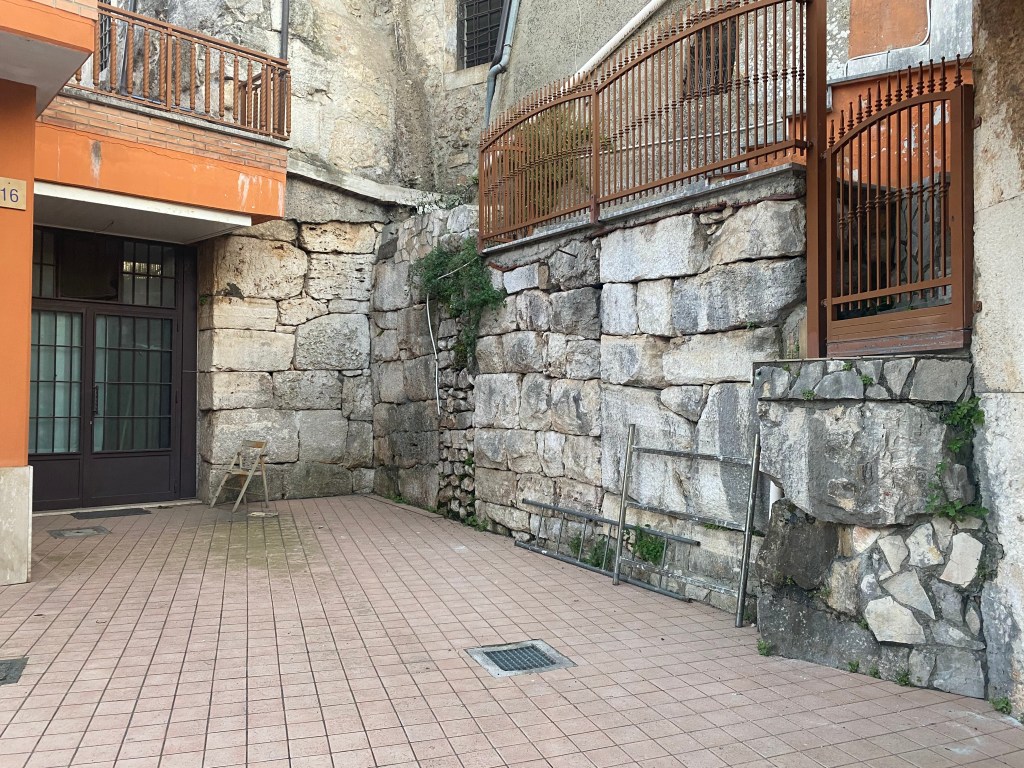
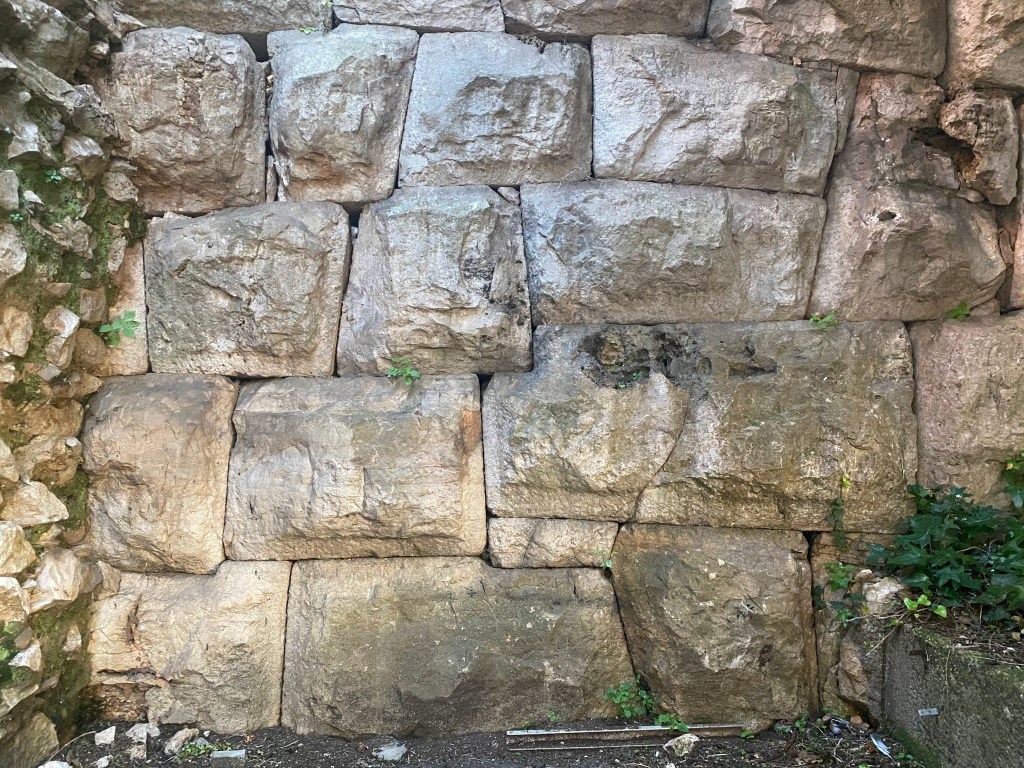
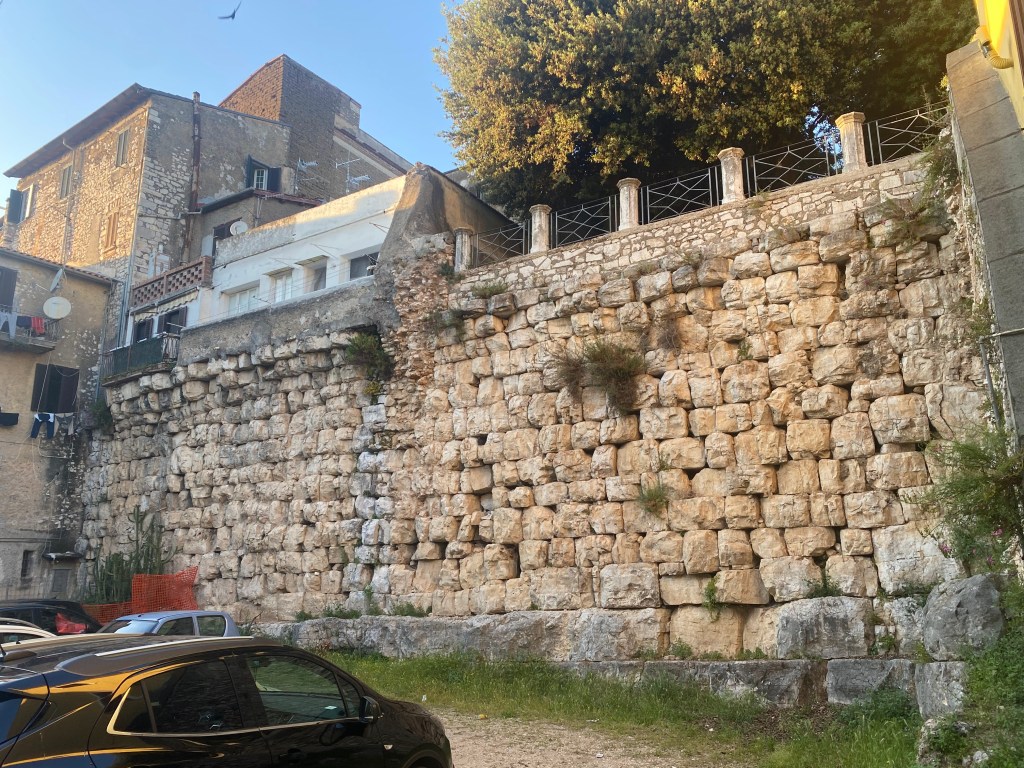
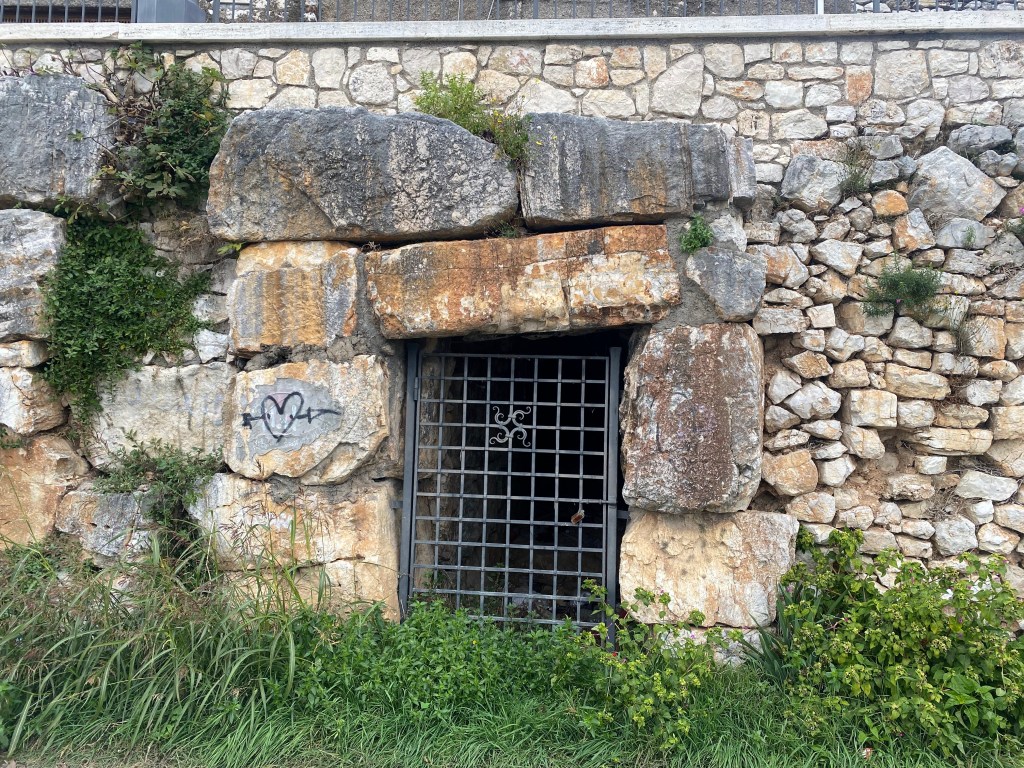
Specific points to see:
- Via Corradini
- Piazza S. Chiara
- Via Guglietto
- Via Porta Gioberti
- Via della Fanfara (IP gas station)
 Minutiae