
SATURNIA
Location: Saturnia, Tuscany (Italy) — 42.6637 N, 11.5055 E
Dating: 5th–4th centuries BC
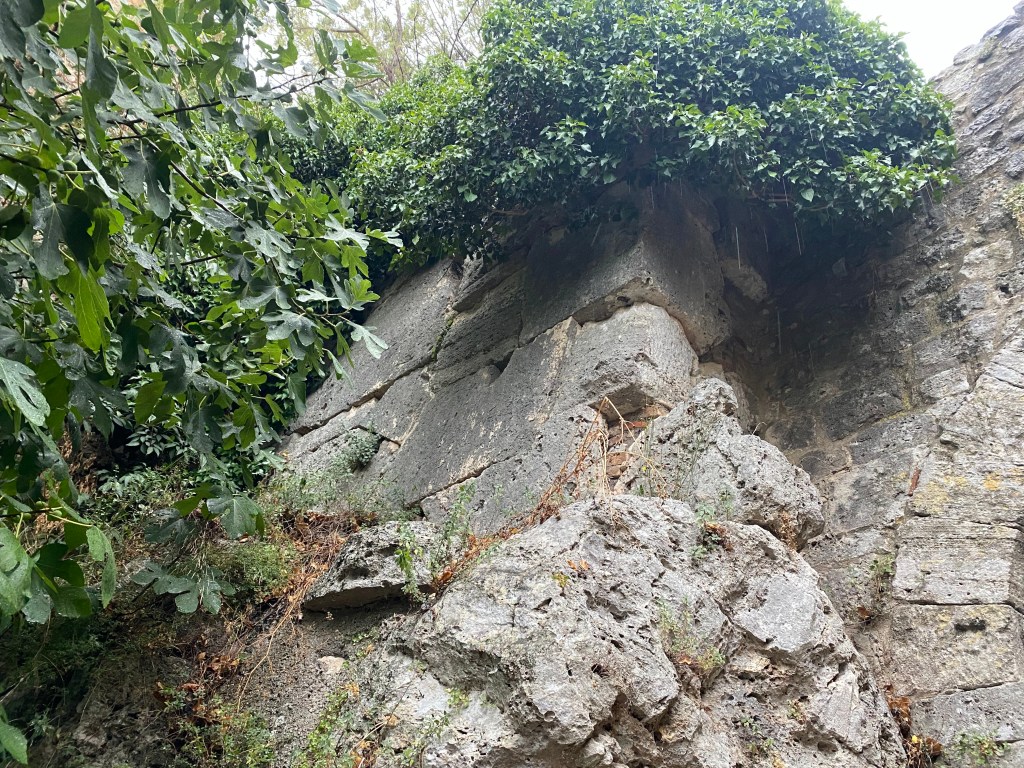
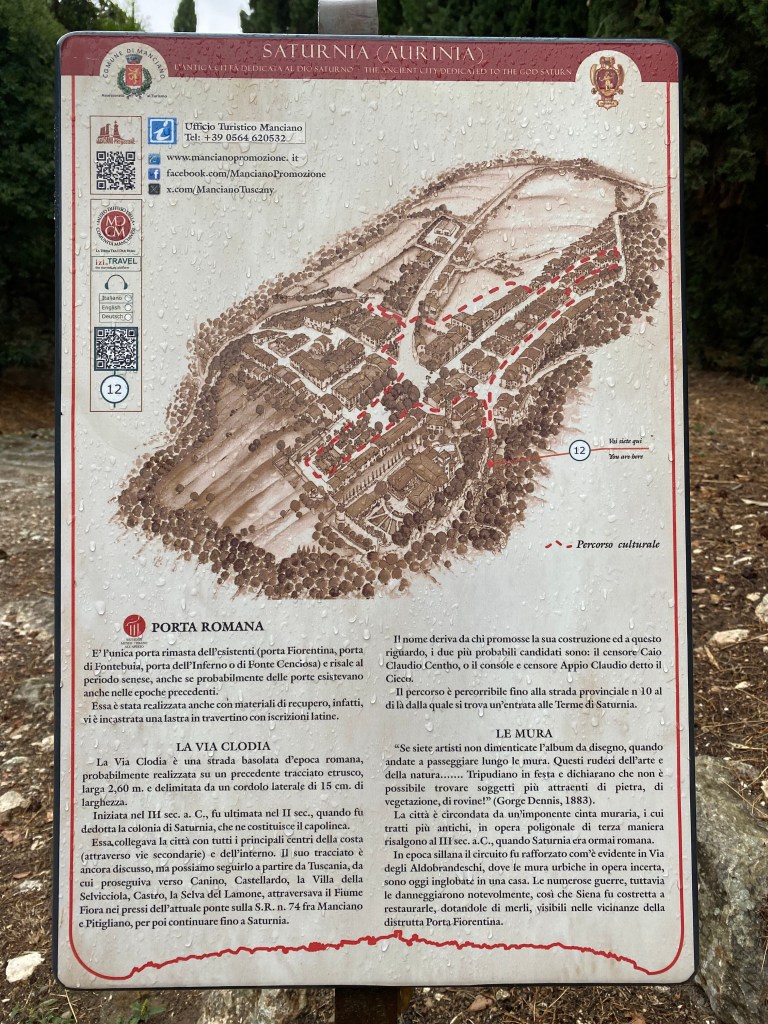
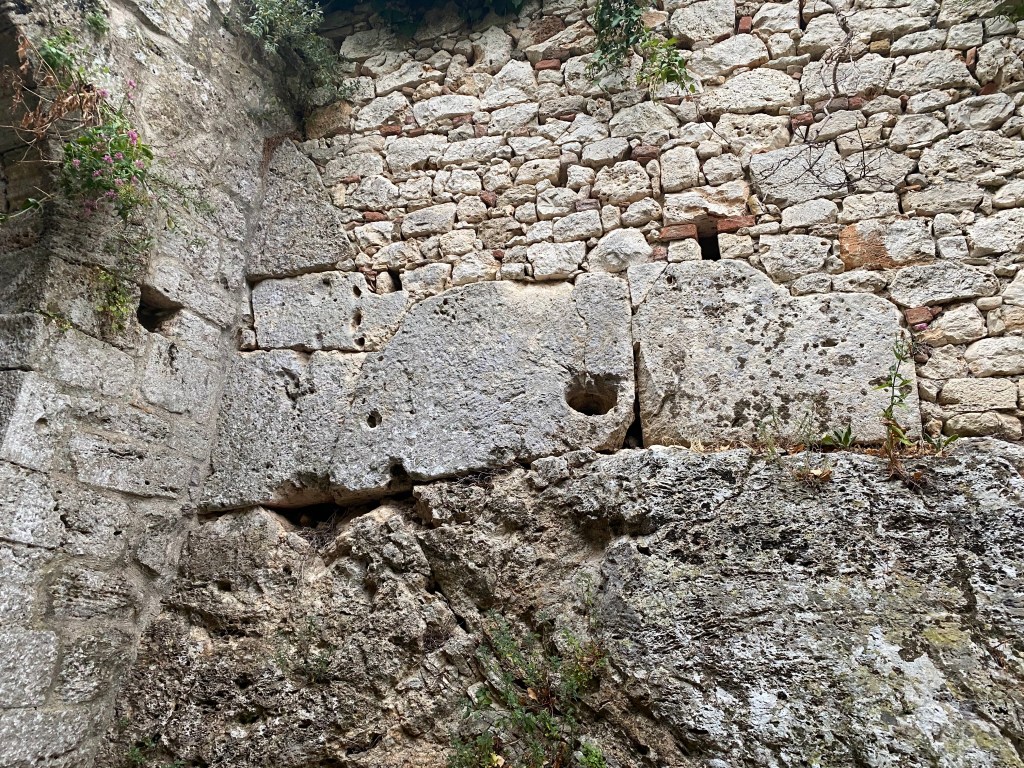
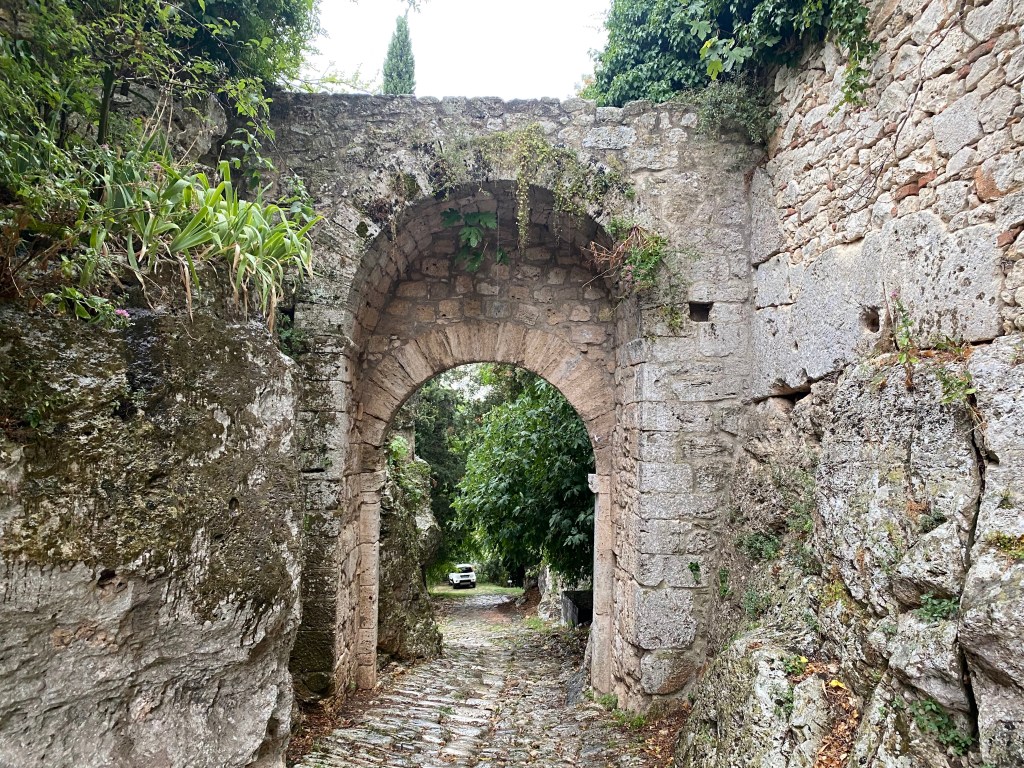
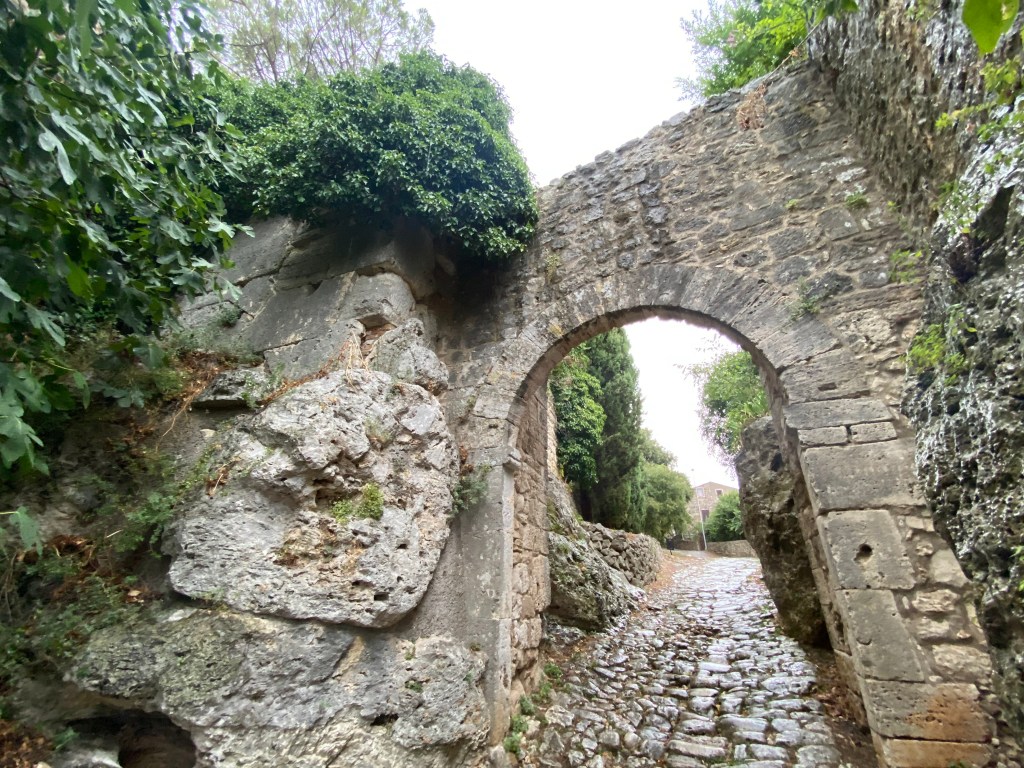
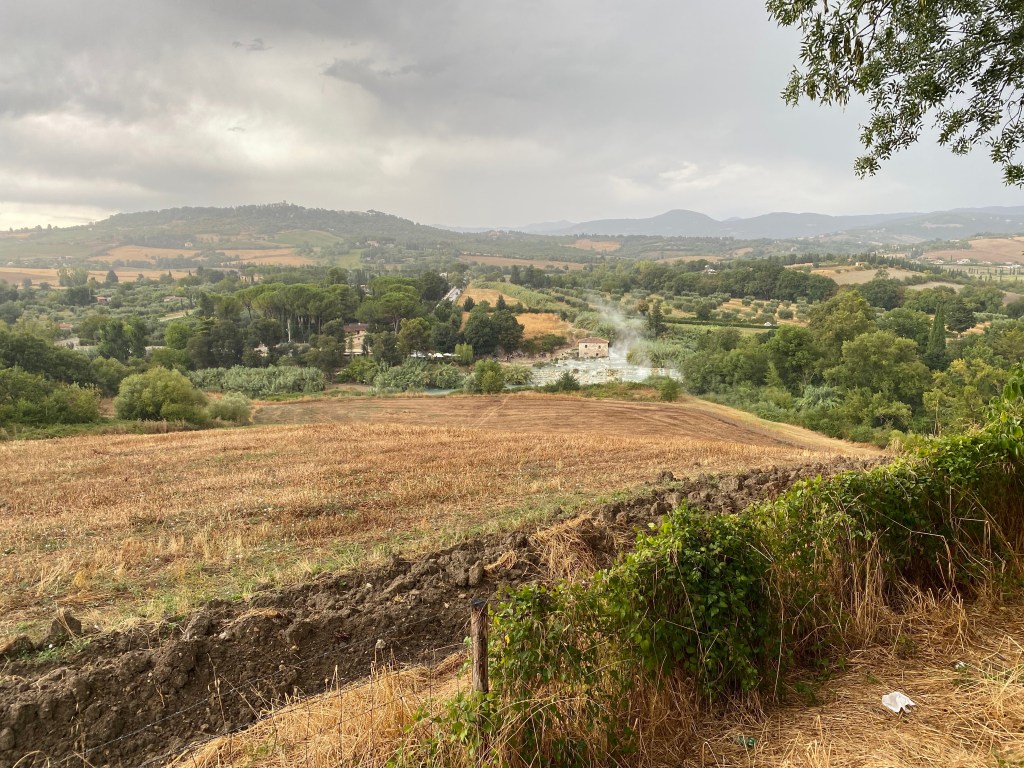
Characteristics: Saturnia is an unfortunate example of polygonal masonry which has not withstood the test of time. Neglect after the Roman period and a series of attacks and raids by Saracen pirates throughout the Middle Ages reduced the once great polygonal walls to ruins. Once extending for approximately 2 km around the ancient Etruscan settlement, today’s polygonal remains are limited to one gateway which was later reused by the Romans. The so called Porta Romana contains polygonal blocks of excellent precision which show similarities to many other sites throughout Italy attributed to diverse Italic groups. An interesting aspect of the site and tied to its mythological origins are the nearby thermal baths which have been continuously running since at least Etruscan times. The legend goes that Saturn hurled a thunderbolt to earth which created the sulphorous, therapeutic waters to gush forth from deep within the Earth’s crust.
Polygonal classification: Types II-III (Lugli)
Attribution: The site is attributed to the Etruscans.
Specific points to see:
- Porta Romana
 Minutiae