
SANT’ERASMO
Location: Cesi, Terni (Italy) — 42.6138 N, 12.5909 E
Dating: 6th–4th centuries BC
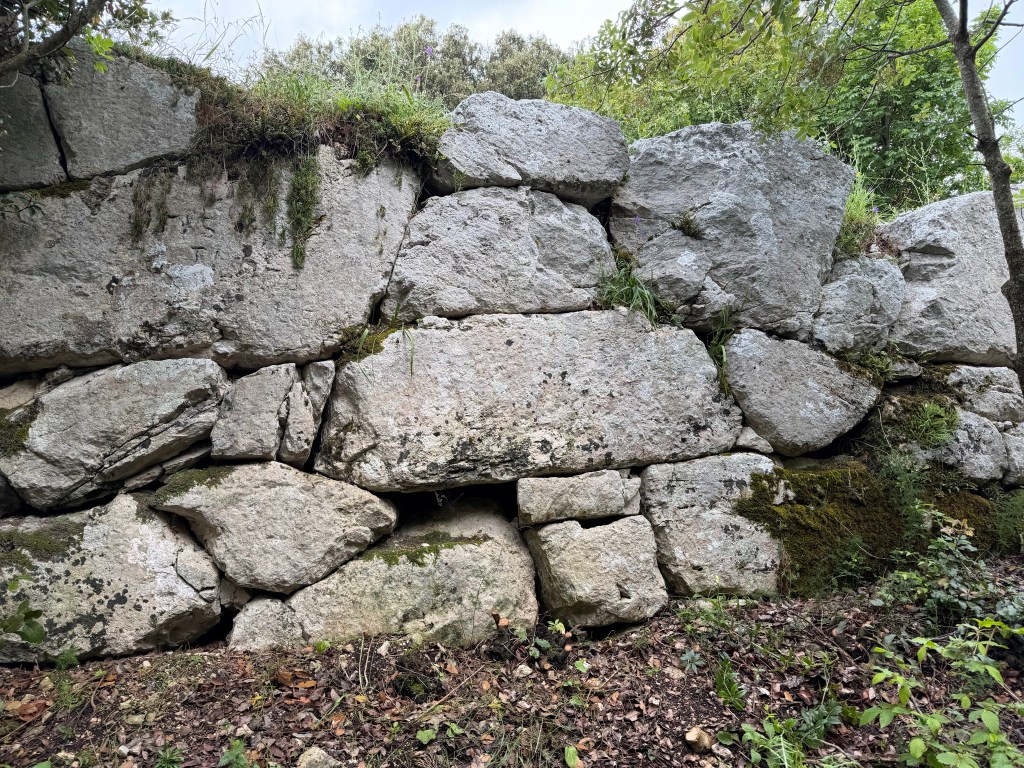
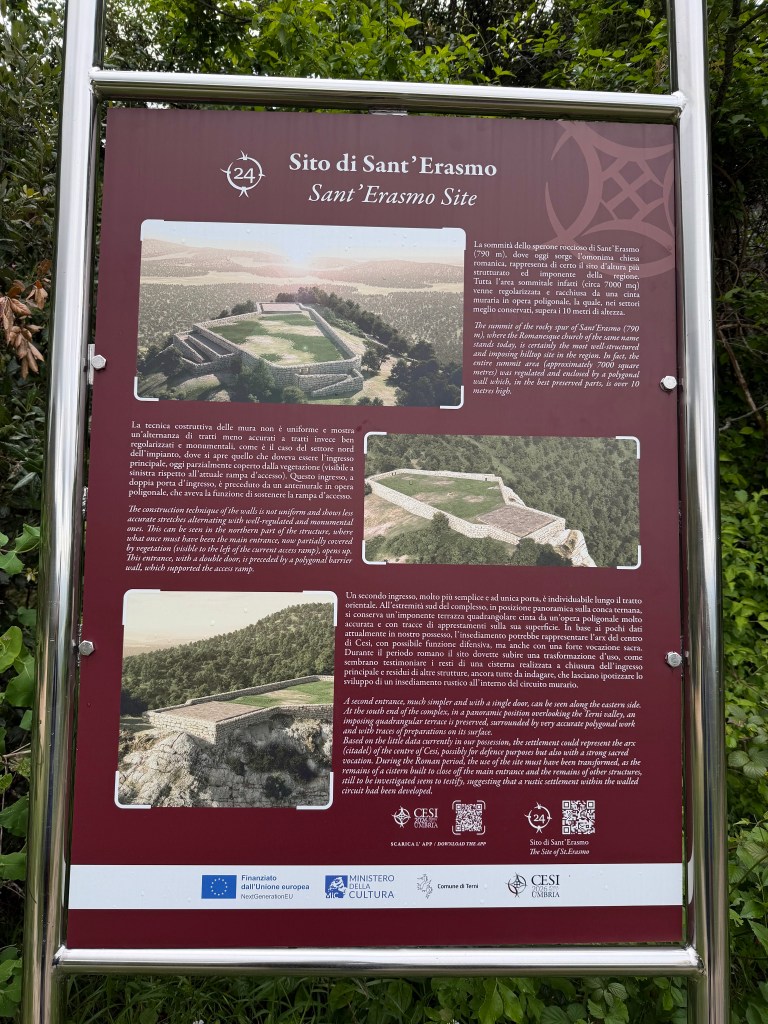
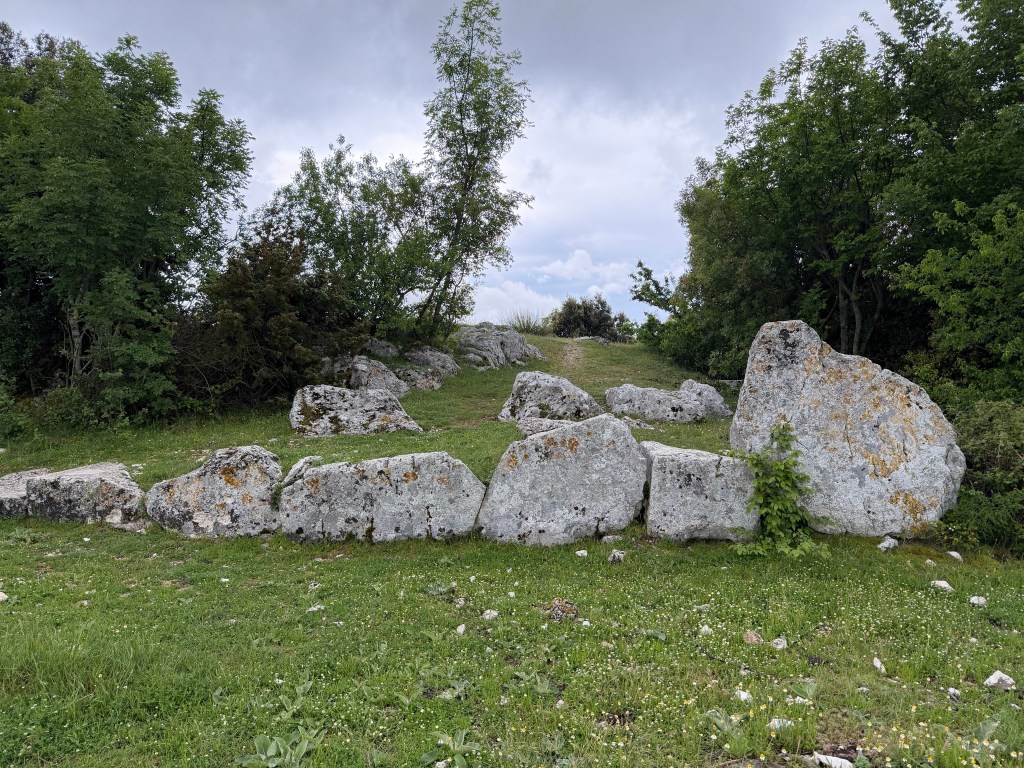
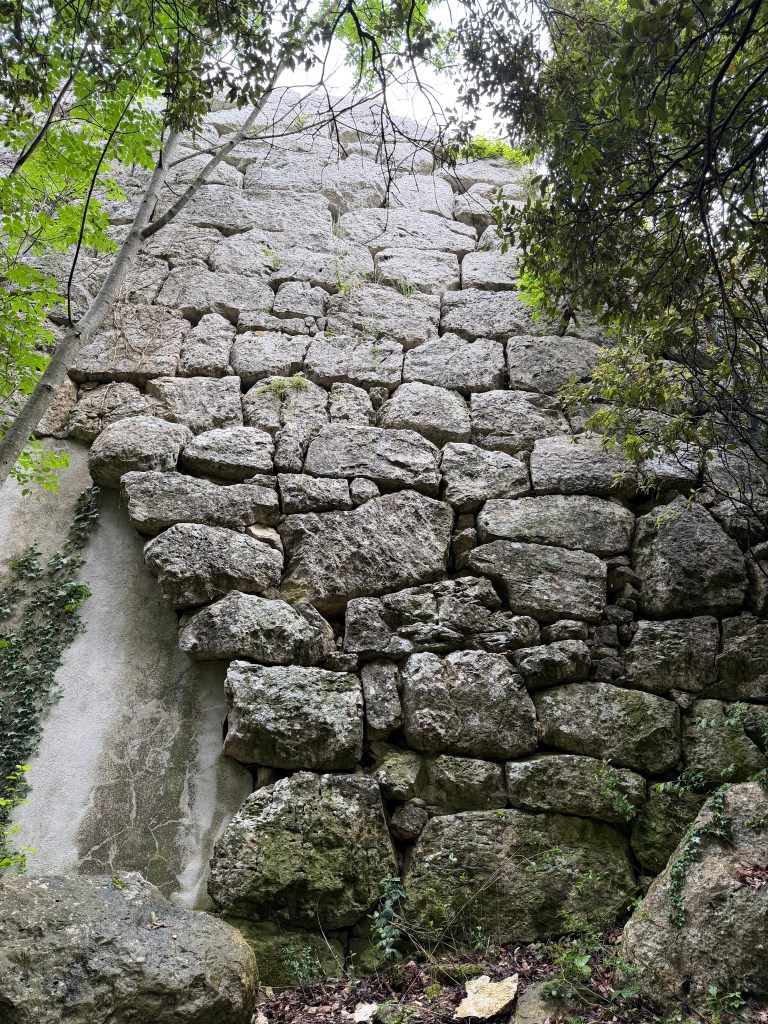
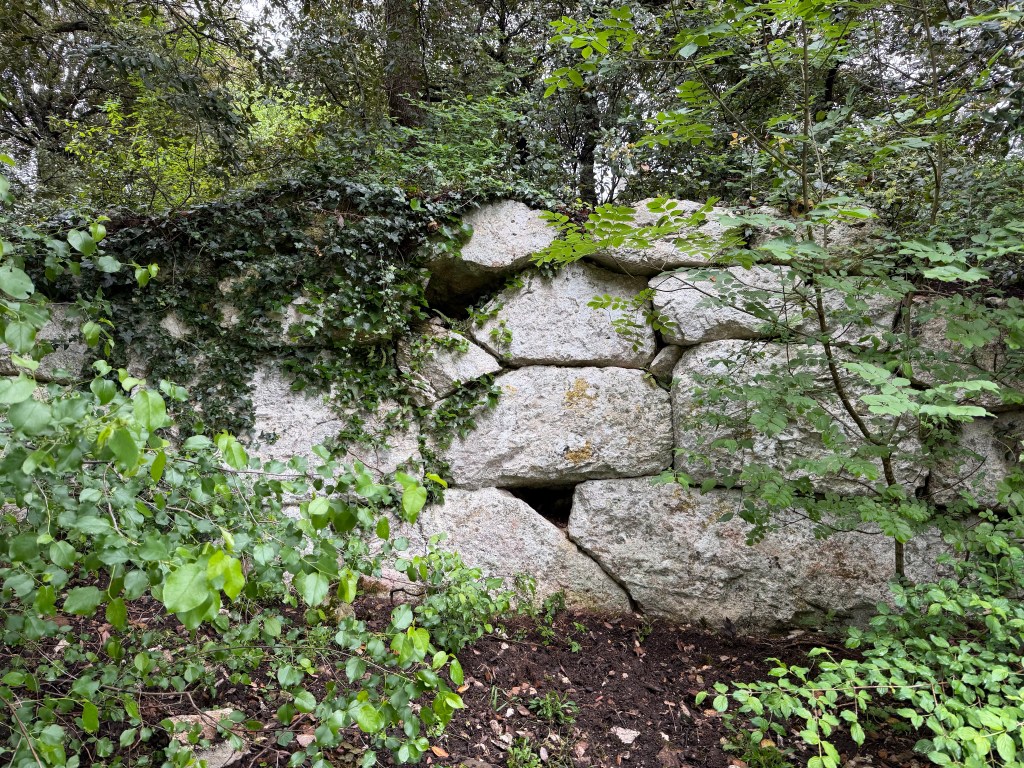
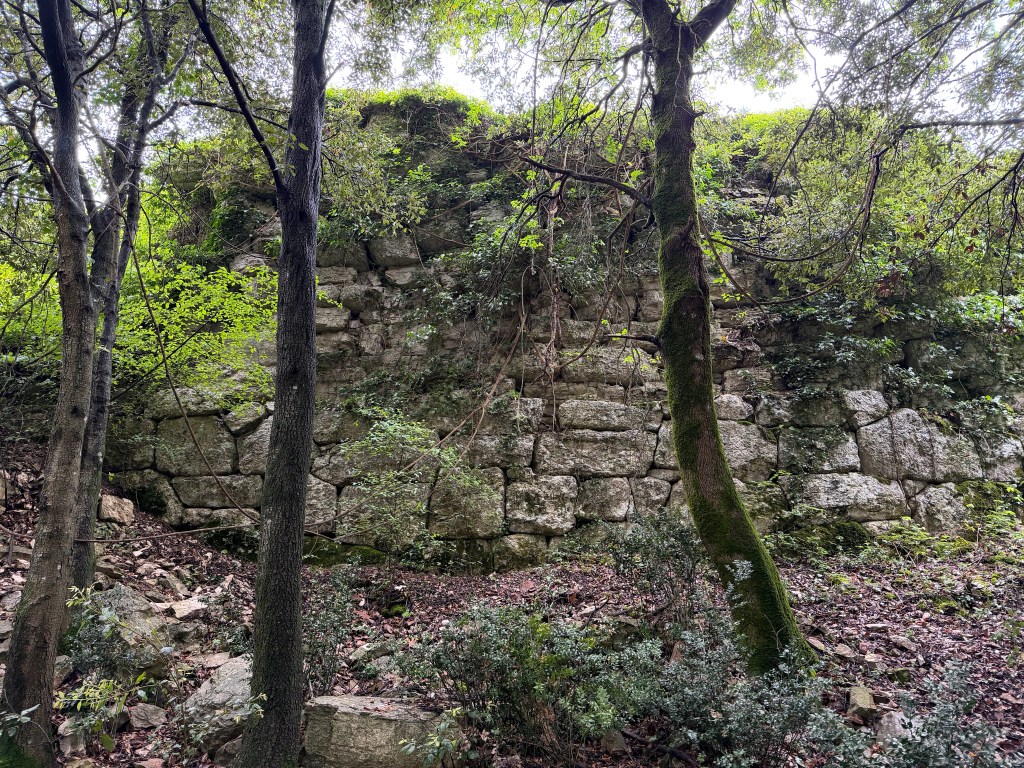
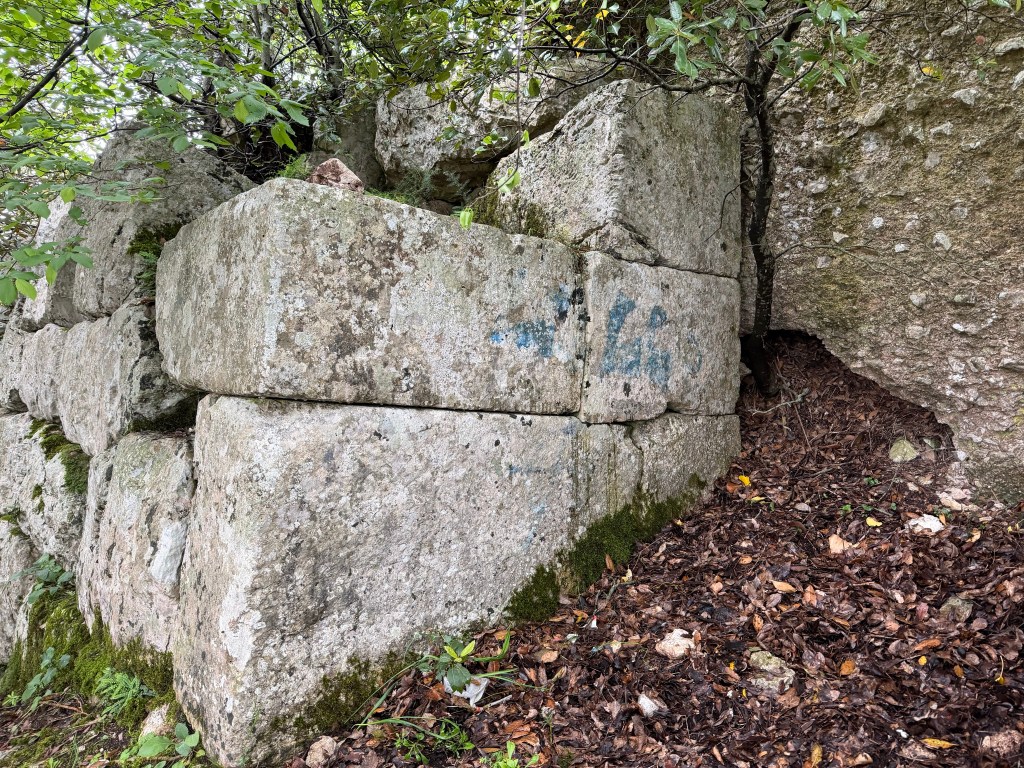
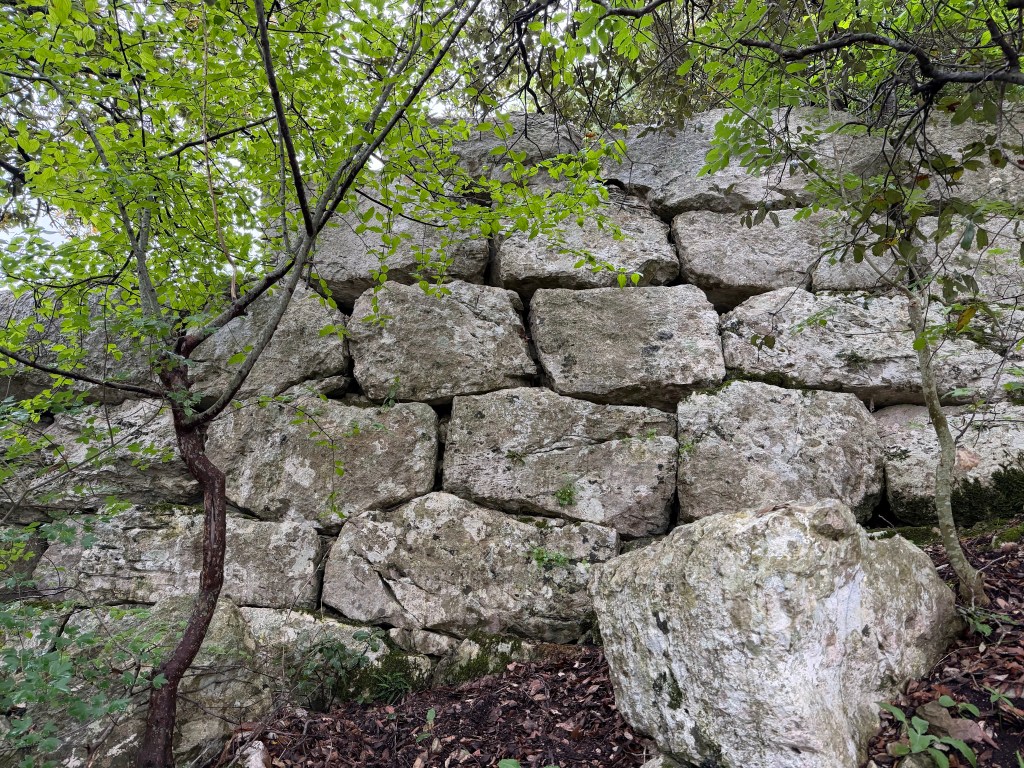
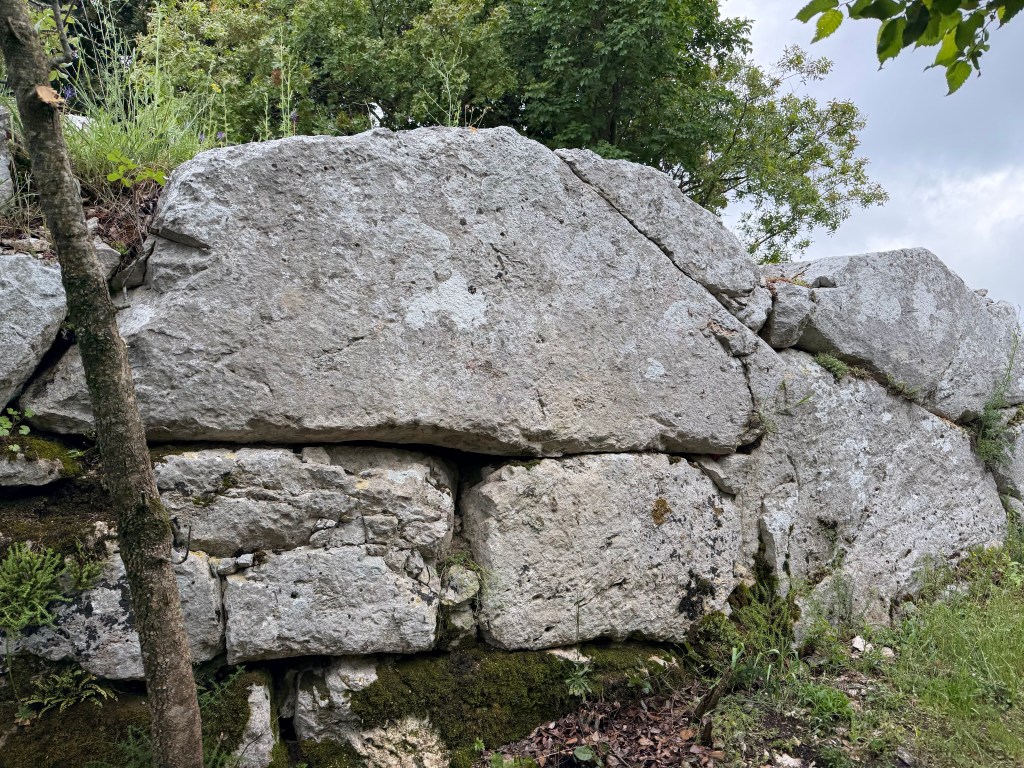
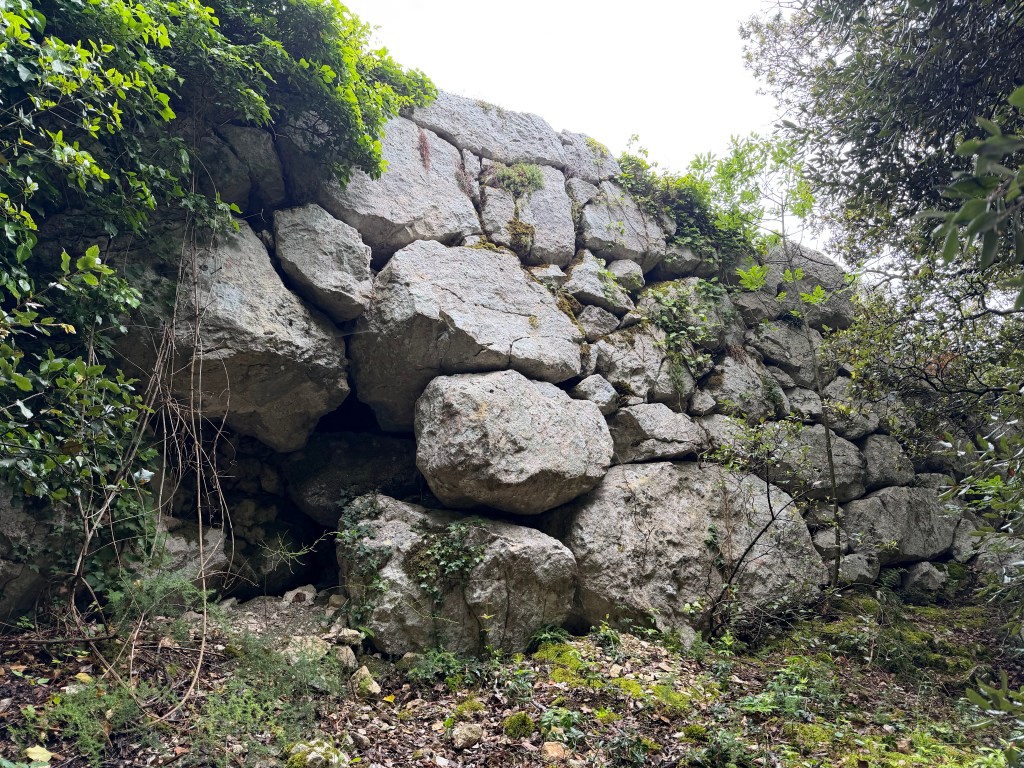
Characteristics: The Sant’Erasmo site sits dominantly 790 meters above the valley below with commanding views far and wide. Despite its strategic position, it is usually interpreted as a sanctuary platform, rather than an urban fortification. Its association with a ritualistic past has led some scholars to interpret the masonry as part of a broader sacred complex rather than purely defensive architecture. What remains of the outer walls are a mix of rough and more precise polygonal joinery with the outer cliffside walls reaching over 5 meters high. One particular feature of the site’s sanctuary entrance not often seen at such polygonal structures is a double doorway leading up to the flat hilltop. The blocks at the gates show especially tight precision. The polygonal walls once fully enclosed the exposed plateau, and evidence of a bedrock platform lends credence to its sacred, pre-Roman past.
Polygonal classification: Types I-III (Lugli)
Attribution: The sanctuary site is commonly attributed to the Umbrians (a pre-Roman population of the Terni region) before Roman repurposement.
Specific points to see:
- Chiesa di Sant’Erasmo

