
ROSELLE (RUSELLAE)
Location: Roselle, Grosseto, Tuscany (Italy) — 42.8315 N, 11.1614 E
Dating: 6th–5th centuries BC
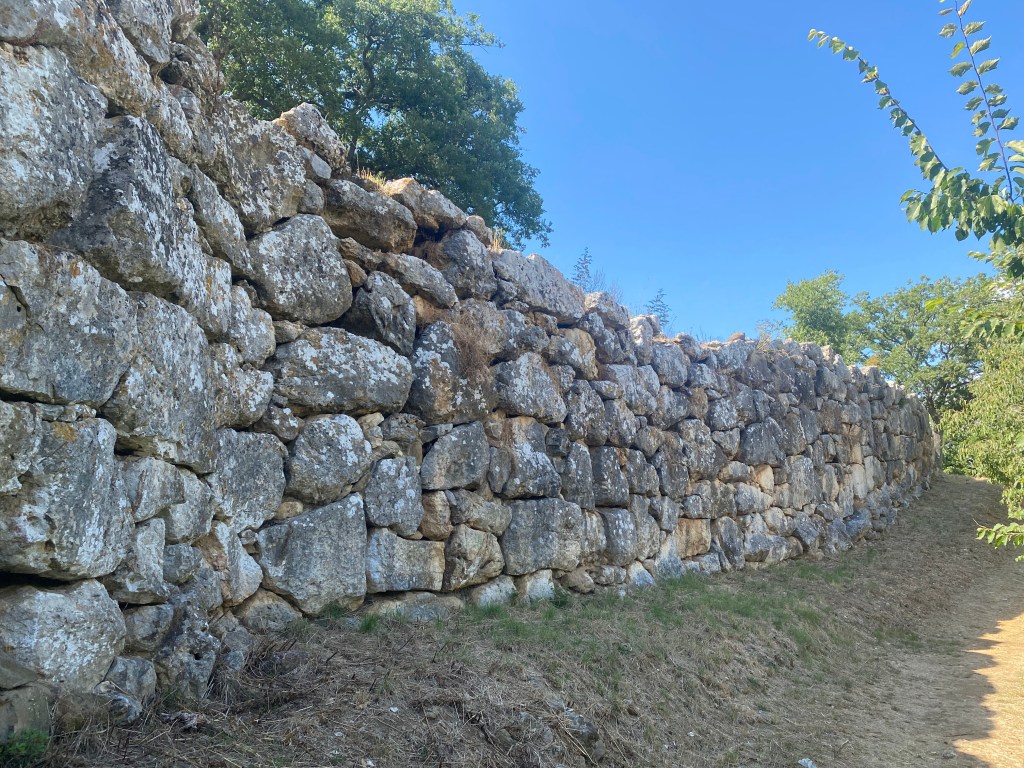
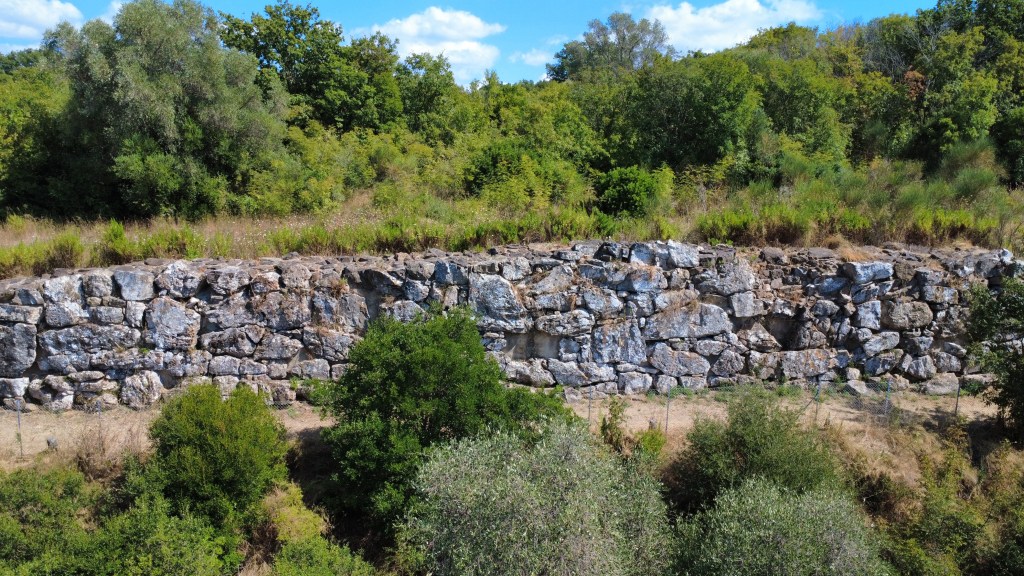
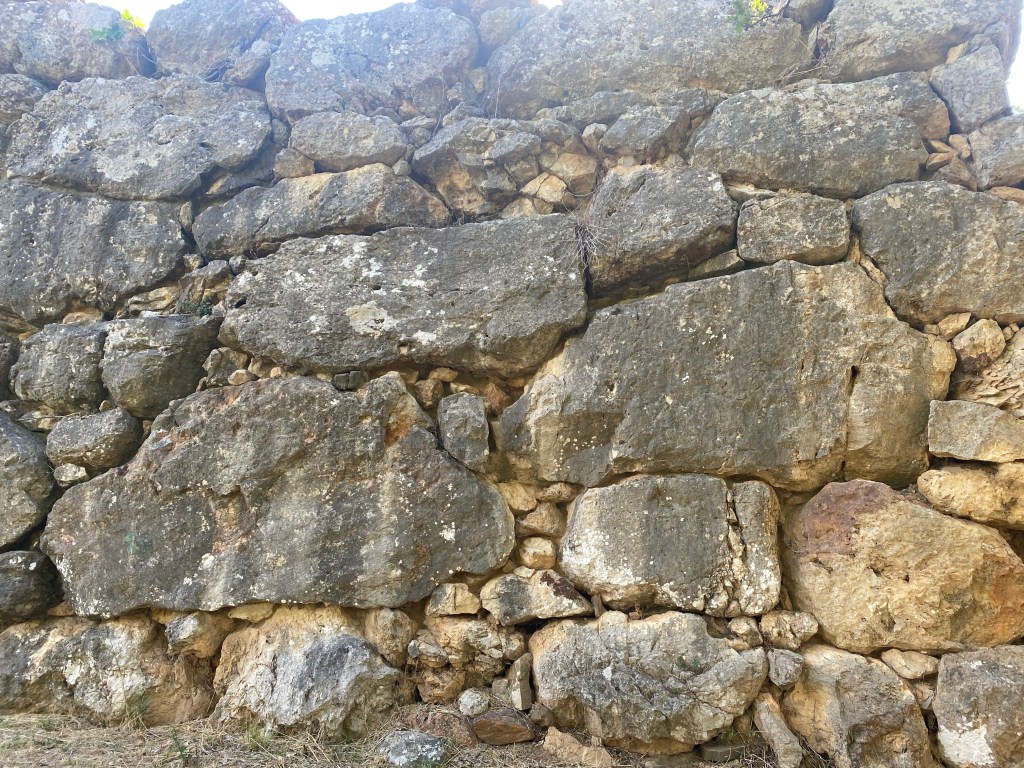
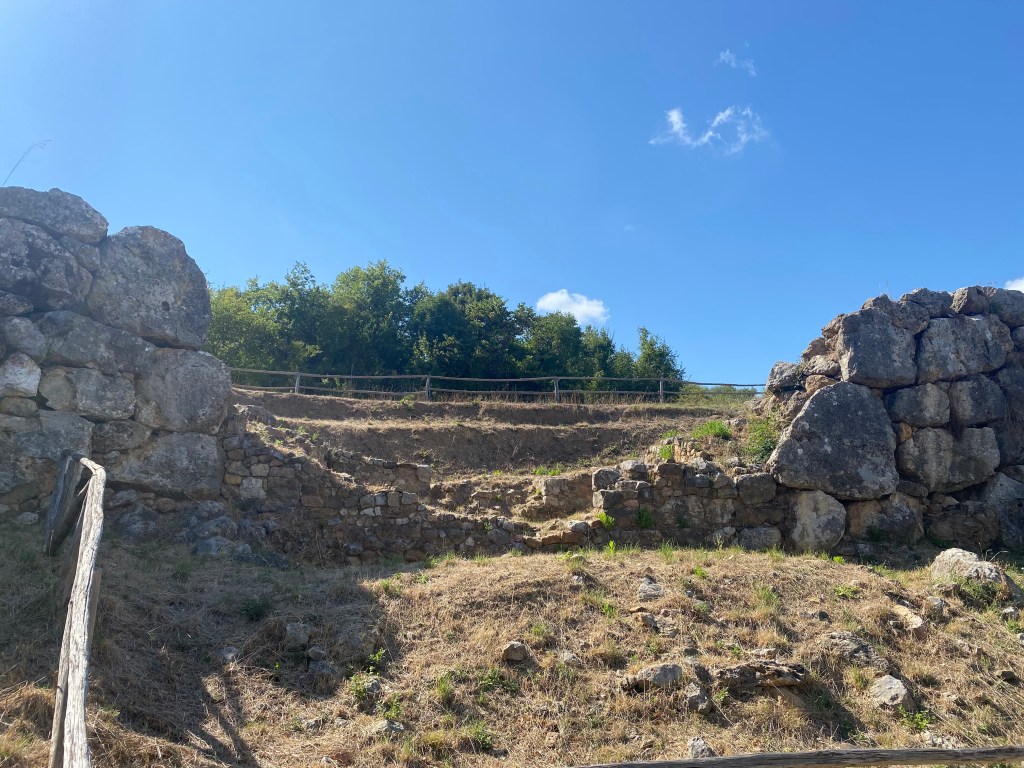
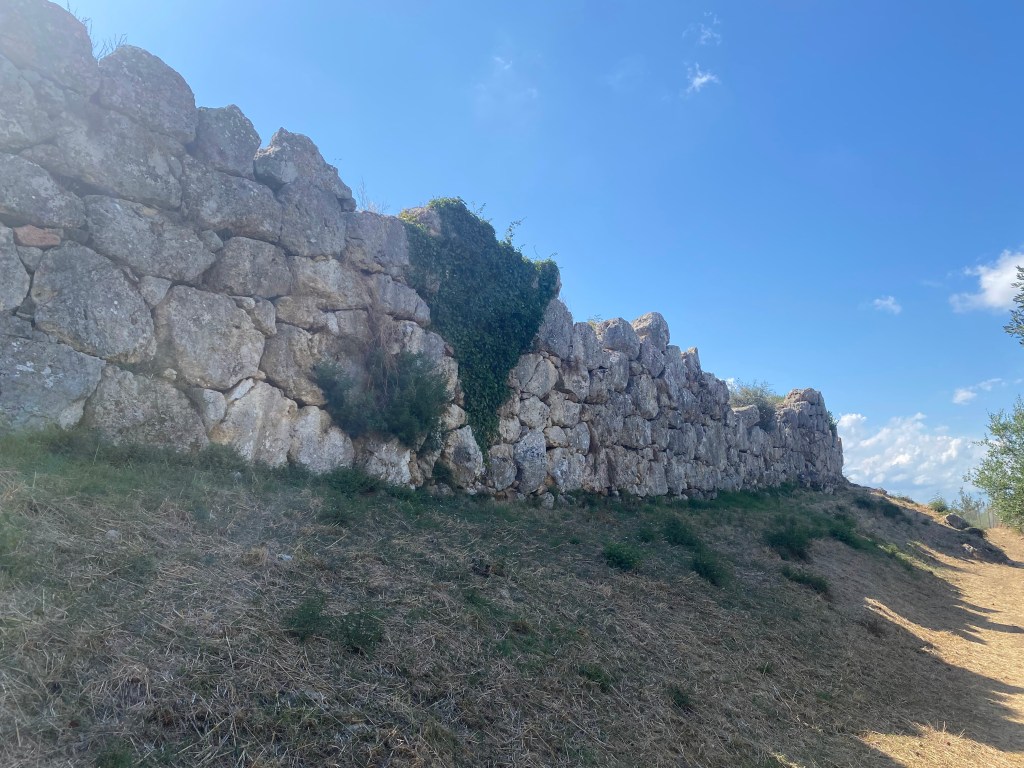
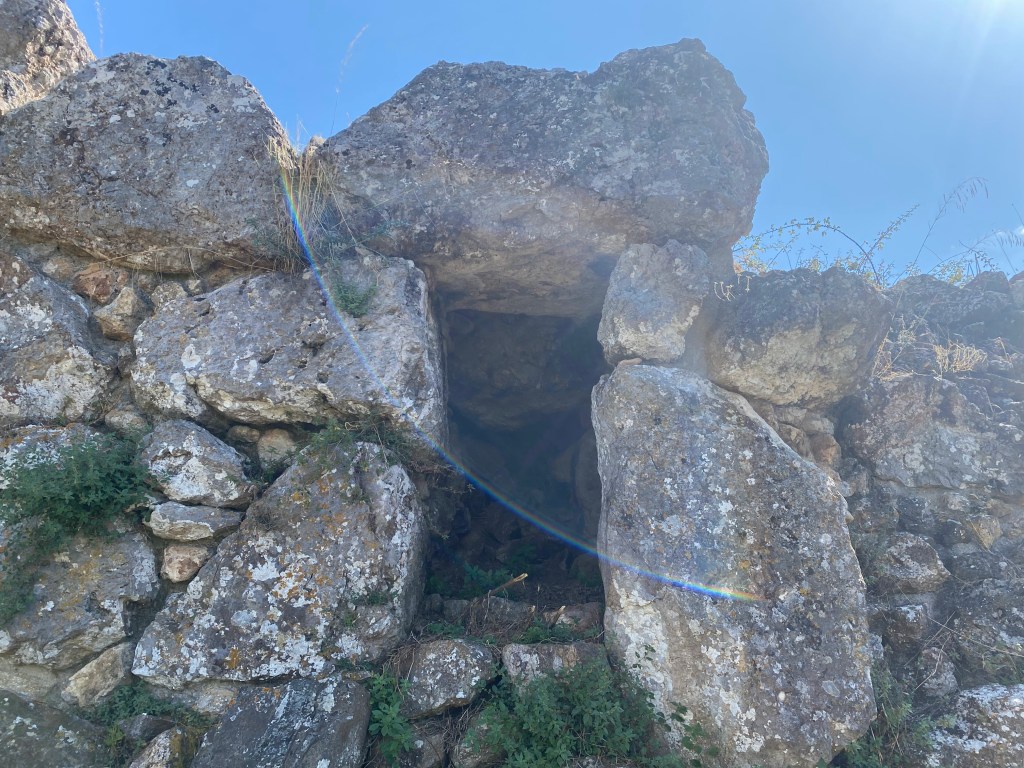
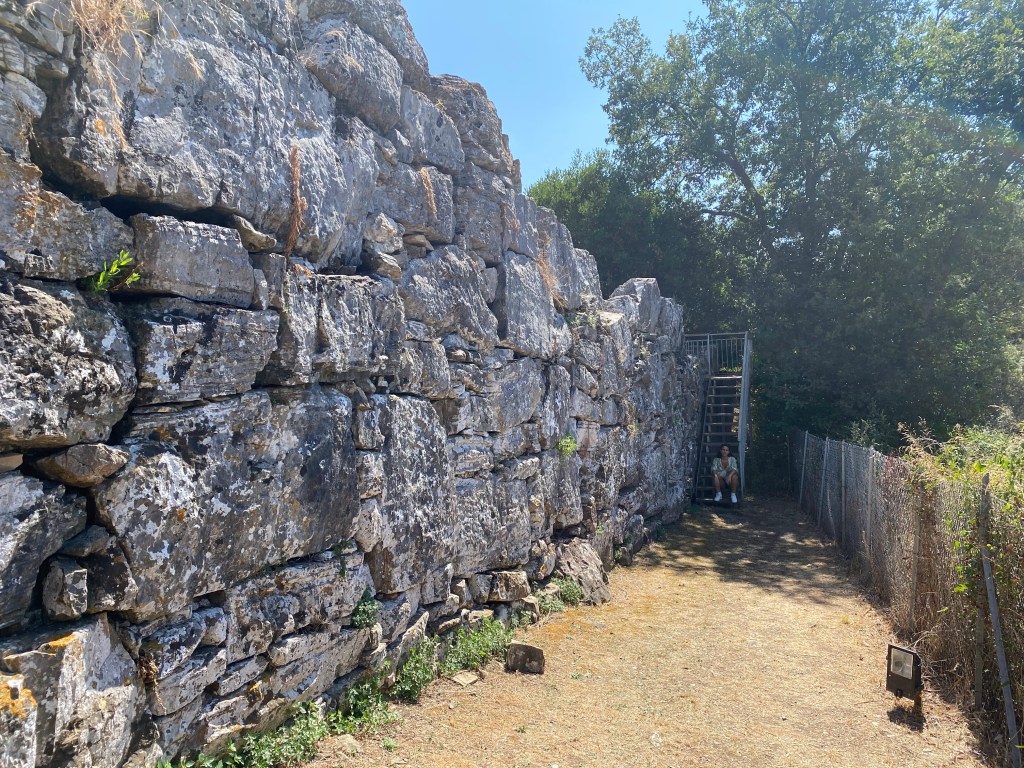
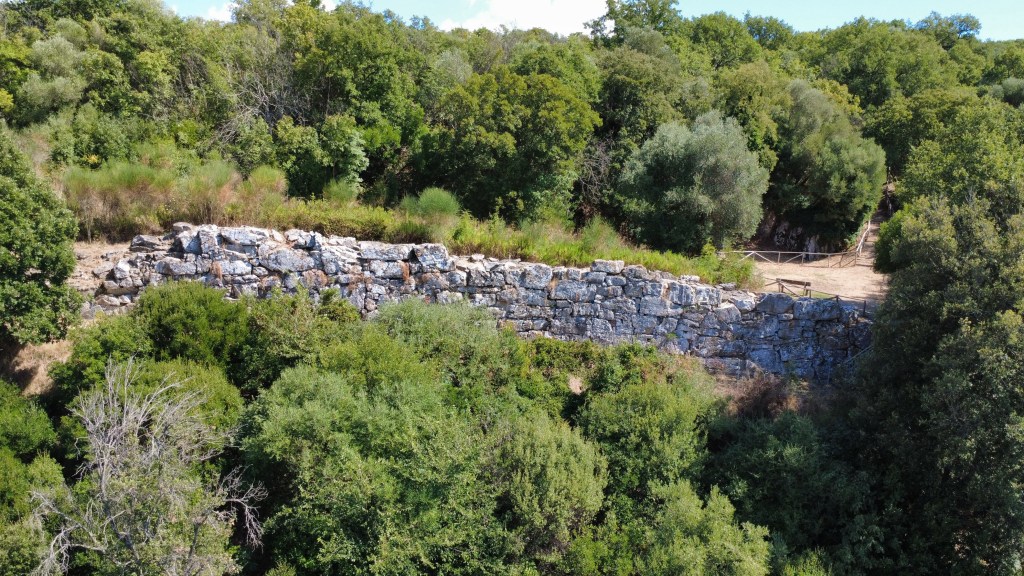
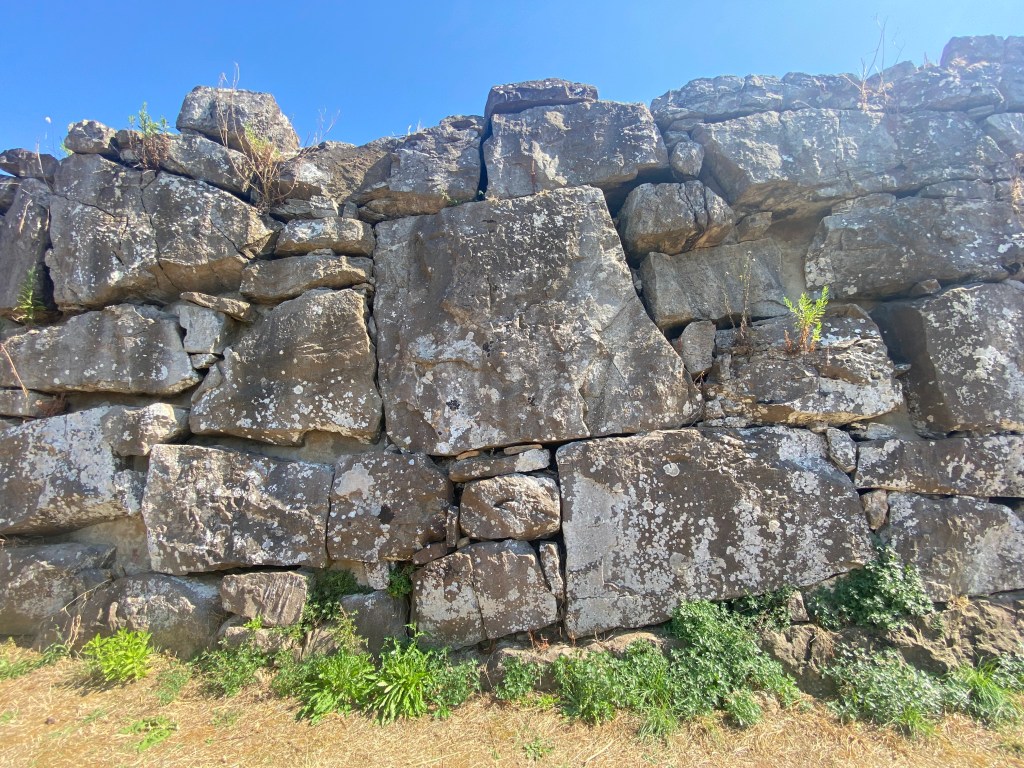
Characteristics: Rusellae preserves one of the most impressive polygonal fortification circuits in Etruria and all of Italy. The defensive walls extend for approximately 3 km around the hilltop settlement. The stonework consists of large, irregular limestone blocks which vary significantly in size. The biggest measure 1–2 meters in length, with some exceeding 2 meters. The walls follow the natural contours of the twin hills forming the city, incorporating steep slopes for defensive advantage. Several gates and controlled access points were integrated into the circuit. Interestingly, the upper portion of the settlement – initially Etruscan and then Roman – contains no polygonal stonework.
Polygonal classification: Types I-II (Lugli) and similar to traditional Greek Cyclopean
Attribution: The polygonal walls at Rusellae are attributed to the Etruscans before Roman modifications after 294 BC.
Specific points to see:
- Parco Archeologico di Roselle – walking path around external wall circuit
 Minutiae