
NORBA
Location: Norma, Lazio (Italy) — 41.5916 N, 12.9602 E
Dating: 7th-3rd centuries BC
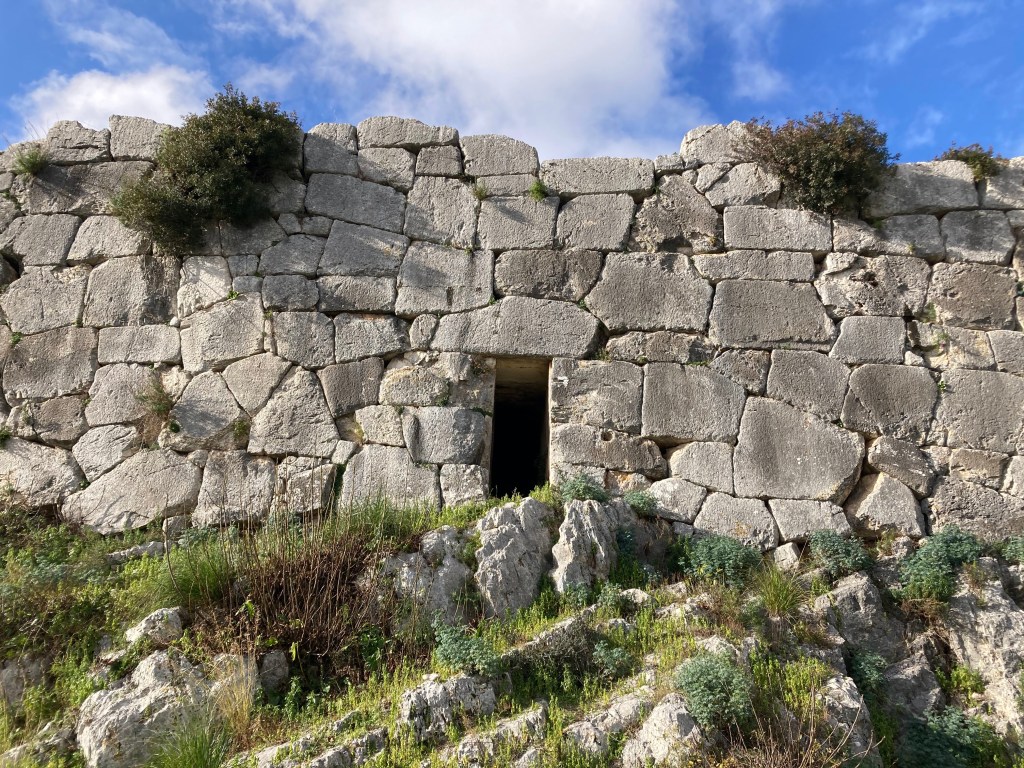
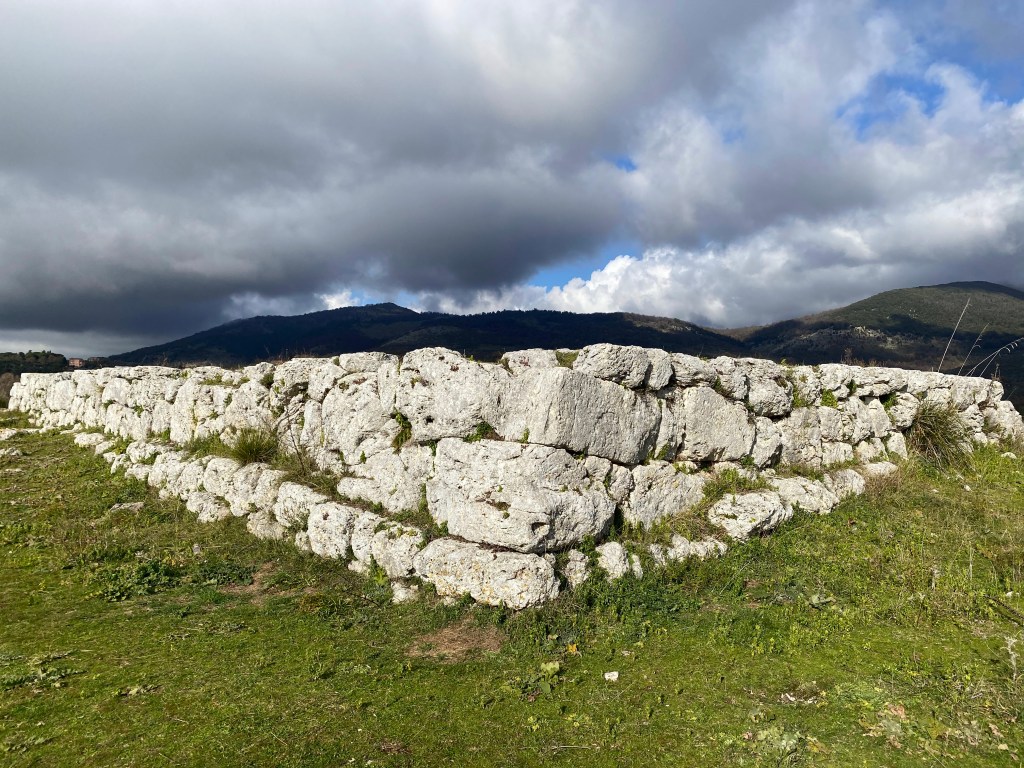
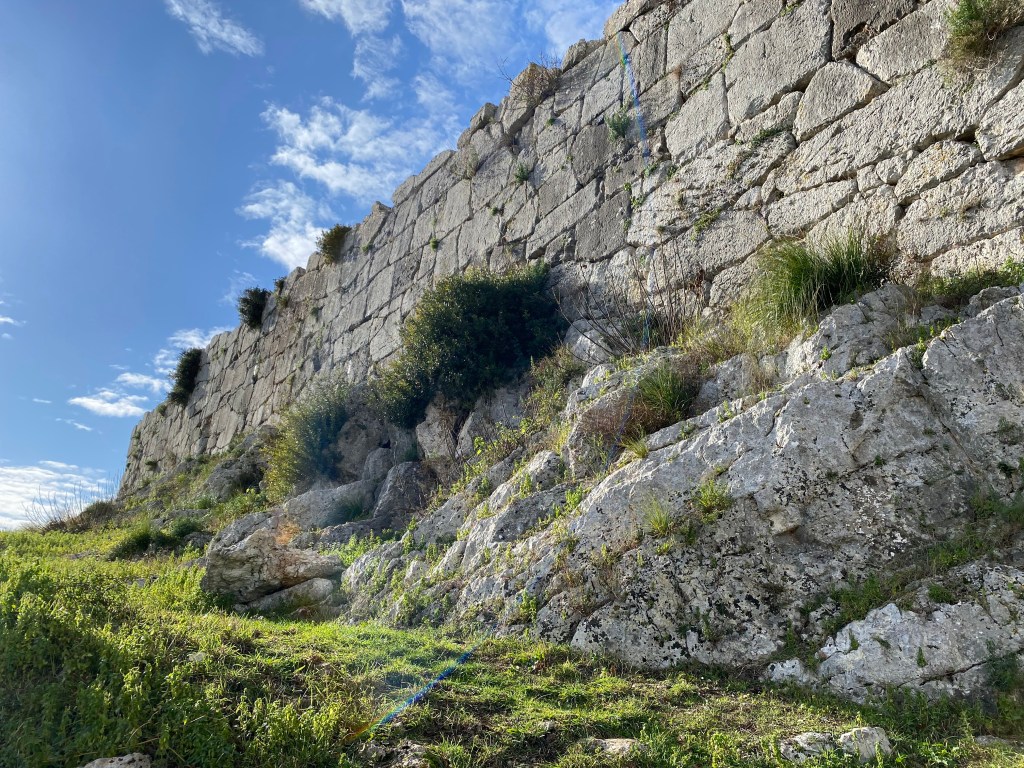
Characteristics: Contains a circuit of polygonal walls built high on a raised plateau overlooking the Pontine Plain. The sites boasts numerous polygonal platforms, a polygonal cistern and a massive curved gateway. The wall which runs to the left of this gate is made of incredible type III polygonal stonework and is pierced by a singular postern which leads underground to a dead end. Another interesting feature is the so called La Loggia, a massive polygonal tower overlooking the exposed western side of the settlement. Ancient Norba is unique among polygonal settlements in the region in that it met its end rather abruptly allowing for better preservation of the stone structures. After colonization by the Romans in the early 5th century BC (492 BC), the city gained importance as an outpost along the border with the rival Volsci. It remained a strategic city until the civil wars of the 1st century BC. In 82 BC, Norba was one of the last cities to hold out against Sulla’s forces. When the city was eventually betrayed and opened to Sulla’s general, Lepidus, the inhabitants chose mass suicide and set the city on fire rather than being captured. Following this destruction, the city was largely abandoned. By the 1st century CE, it was listed by Pliny the Elder as one of the “extinct” cities of Latium.
Polygonal classification: Types II-III (Lugli)
Attribution: The site is often attributed to the pre-Roman Latin peoples (Volsci) from the 7th-6th centuries BC before Roman influence and reorganization of the town grid after the 4th century BC.
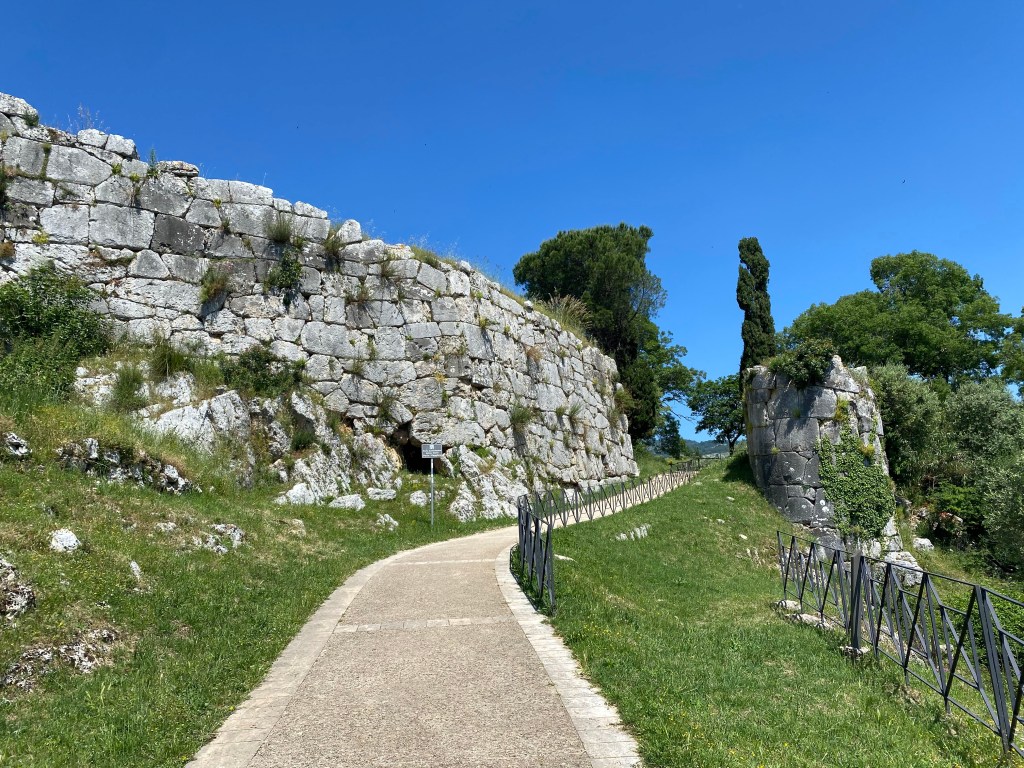
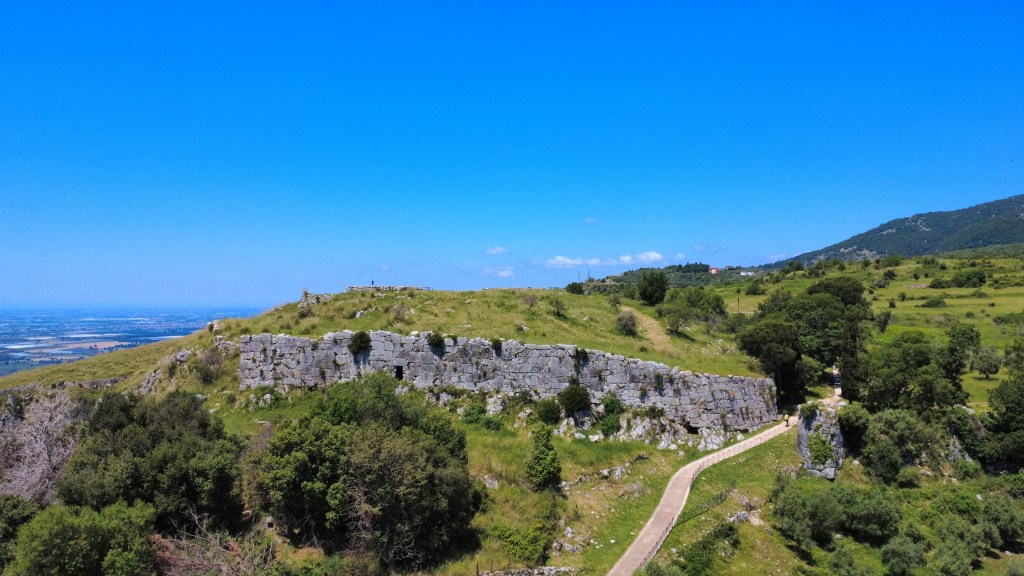
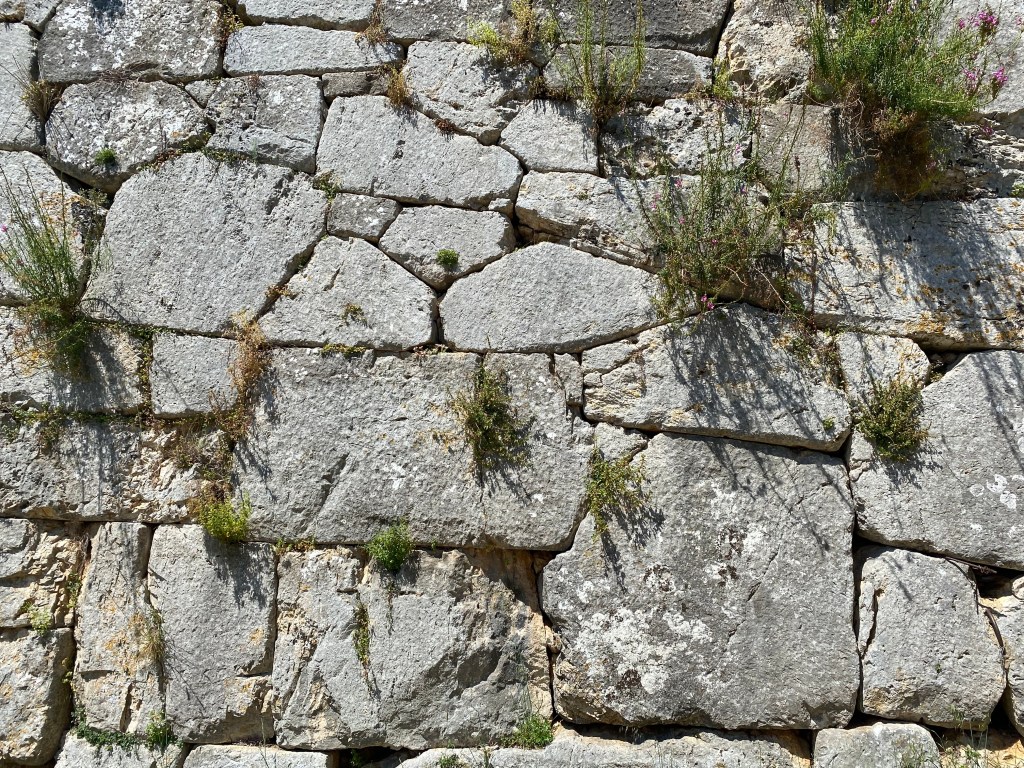
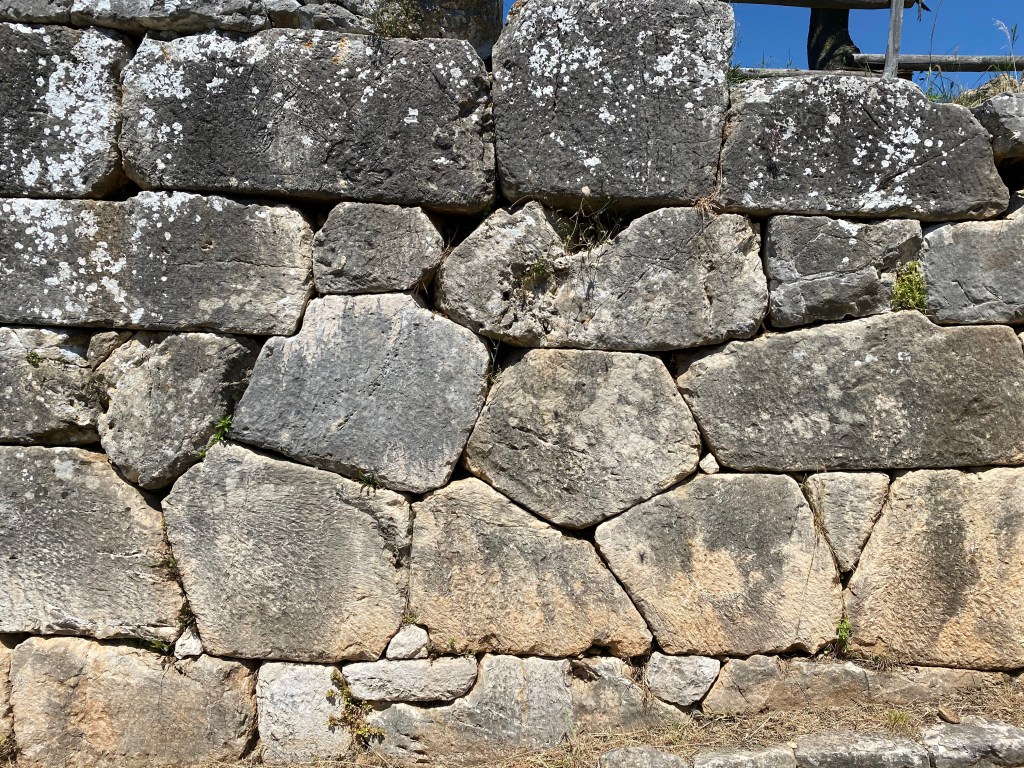
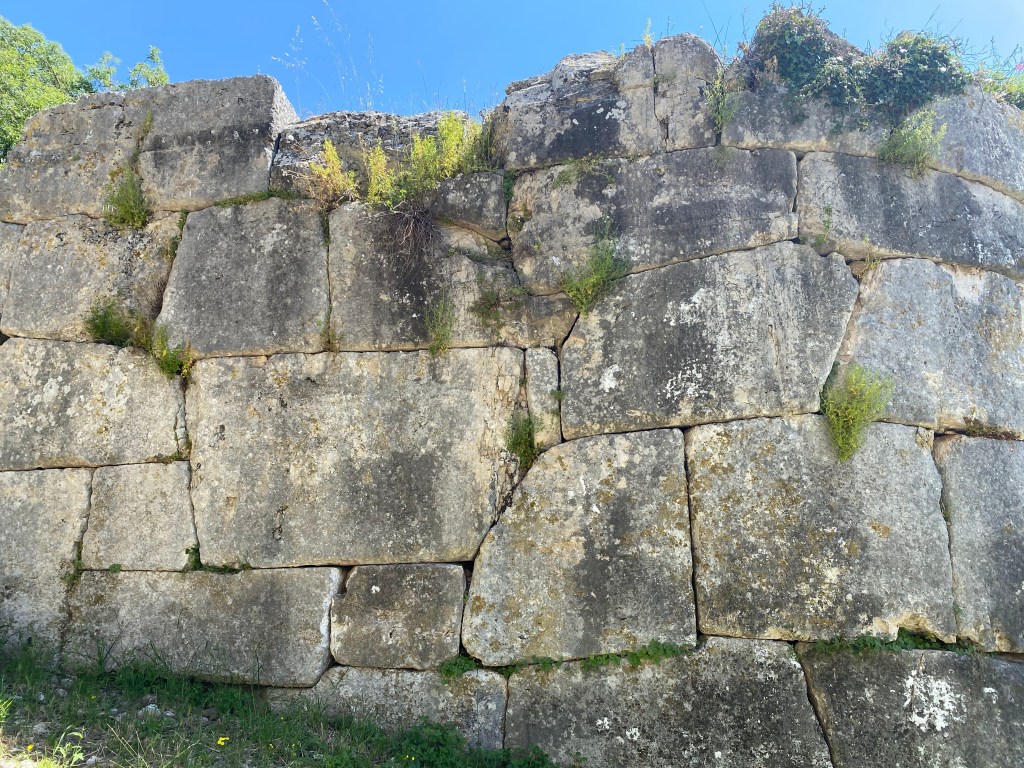
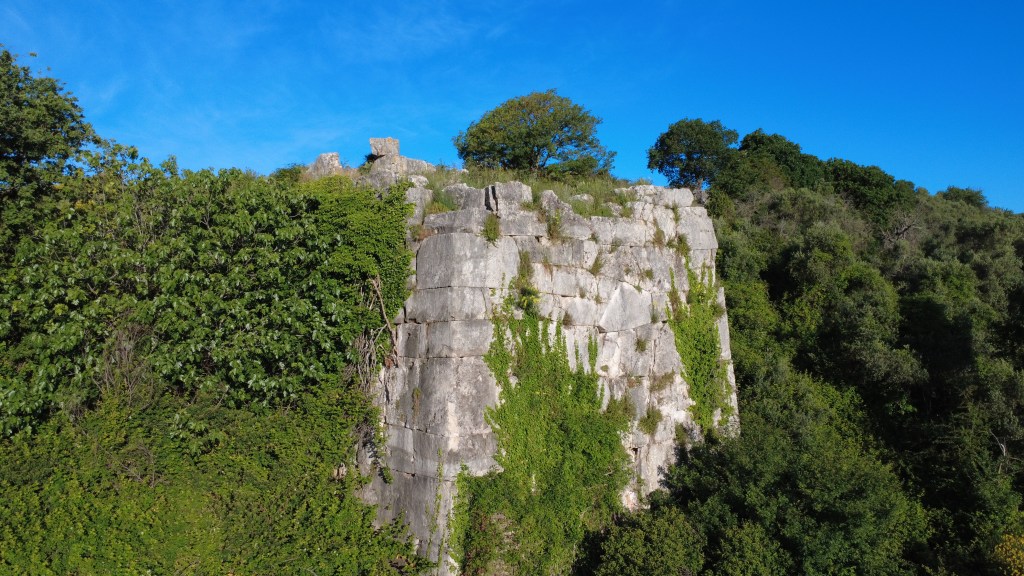

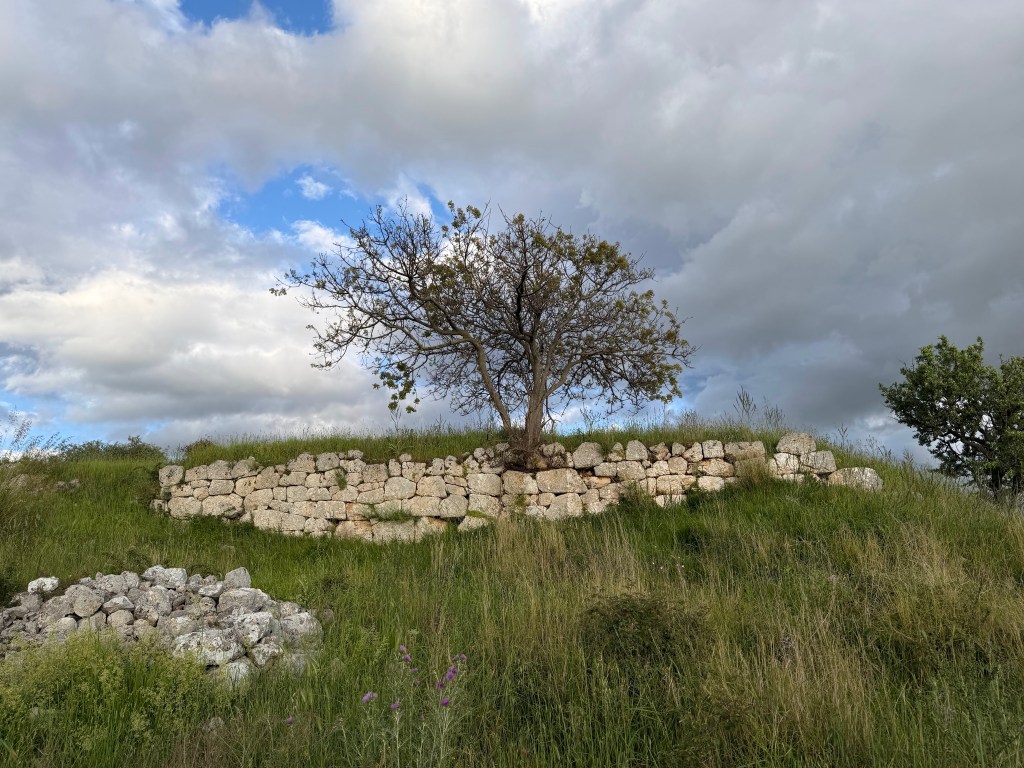
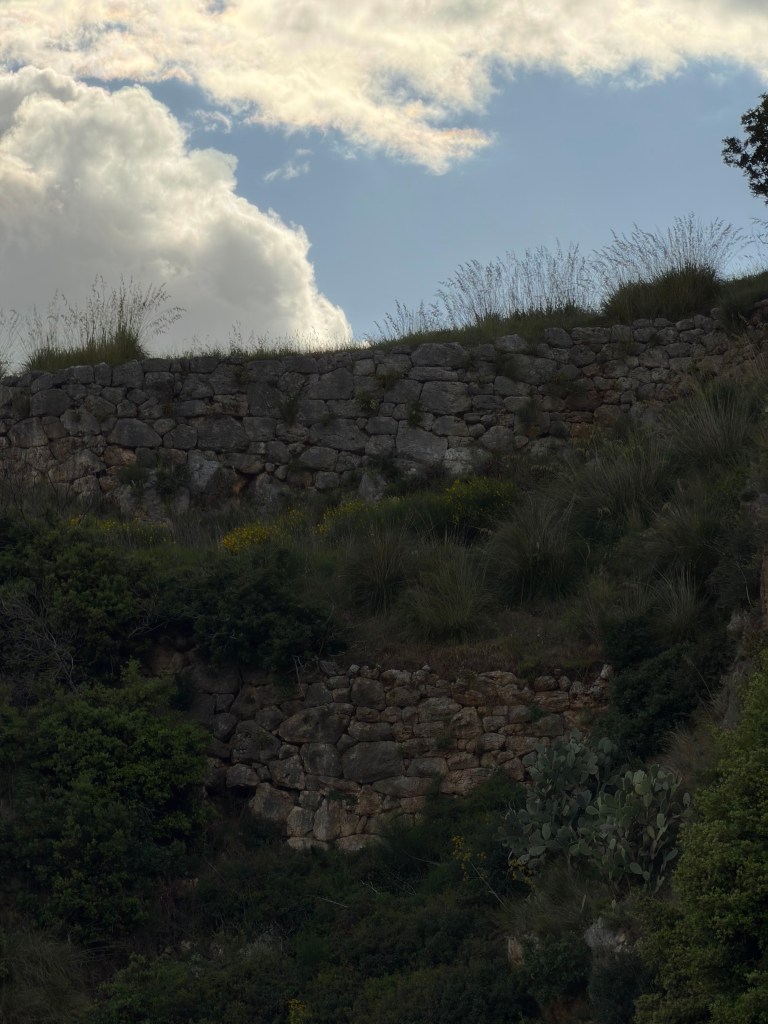

Specific points to see:
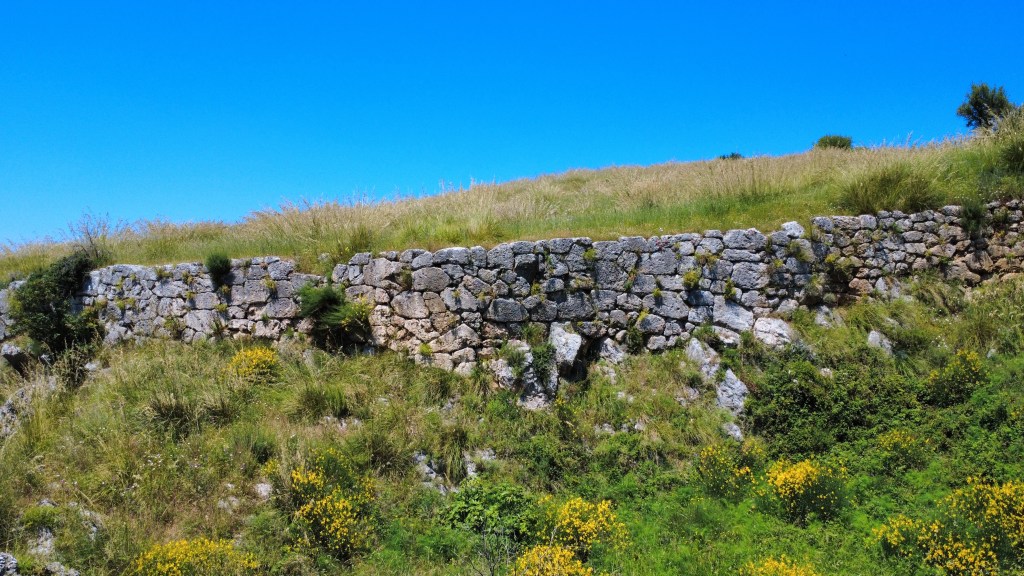
- Parco Archeologico di Norba – Porta Maggiore, La Loggia tower, numerous acropolis pedestals of polygonal masonry, perimeter cliffside polygonal walls and posterns

