
FORMIA
Location: Formia, Lazio (Italy) — 41.2547 N, 13.6063 E
Dating: 4th-3rd centuries BC
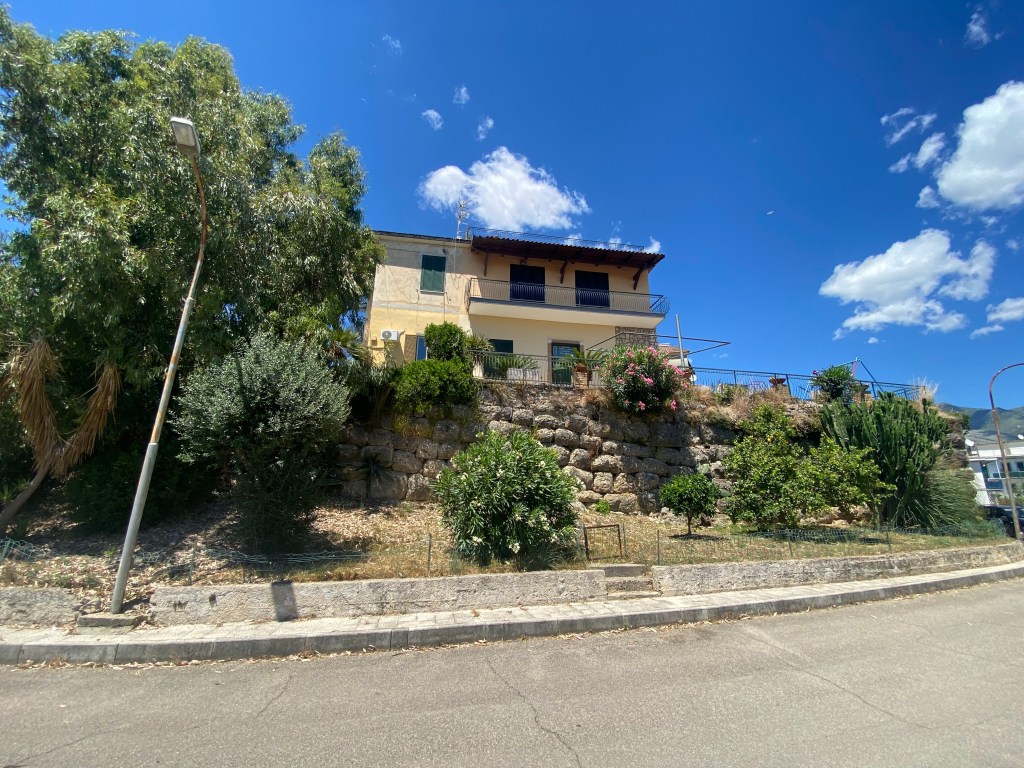
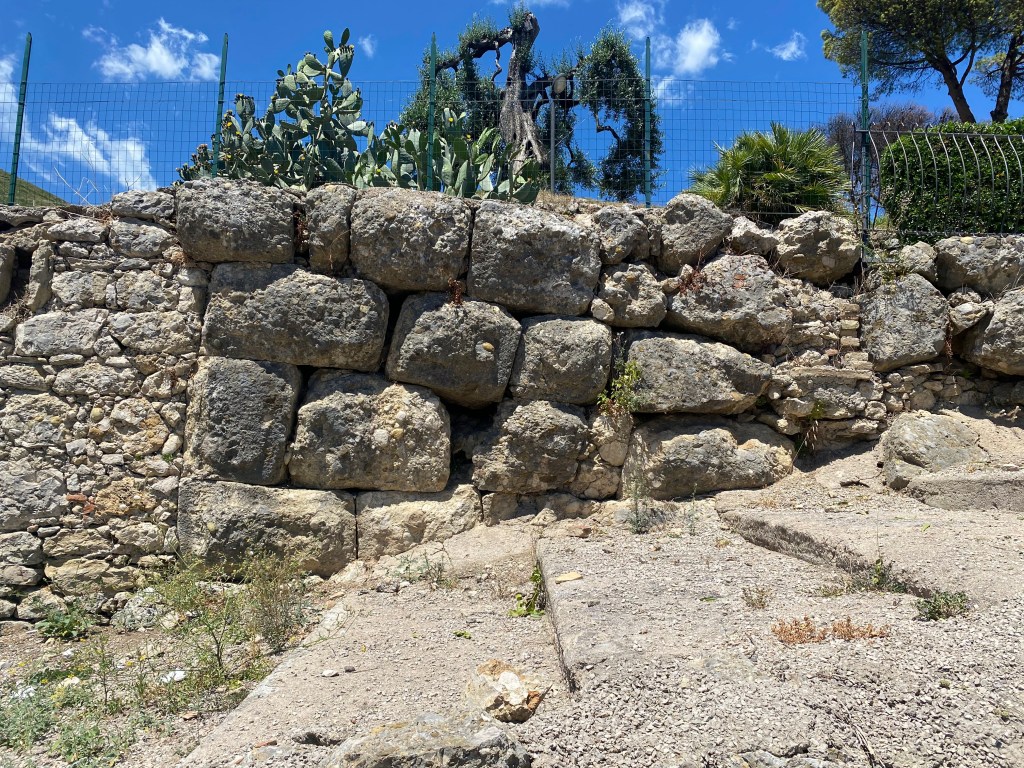
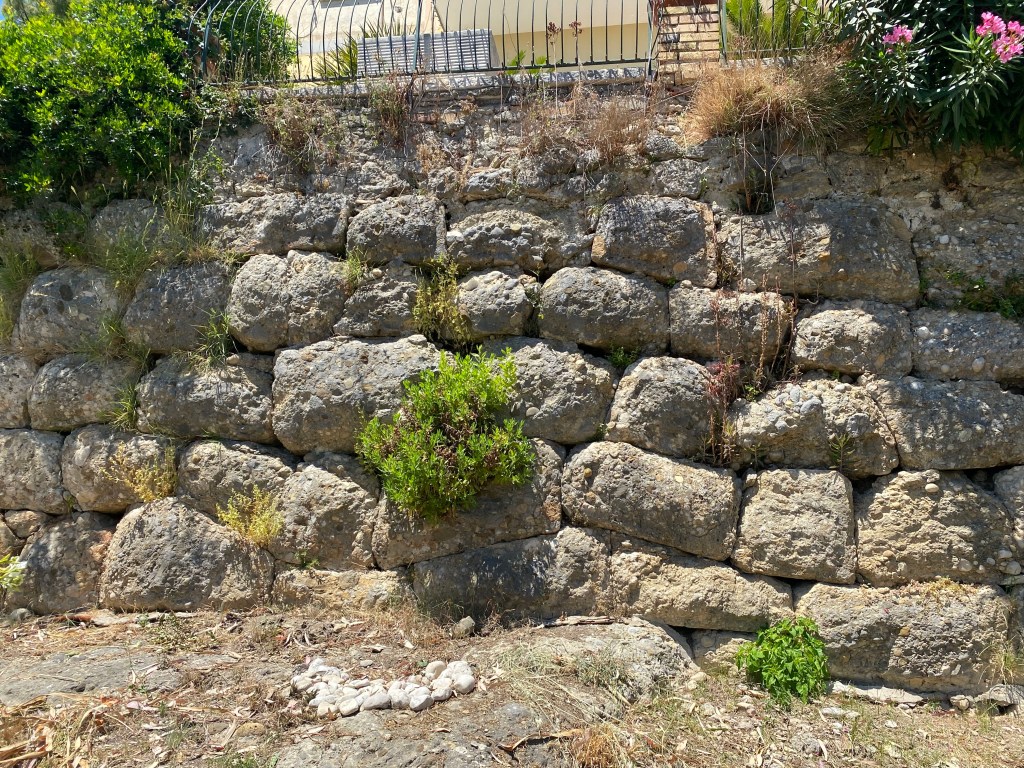
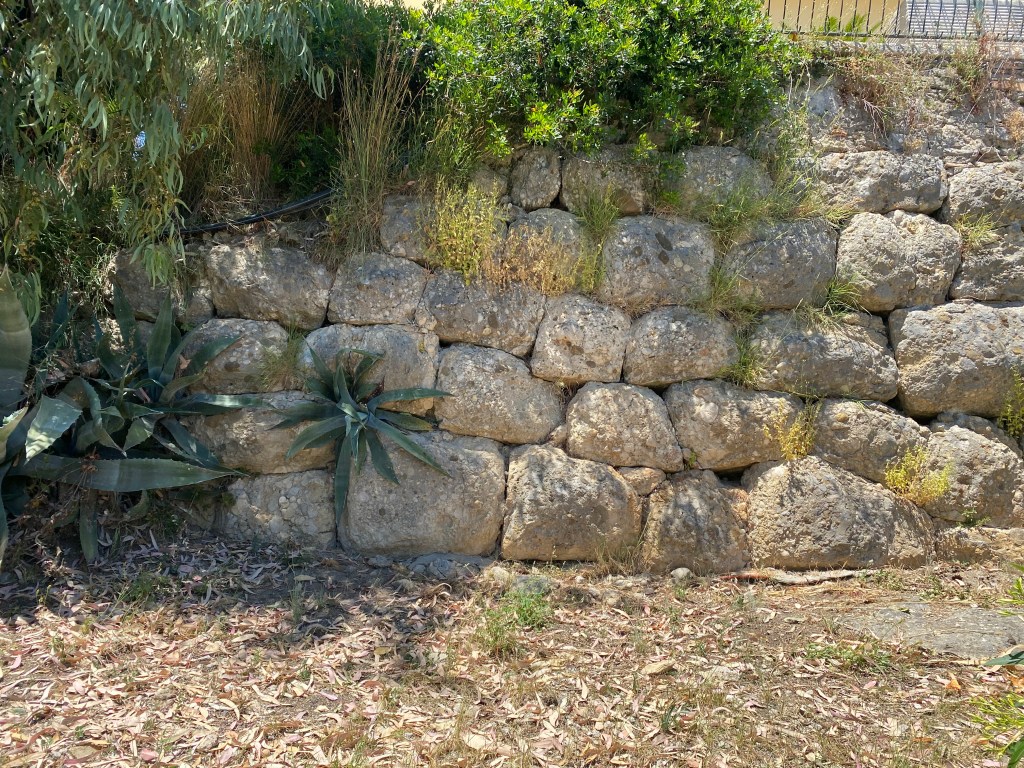
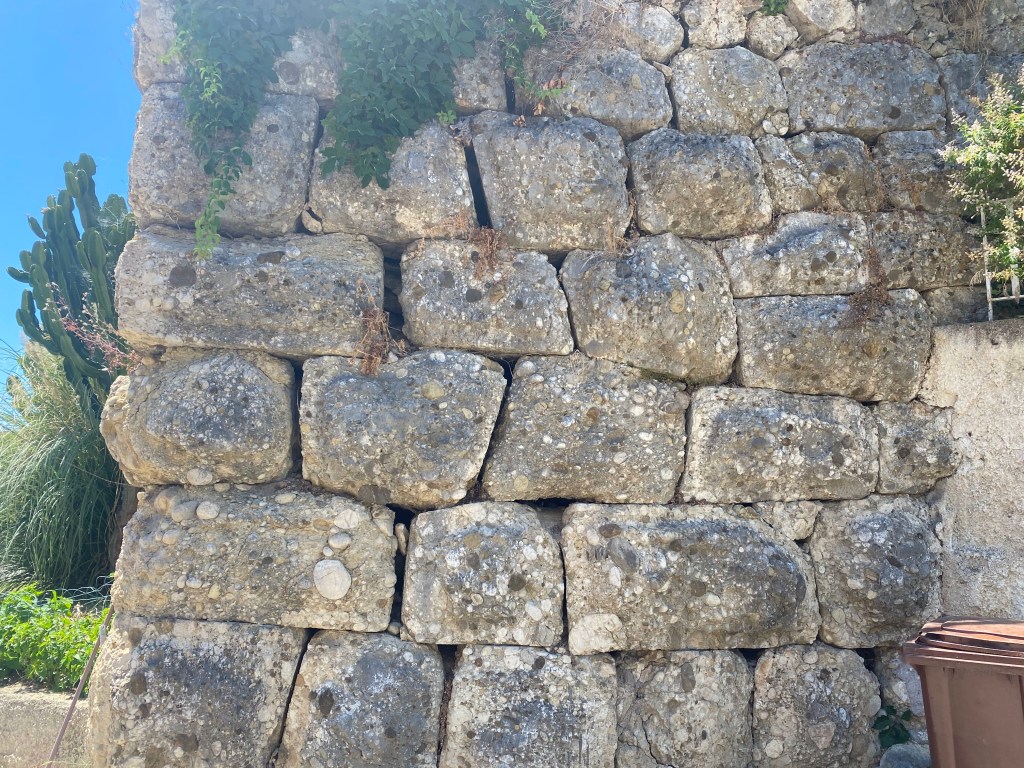
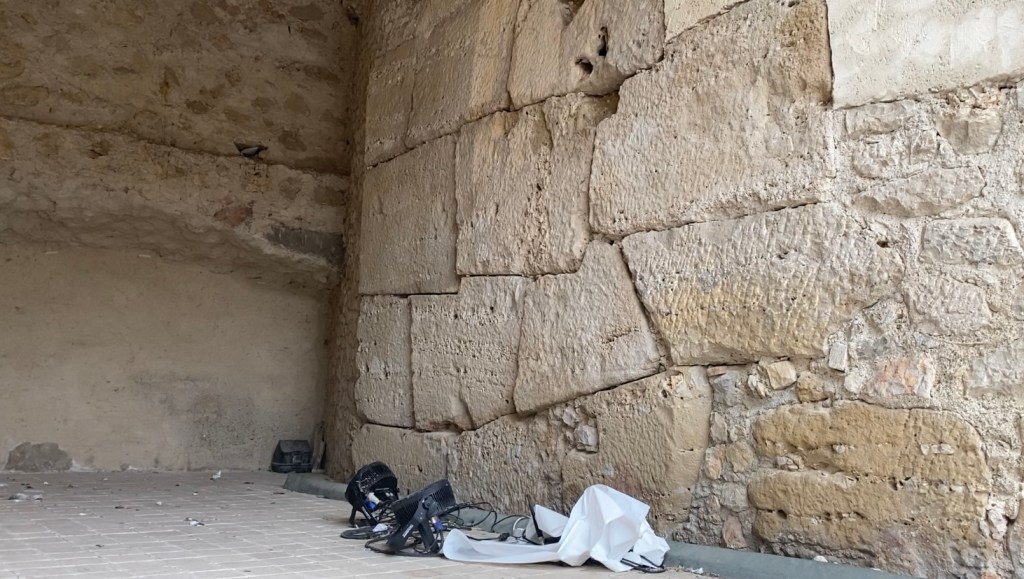
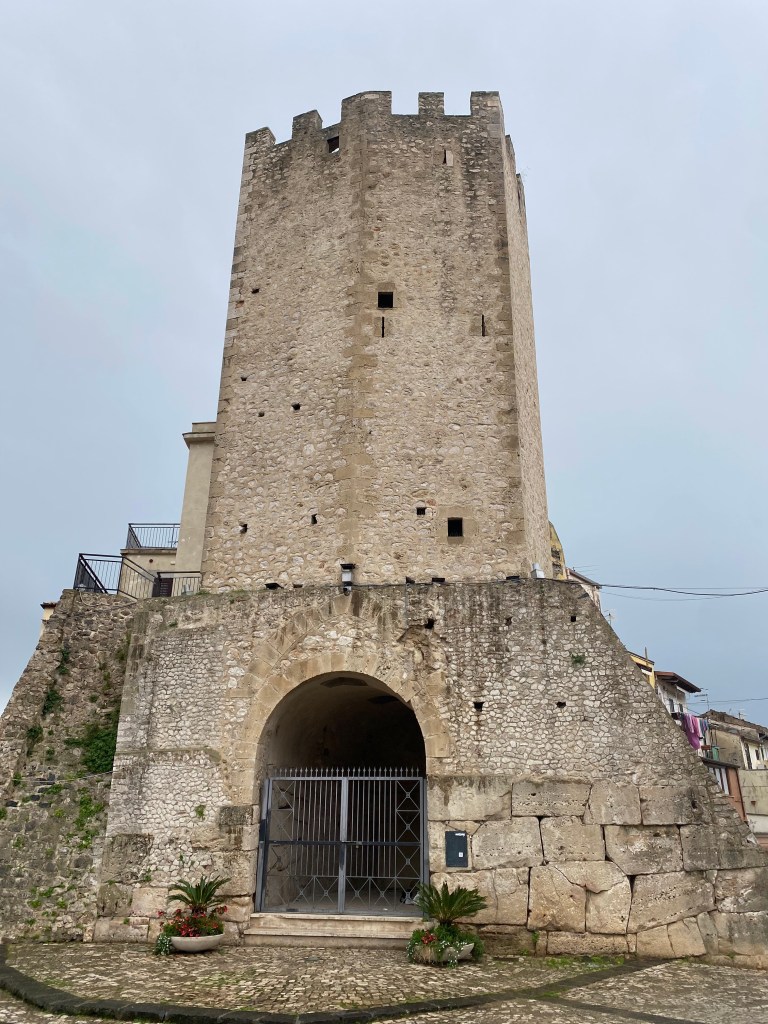
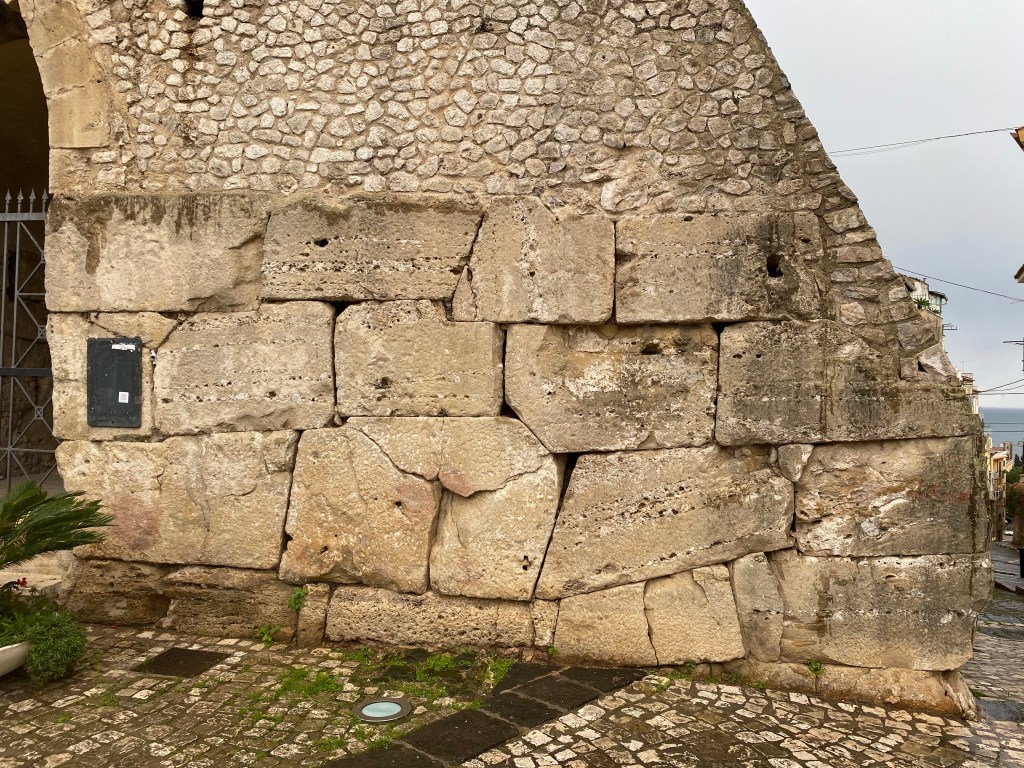
Characteristics: Formia contains the remains of polygonal fortification walls on the slopes above its historic center, particularly in the Castellone district (ancient acropolis zone). The remaining sections of polygonal masonry display various styles which makes dating and attribution more complex. The masonry follows the natural contours of the hill, functioning both as a defensive circuit and terracing support. Portions of the polygonal walls have been incorporated into later Roman and medieval structures. One particular section of impressive size and precise joinery supports the medieval era Torre di Castellone. Another terrace section of wall built with less precise and more rectangular blocks supports a private residence.
Polygonal classification: Types II-IV (Lugli)
Attribution: The polygonal walls are originally associated with the Aurunci, an Italic people inhabiting the region before Roman expansion (Formiae established as Roman colony in 3rd century BC).
Specific points to see:
- Via Solaro
- Torre di Castellone
 Minutiae