
FIAMIGNANO (MARMOSEDIO)
Location: Fiamignano, Rieti (Italy) — 42.2597 N, 13.1236 E
Dating: 2nd century BC
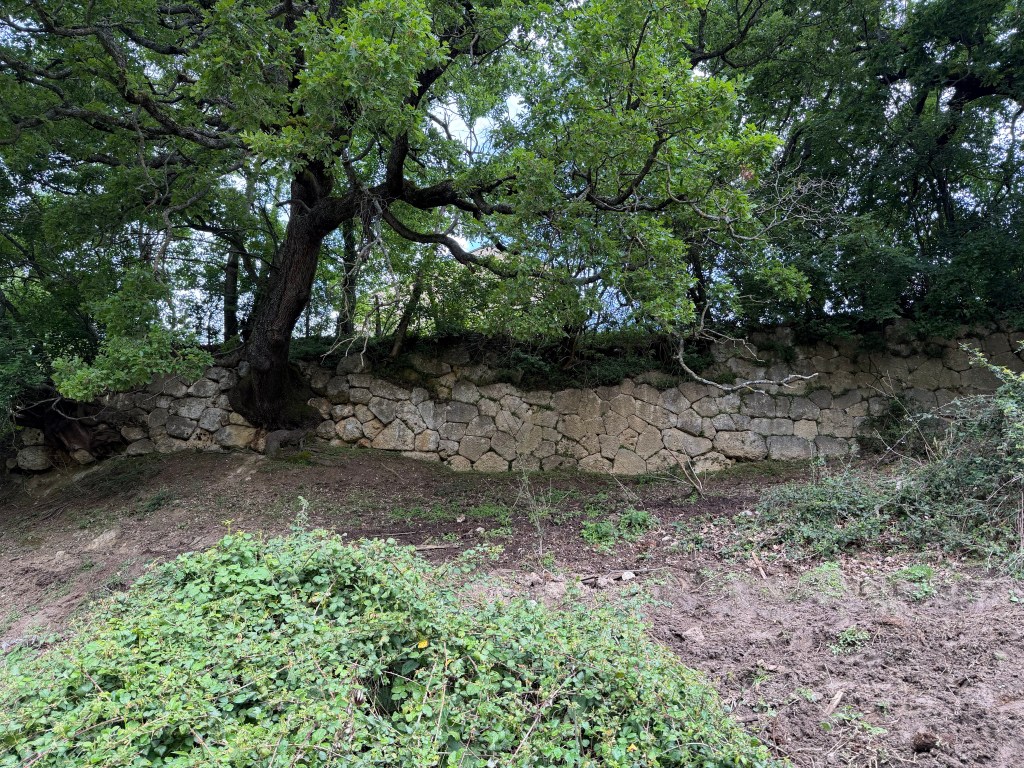
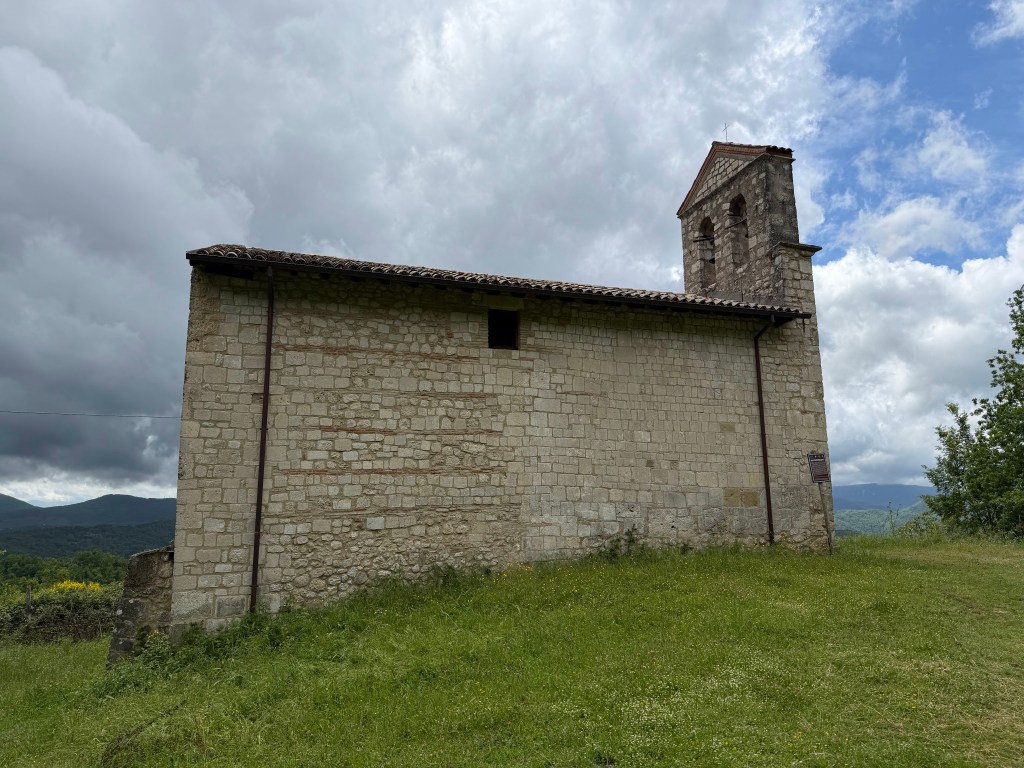
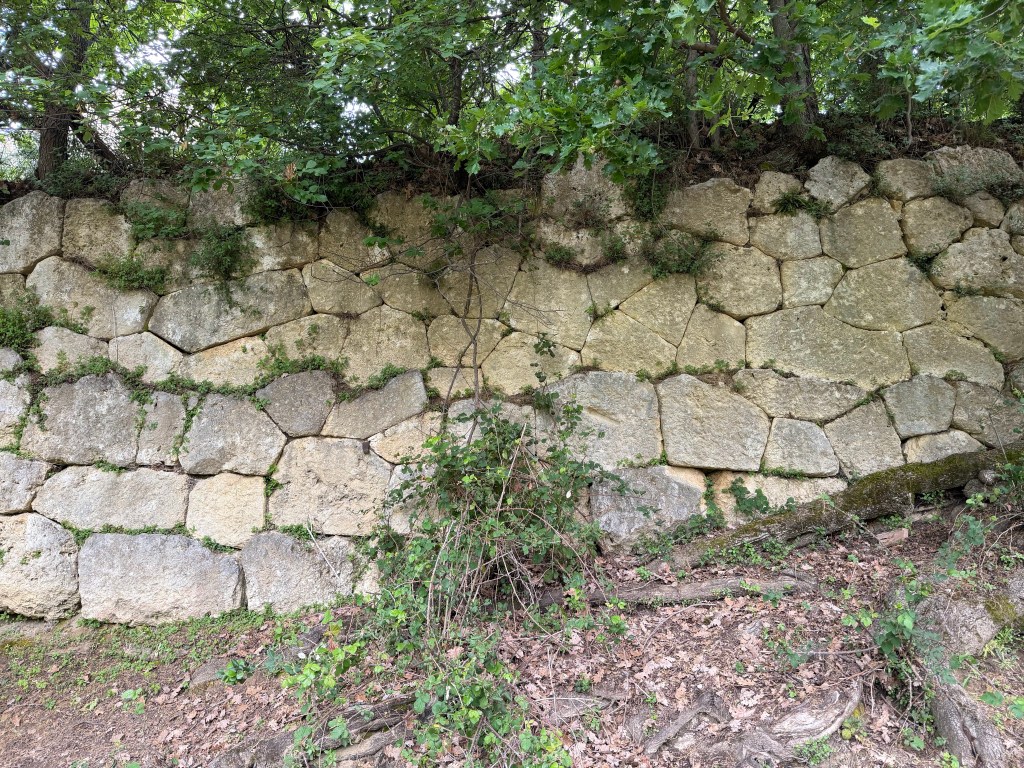
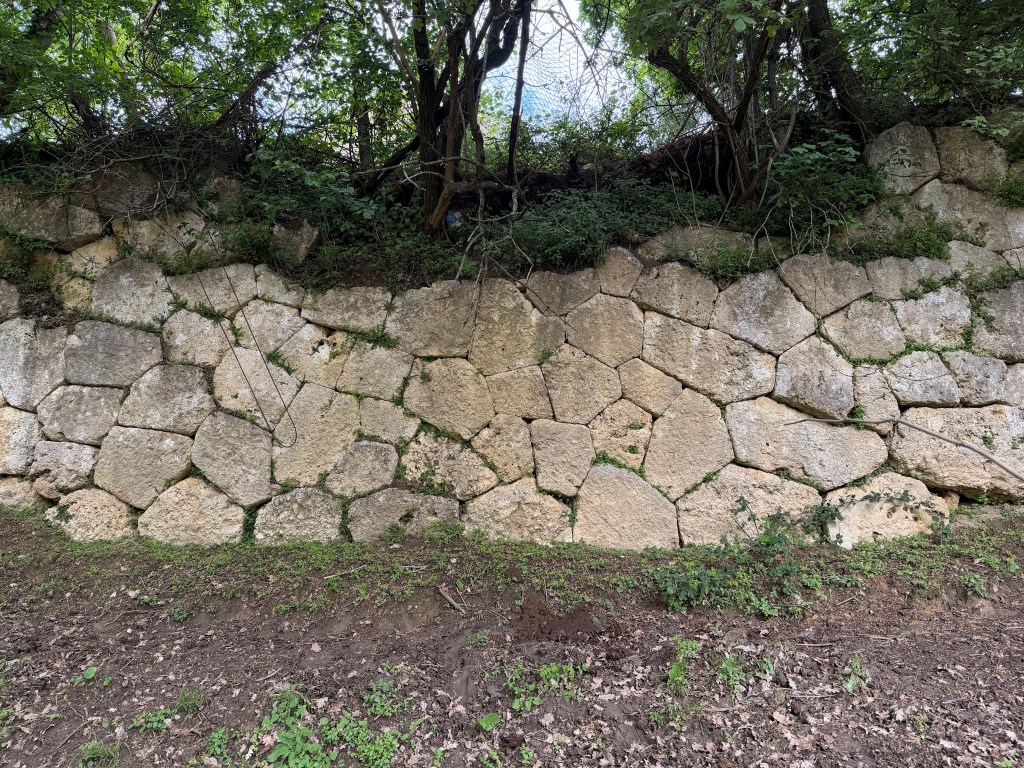
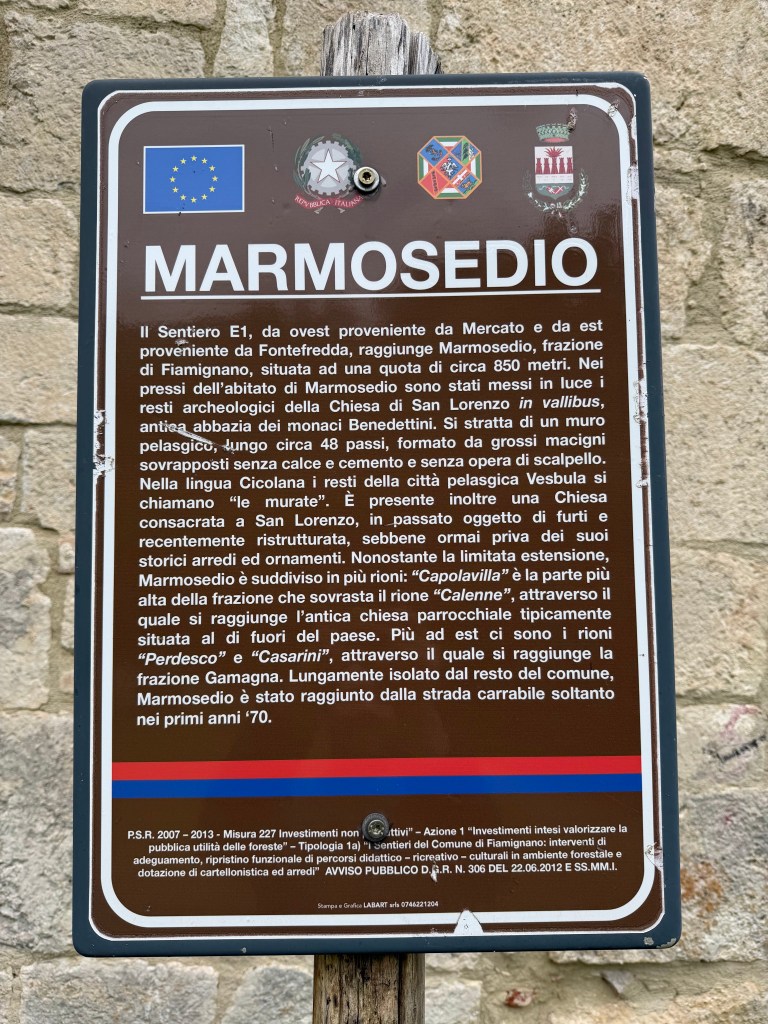
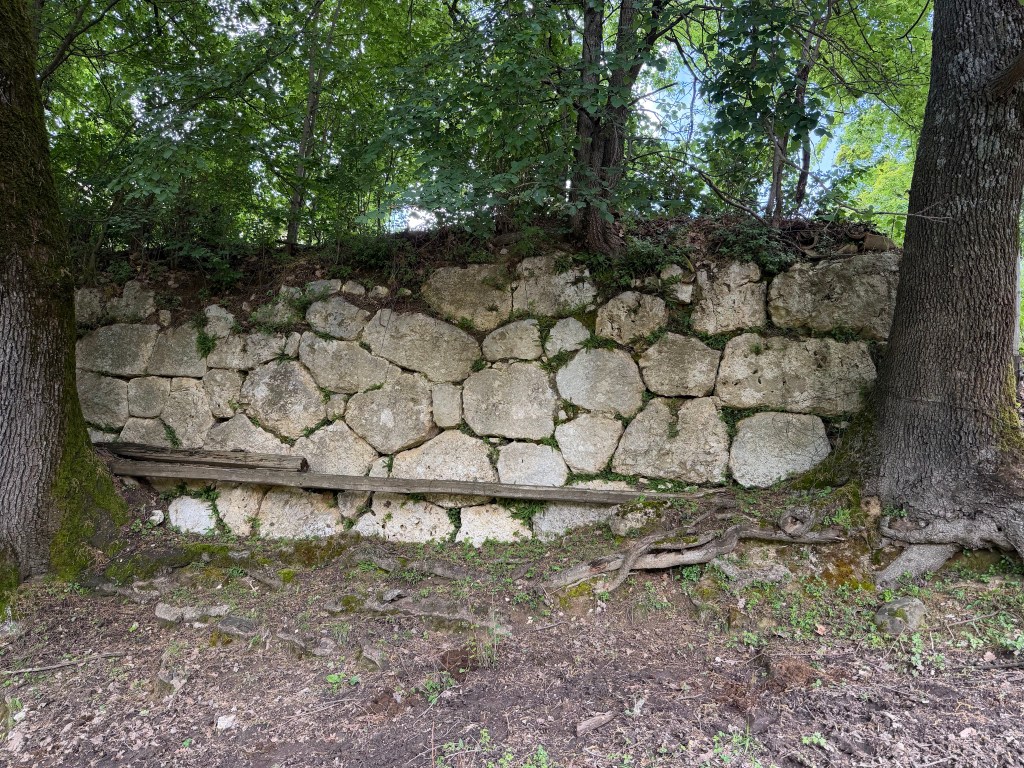
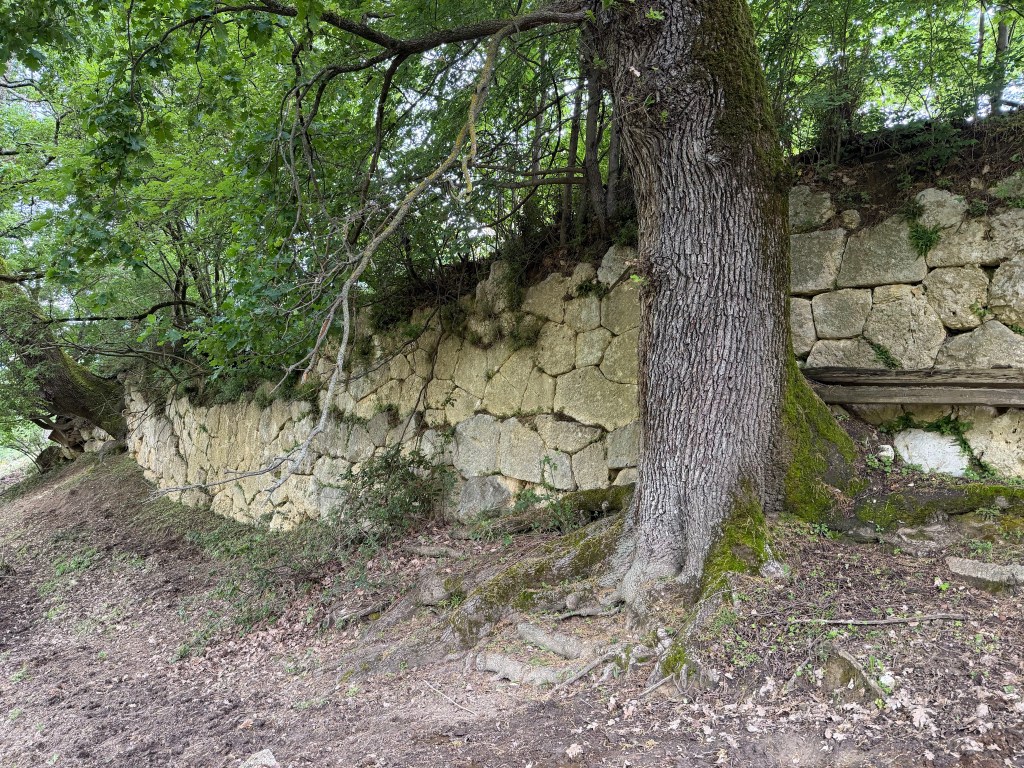
Characteristics: On a slope behind the Church of Saint Lawrence in Fiamignano sits a polygonal wall of impressive precision. Stretching for approximately 30-40 meters one finds tightly fitted polygonal blocks that rival some of the best sites in Italy. One particular block even boasts a curved edge, a type of joint not often seen in polygonal masonry due to its complex nature. The blocks are small to moderately sized. As is typical of lone polygonal wall terraces, later structures were built over top taking advantage of the supported foundation. In some cases these structures were Roman villas or later, medieval era churches. Interesting, only fifteen minutes away by car sits another polygonal terrace high up on the nearby Monte la Serra. Below you can find more details about Fiamignano’s sister site.
Polygonal classification: Type II-III (Lugli)
Attribution: Attribution is debated but is traditionally given to the Aequi before Roman Republican era use.
Specific points to see:
- Chiesa di San Lorenzo
FIAMIGNANO (MONTE LA SERRA)
Location: Fiamignano, Rieti (Italy) — 42.2763 N, 13.1473 E
Dating: 2nd-1st centuries BC
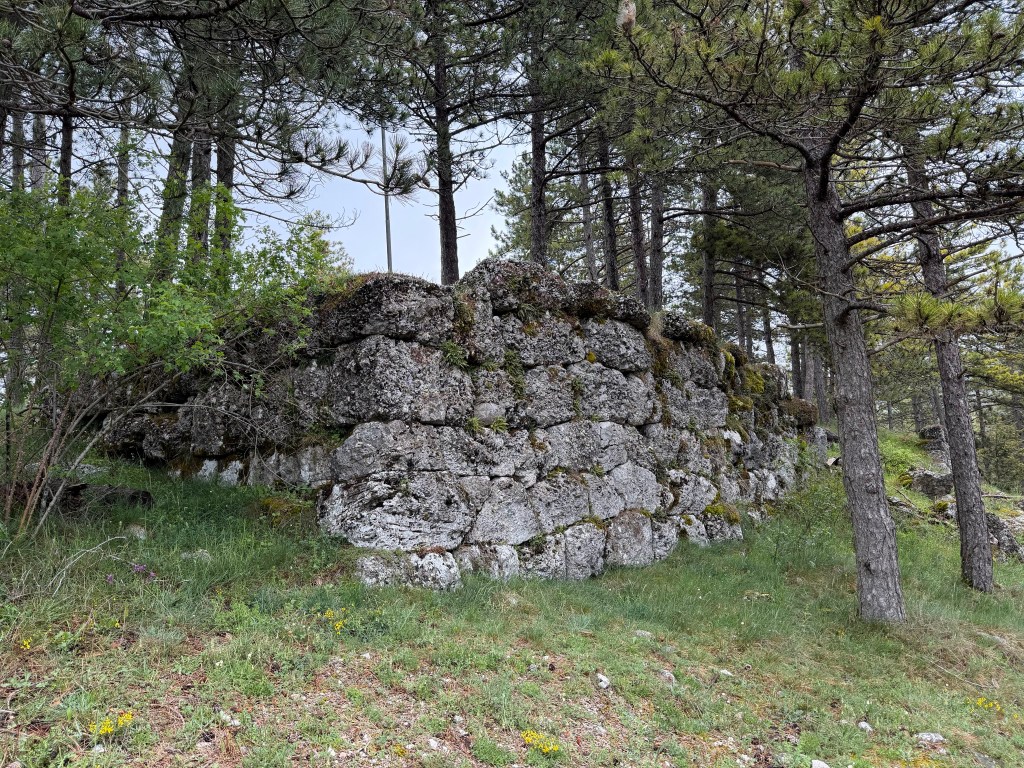
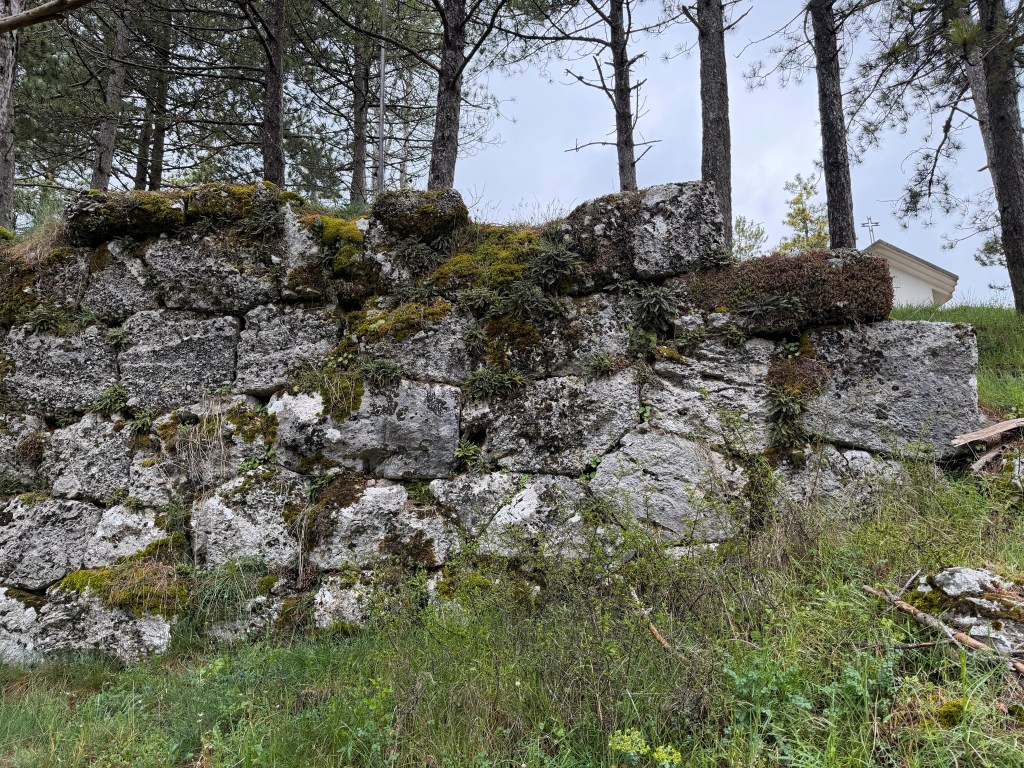
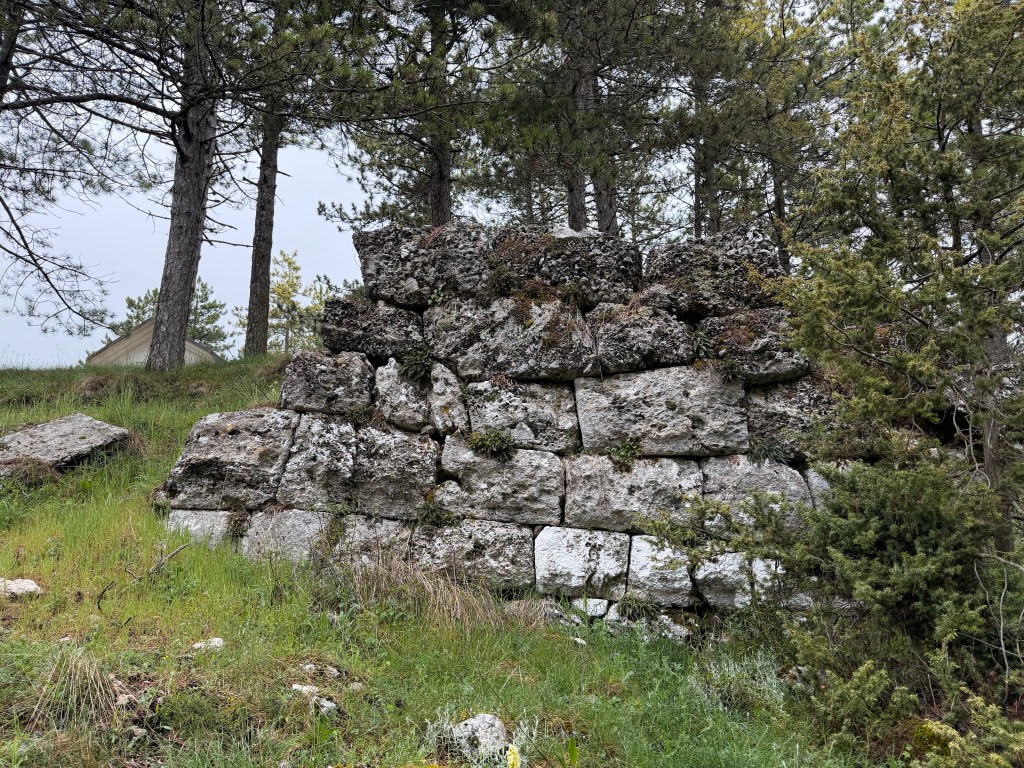
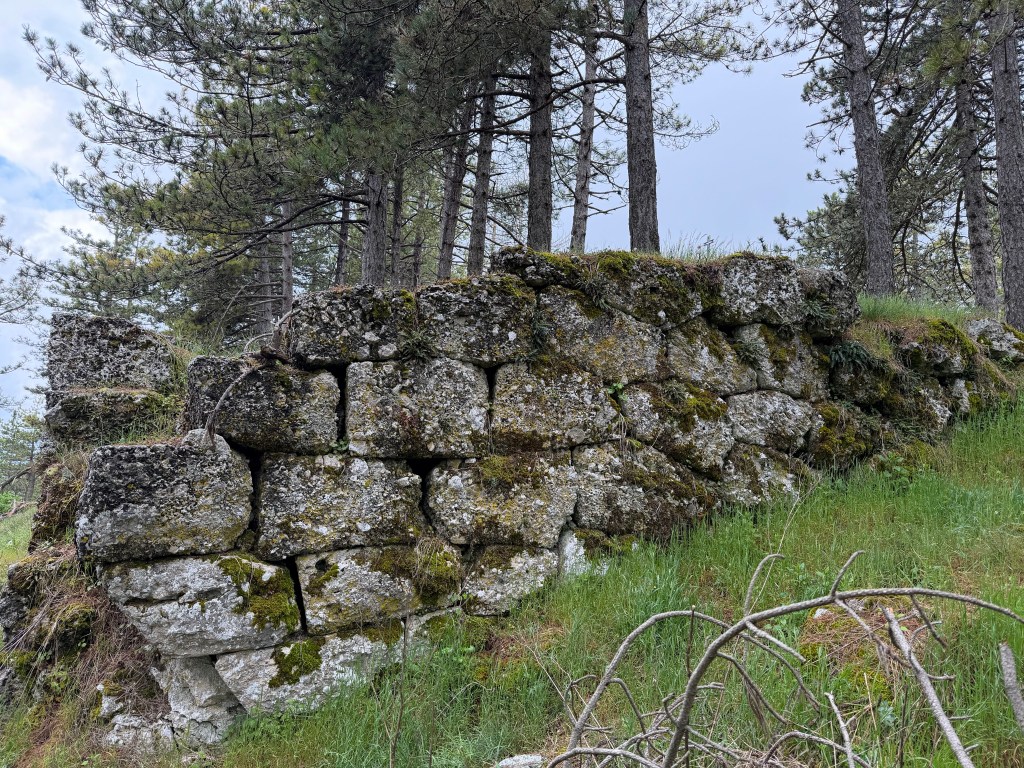
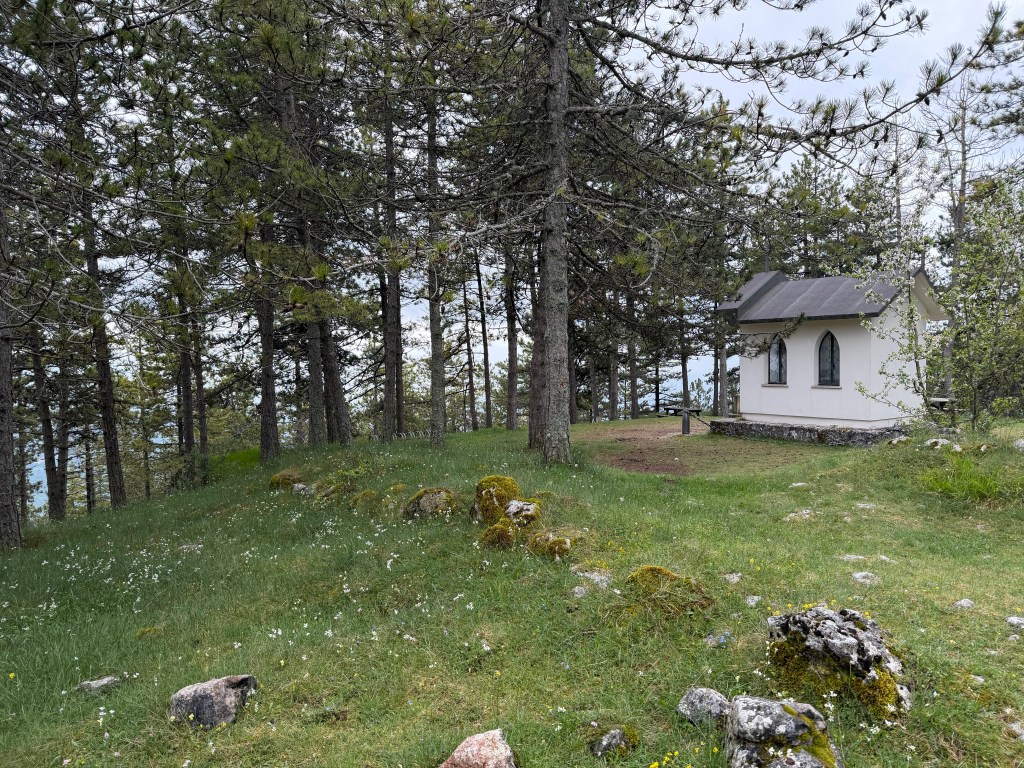
Characteristics: On Monte la Serra sits a little known terrace of polygonal stonework. Extending for approximately 30-40 meters, the terrace is broken in the middle by an earlier collapse. The style of masonry and stone-type is different than that seen at the neighbouring Church of St. Lawrence. The blocks are more rectangular and are arranged in more consistent courses. They still include, however, typical polygonal hallmarks: inverted triangles and angled joints to lock others in place. A small chapel (Chiesetta Alpina) was built relatively recently above the terrace making use of the flat ground. The location and later religious association have led many scholars to interpret the structure as an Italic sanctuary platform rather than a fortified enclosure. Nearby epigraphic finds have been interpreted as evidence for cult activity, including possible association with Jupiter Optimus Maximus.
Polygonal classification: Types III-IV (Lugli)
Attribution: The Aequi are attributed with its construction with further use under Roman Republican administration.
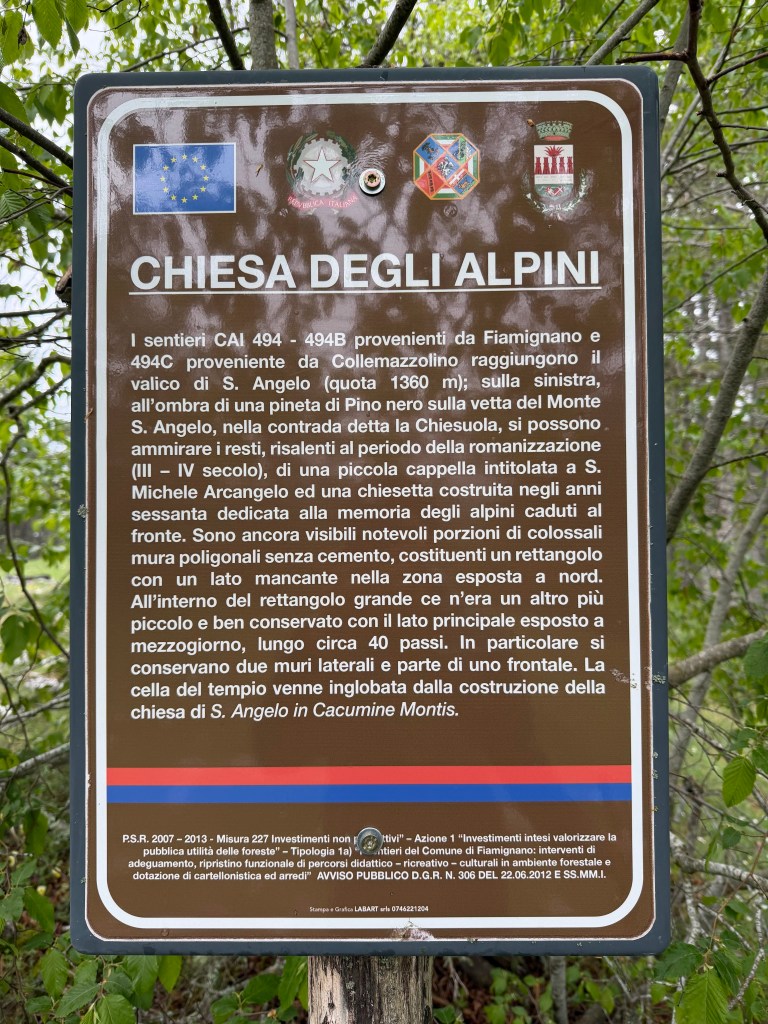
Specific points to see:
- Chiesetta Alpina
 Minutiae