
FERENTINO
Location: Ferentino, Frosinone, Lazio (Italy) — 41.4135 N, 13.1526 E
Dating: 6th-1st centuries BC
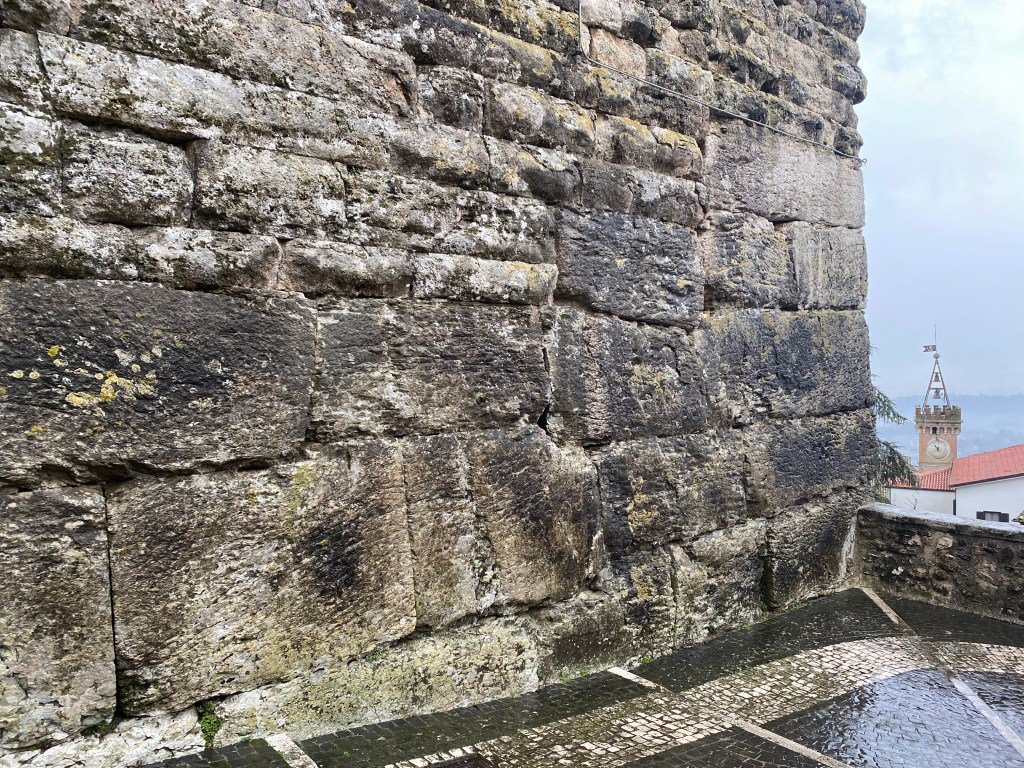
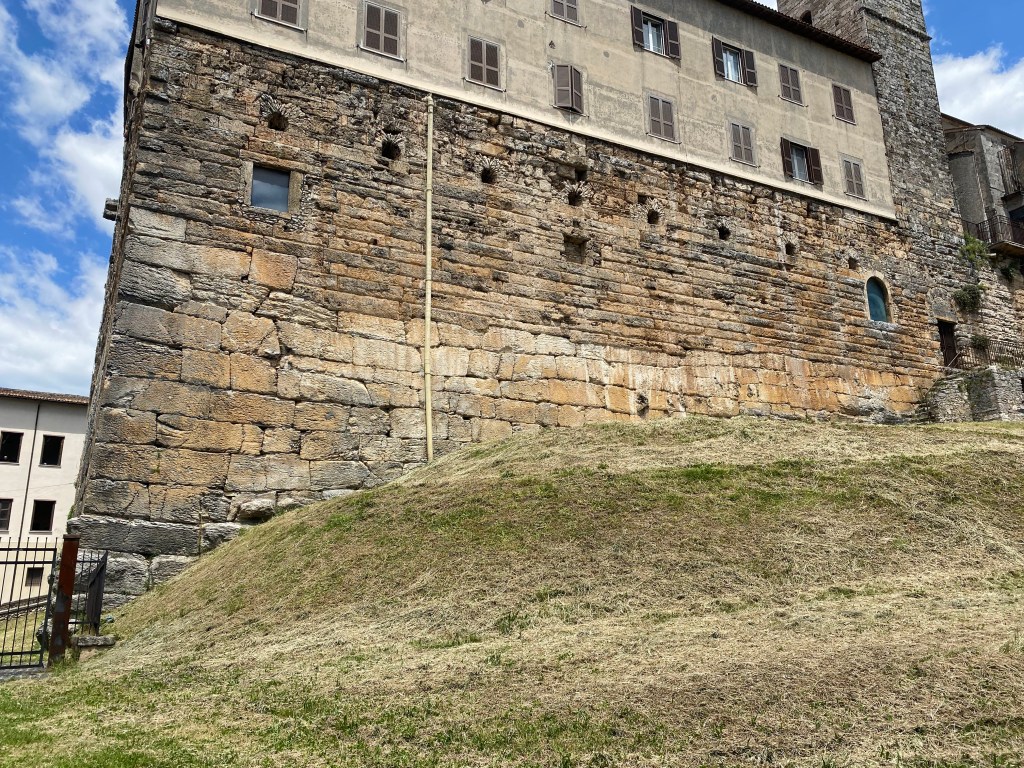
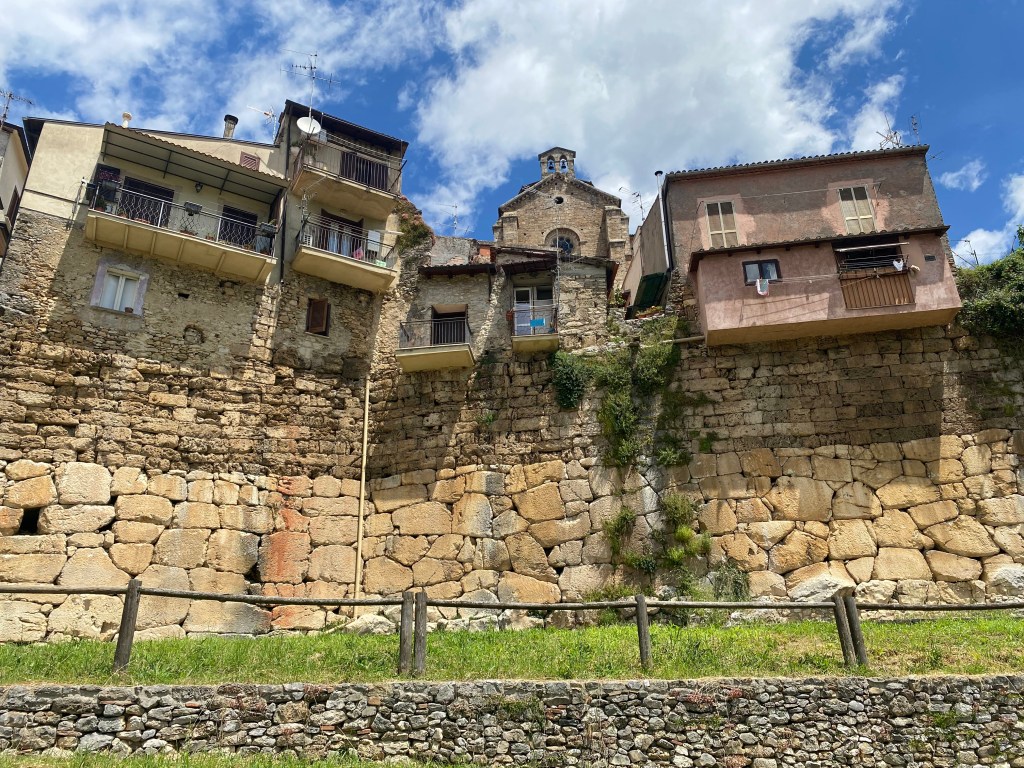
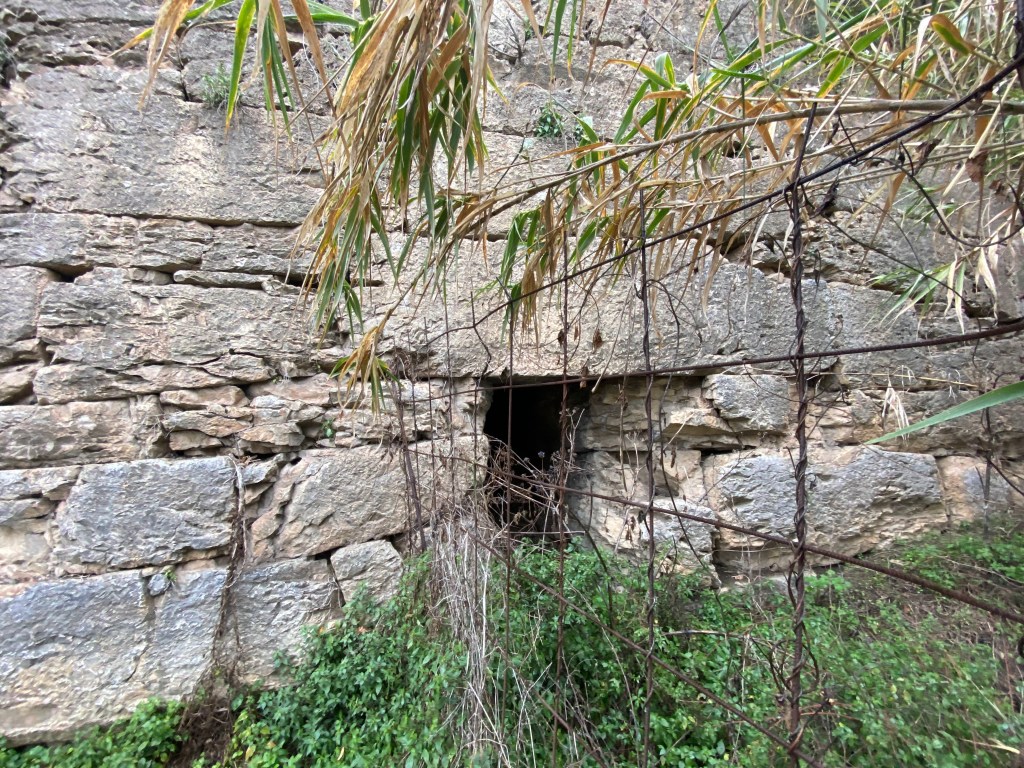
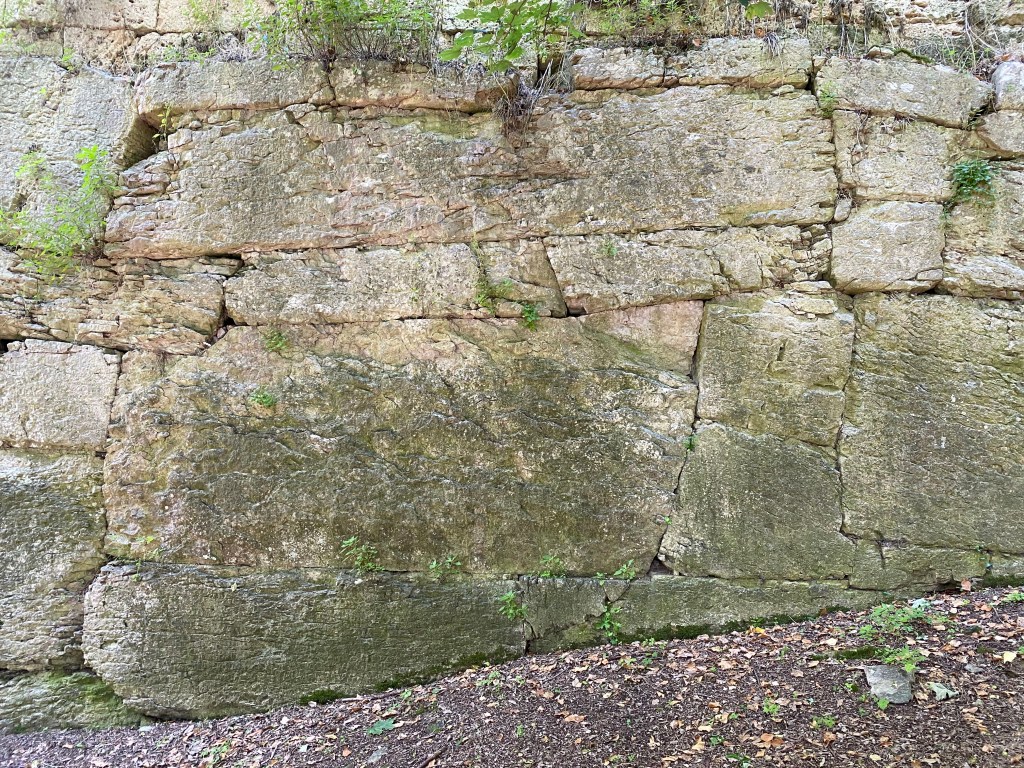
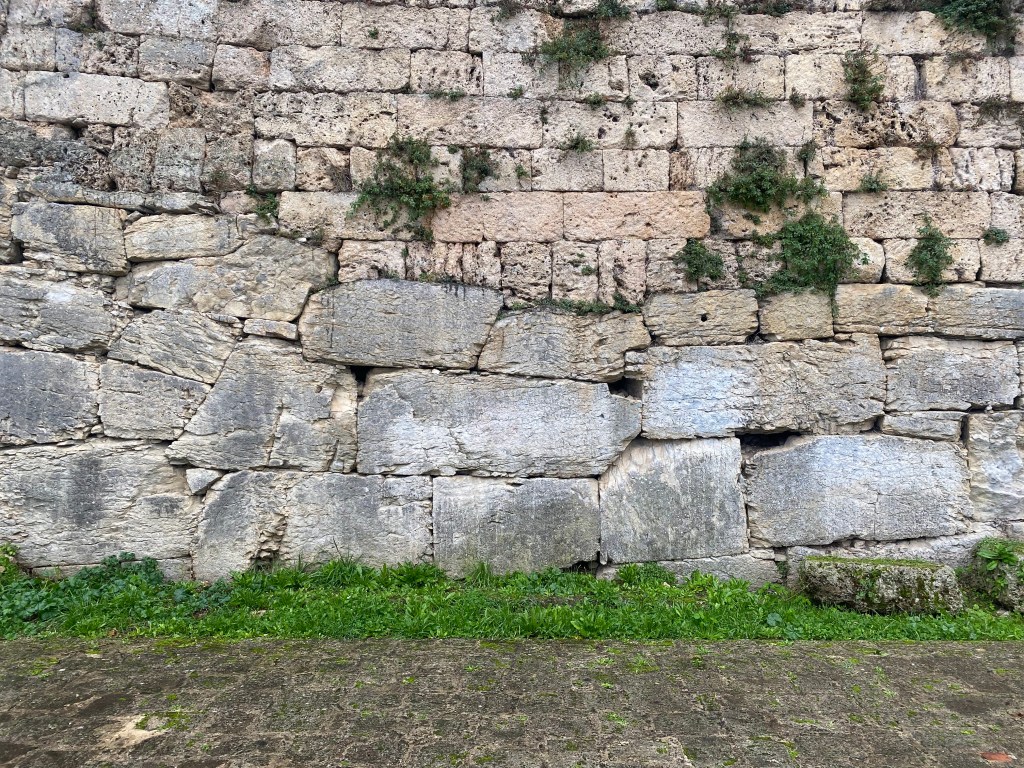
Characteristics: Modern town surrounded by an extensive circuit of massive polygonal walls approximately 2.5km long broken by numerous large gateways and posterns. Within the outer walls are a considerable number of polygonal wall sections and a large acropolis 15 meters high which only partially remains. The site originally had a triangular layout with the acropolis at its center, but the Romans changed this after taking control. Ferentino is also home to a unique underground tunnel system made of polygonal masonry which extends from the acropolis to the outer walls.
Polygonal classification: Types II-IV (Lugli)
Attribution: The site is attributed to the pre-Roman people of the region (most likely the Hernici) with more established Roman influence after the 3rd century BC. More specifially, the lower polygonal sections of wall are dated to the 6th-4th centuries BC before the Romans refurbished the site after the 2nd century BC by adding squared opus quadratum.
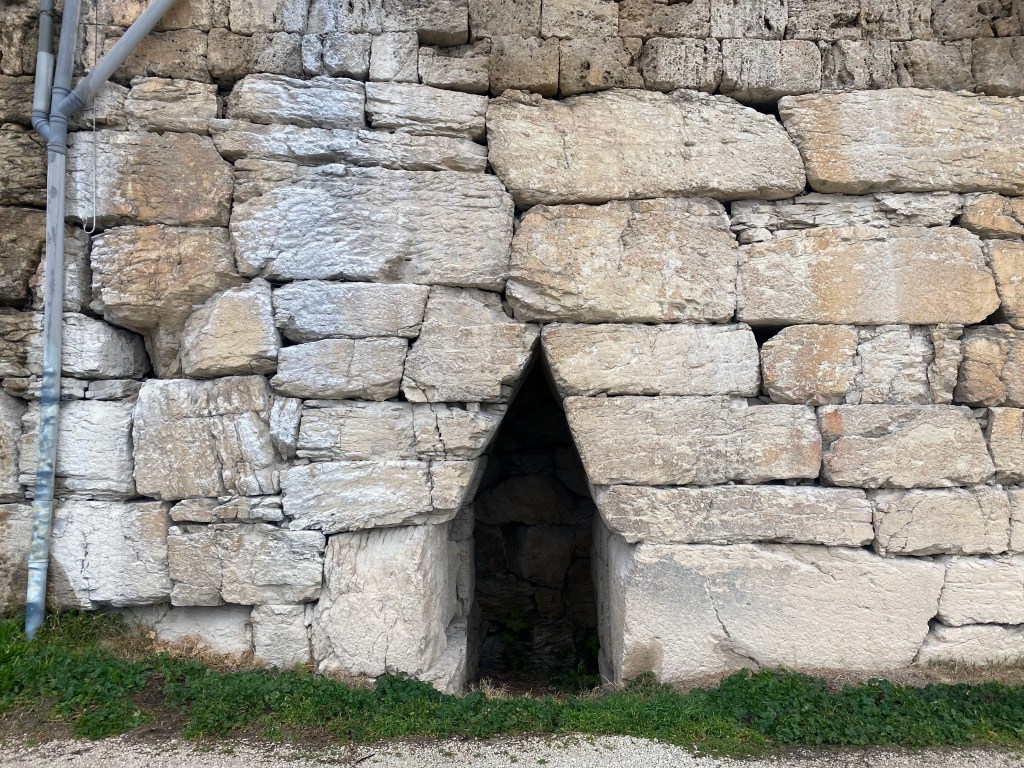
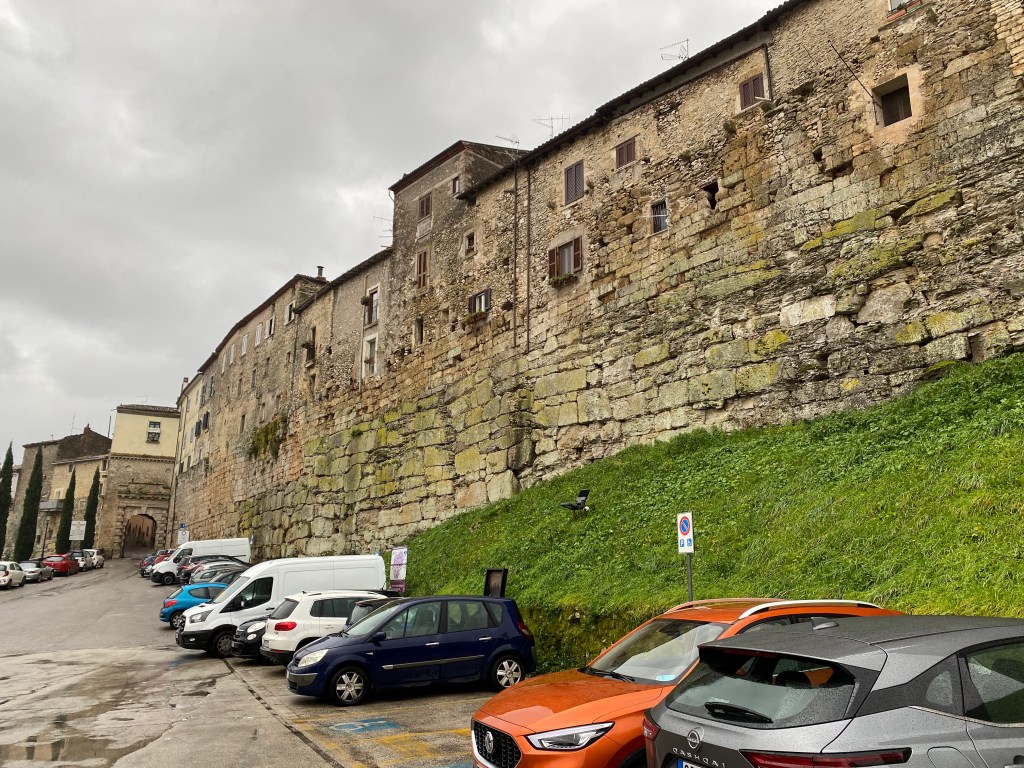
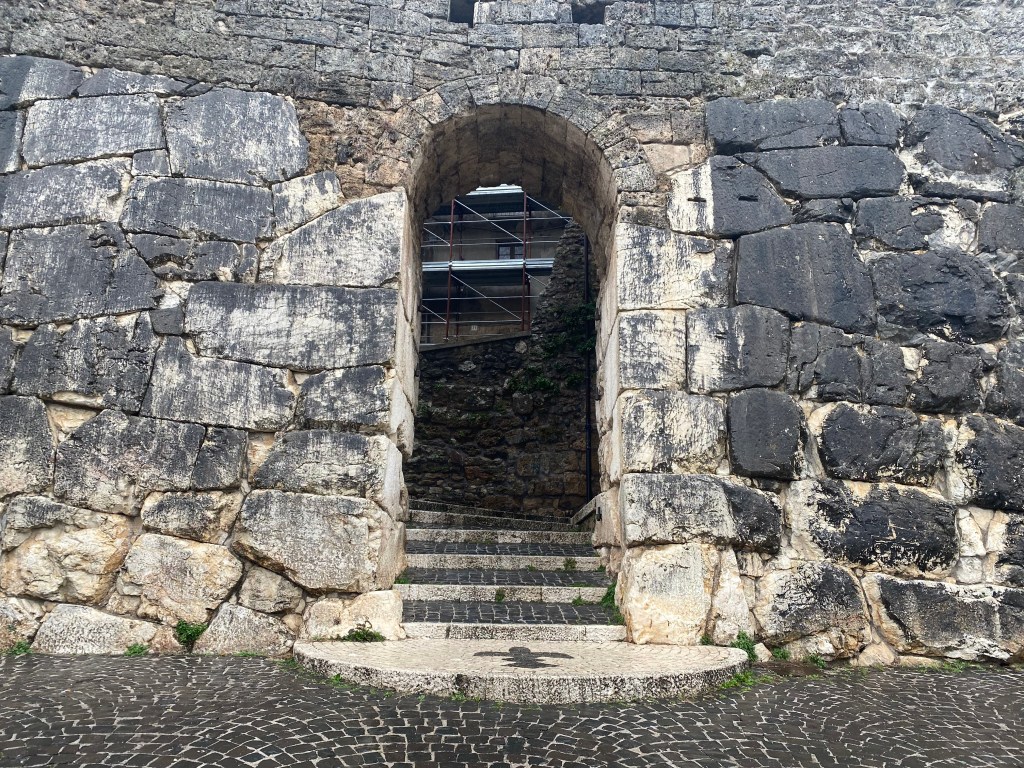
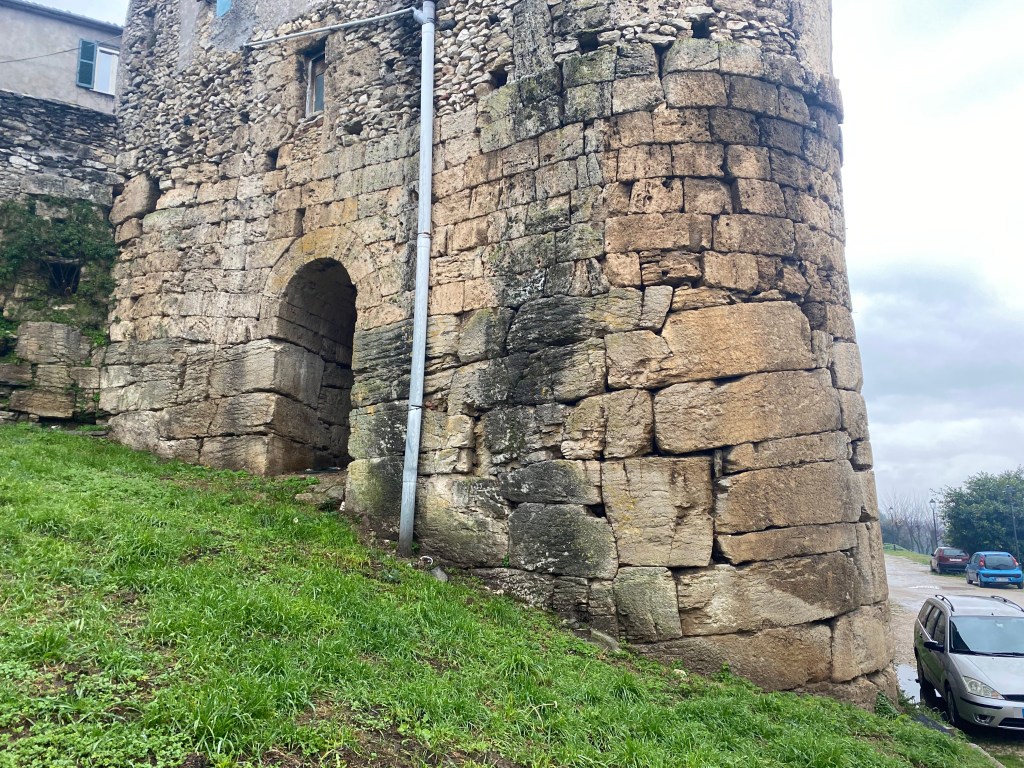
Specific points to see:
- Acropolis and Via Antica Acropoli
- Porta Montana and Via Consolare
- Porta San Francesco
- Porta Sanguinaria and Via Pio IX
- Via Mura Ciclopee
- Piazza Valeria Procula
- Circonvallazione Alberto Lolli Ghetti
 Minutiae