
CORI
Location: Cori, Lazio (Italy) — 41.6429 N, 12.9133 E
Dating: 6th–4th centuries BC
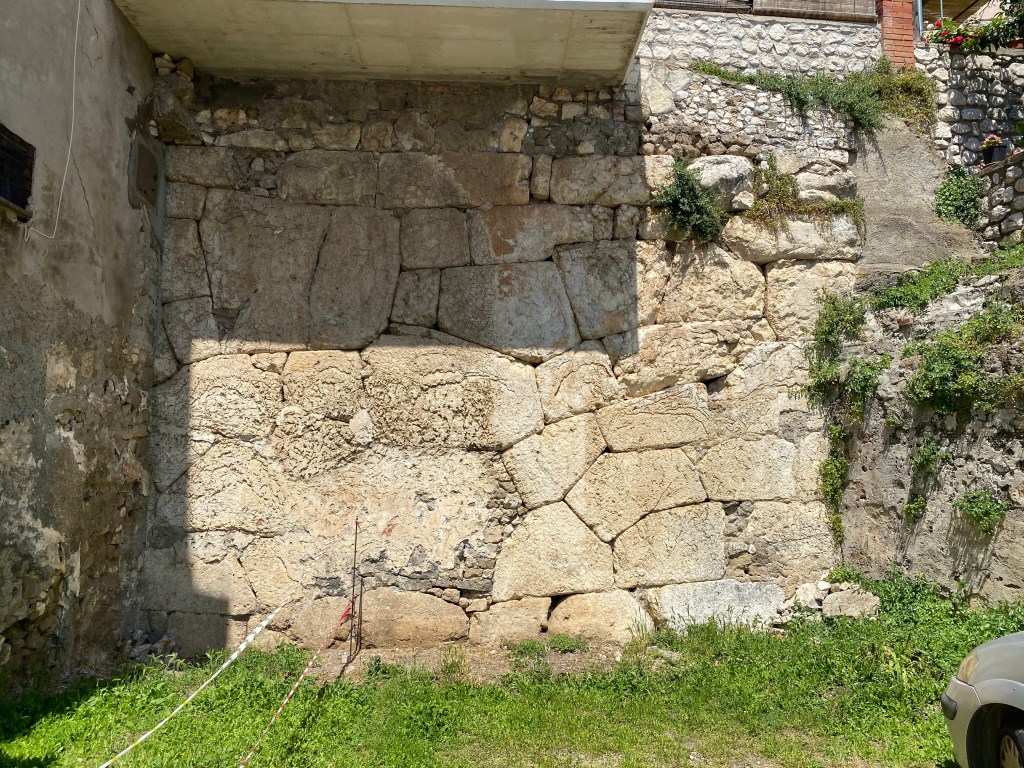
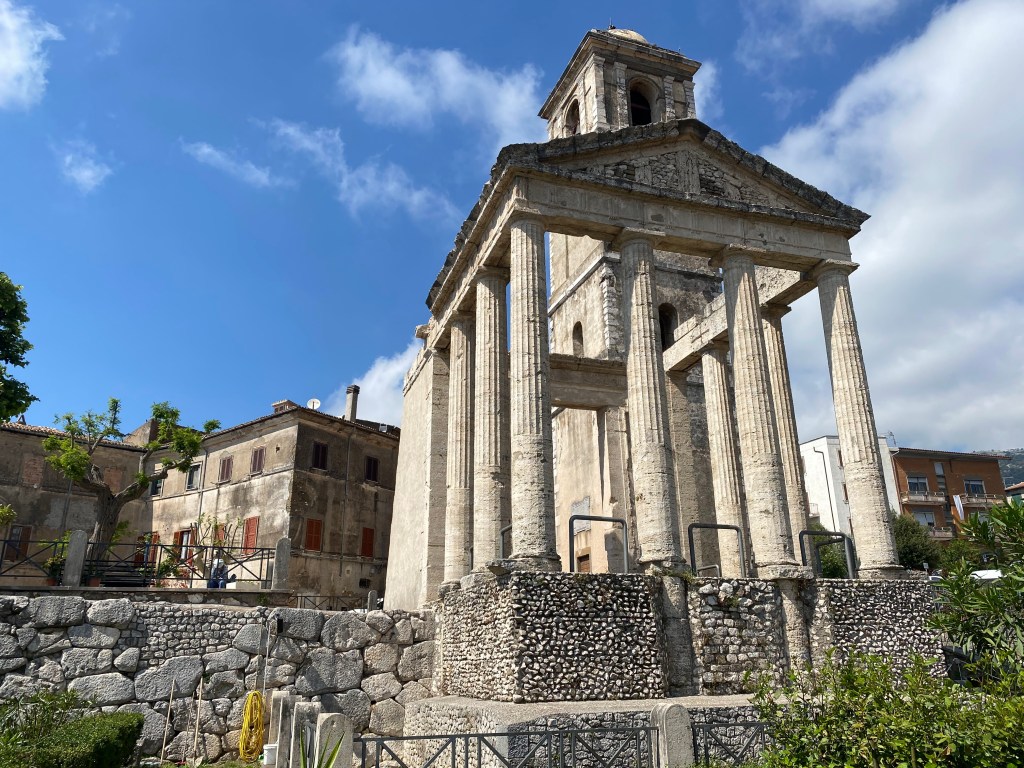
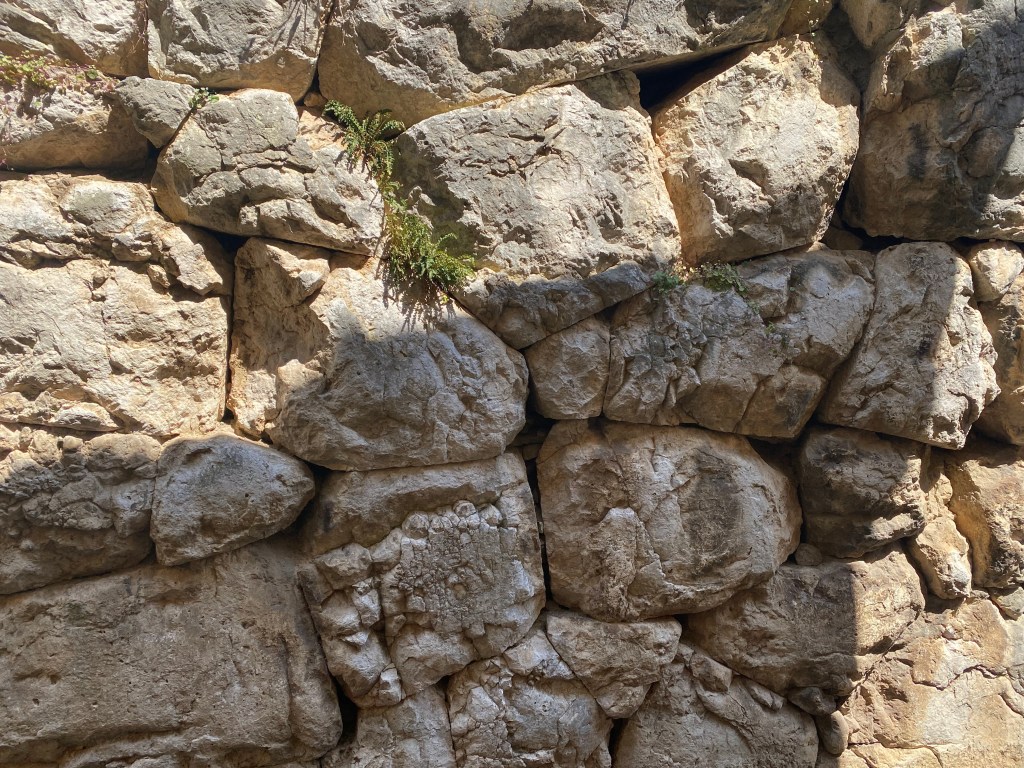
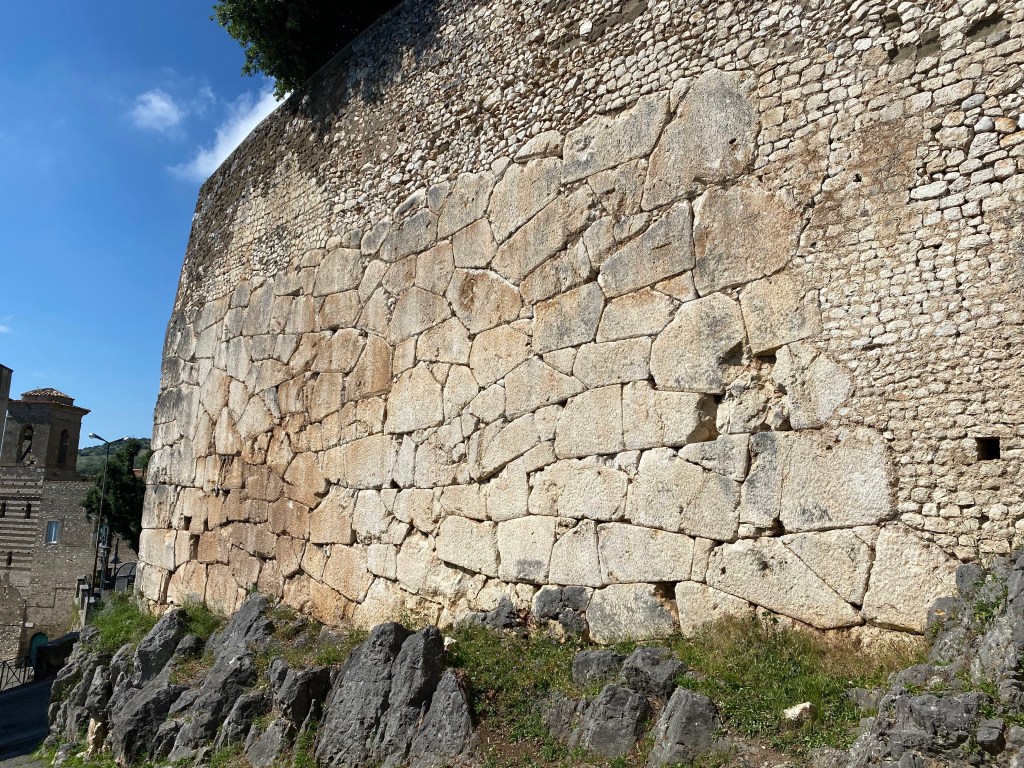
Characteristics: Cori (or Cora as it was known in Roman times) preserves substantial stretches of polygonal walls. They are characterized by a wide variety of precision, finishing, size and shape and encompass all of Lugli’s polygonal wall types. Numerous blocks of over one square meter can be seen throughout the site. One of Cori’s most interesting features is the Temple of Jupiter. It is built over a polygonal pedestal which differs greatly from the later Roman era architecture and clearly indicates chronological layering.
Polygonal classification: Types I-IV (Lugli)
Attribution: The polygonal walls are attributed to the Volsci, a pre-Roman people of the Latin cultural sphere.
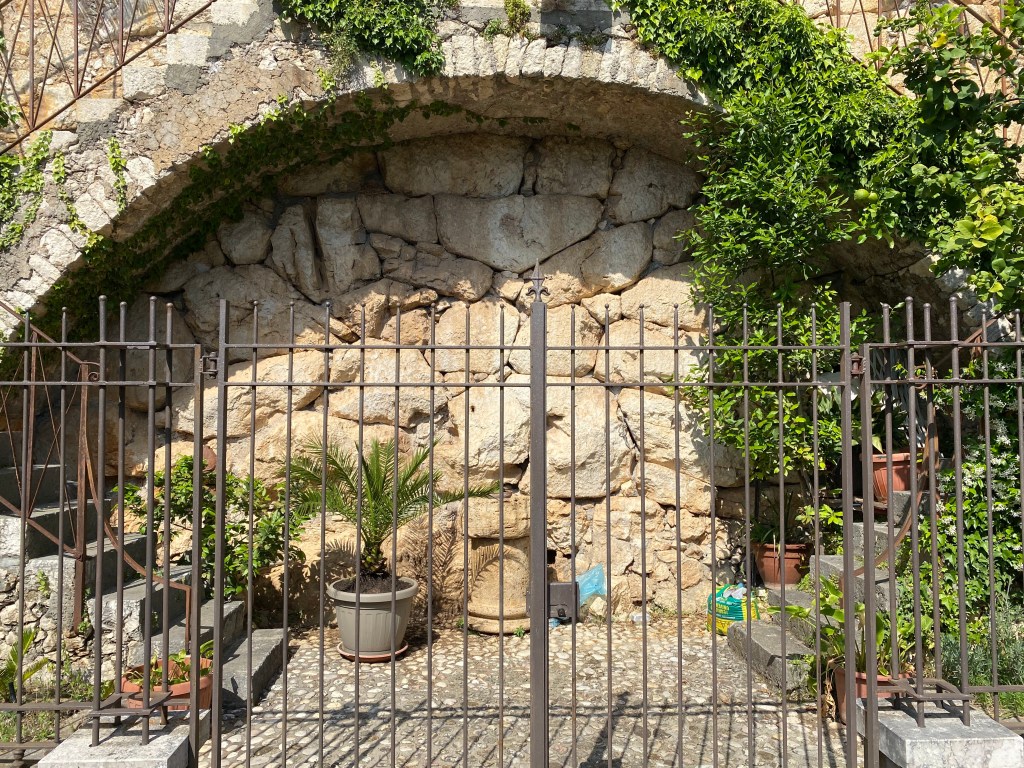
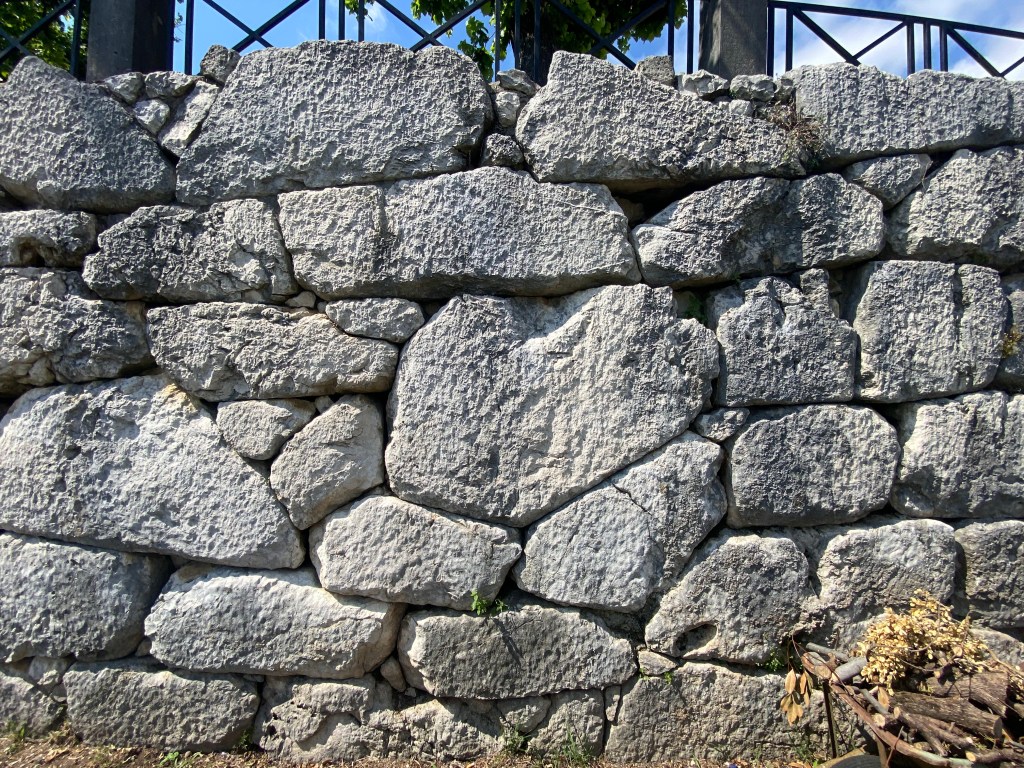
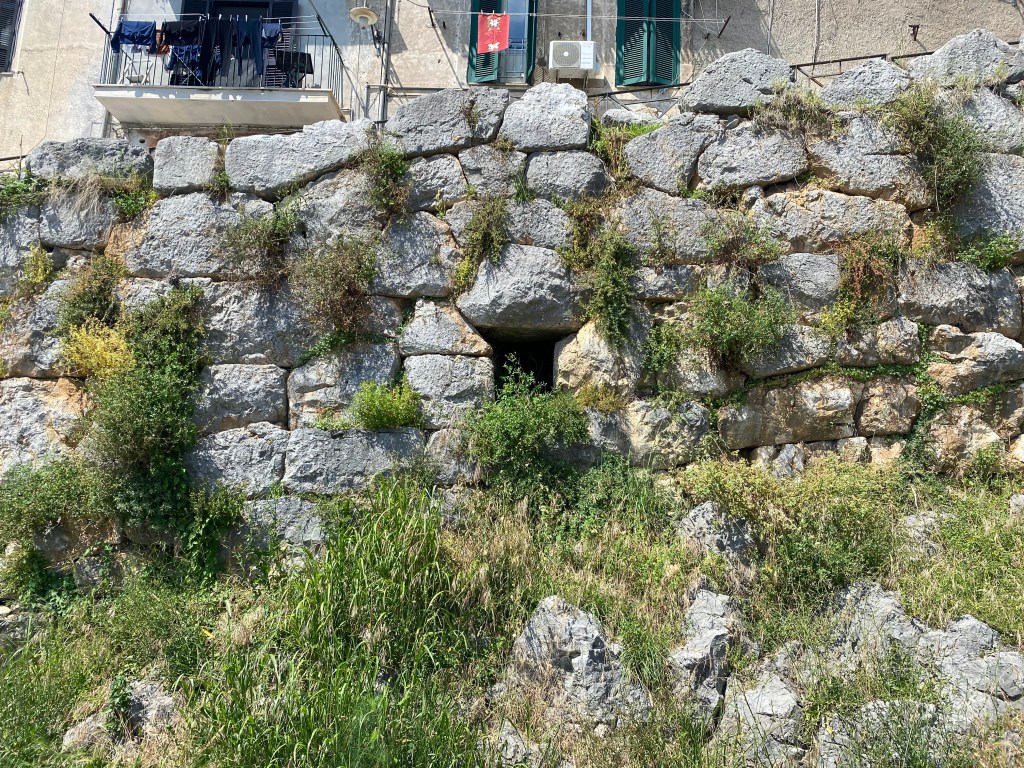
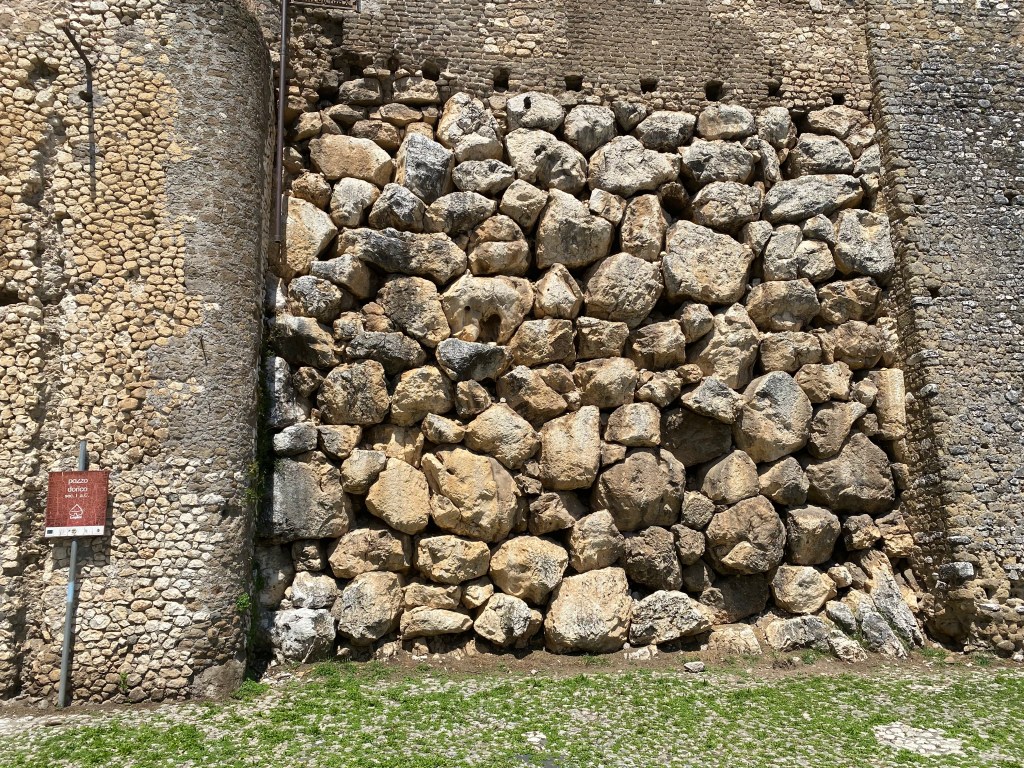
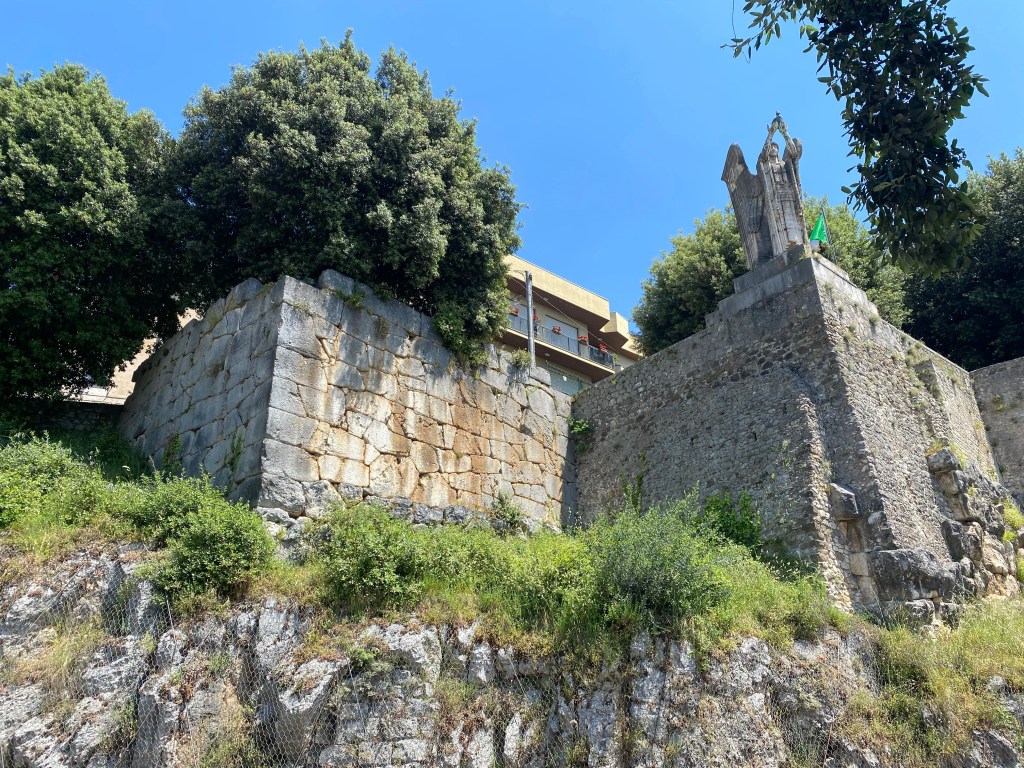
Specific points to see:
- Tempio di Ercole
- Scuola Media Ambrogio Massari
- Via dei Lavatori
- Via Giacomo Matteotti (Piazza Papa Leone XIII)
- Pozzo Dorico
- Via Pelasga
 Minutiae