
CEFALÙ
Location: Cefalù, Metropolitan City of Palermo, Sicily (Italy) — 38.03837 N, 14.0249 E
Dating: Temple of Diana 9th–8th centuries BC; Polygonal walls 5th–4th centuries BC
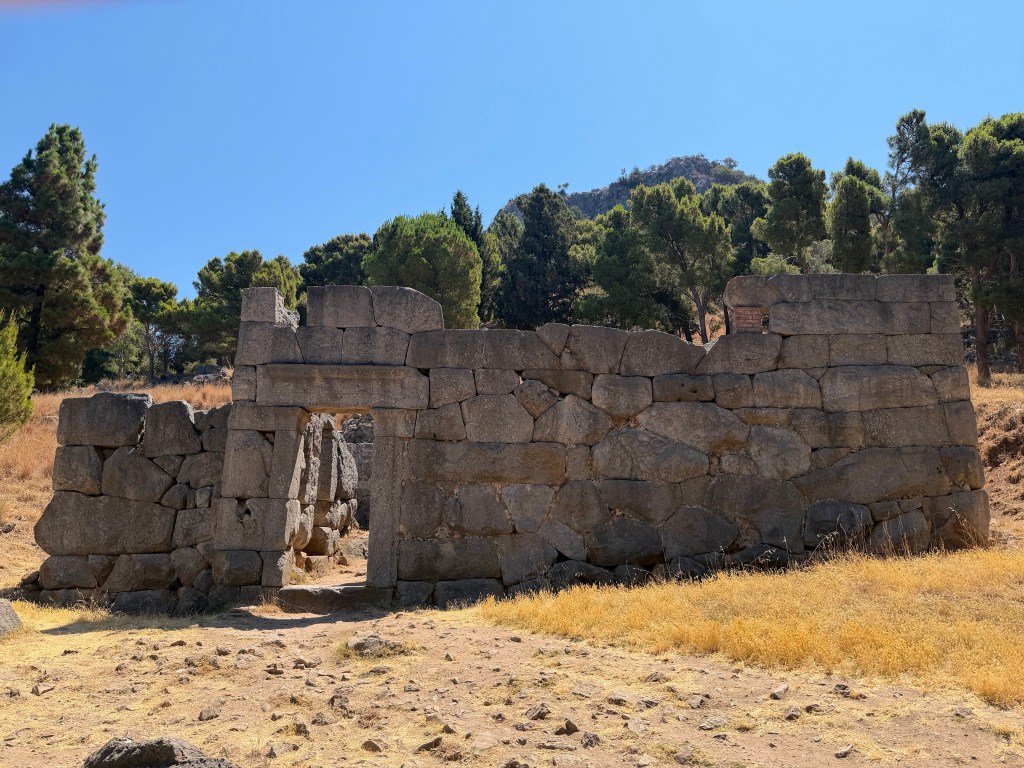
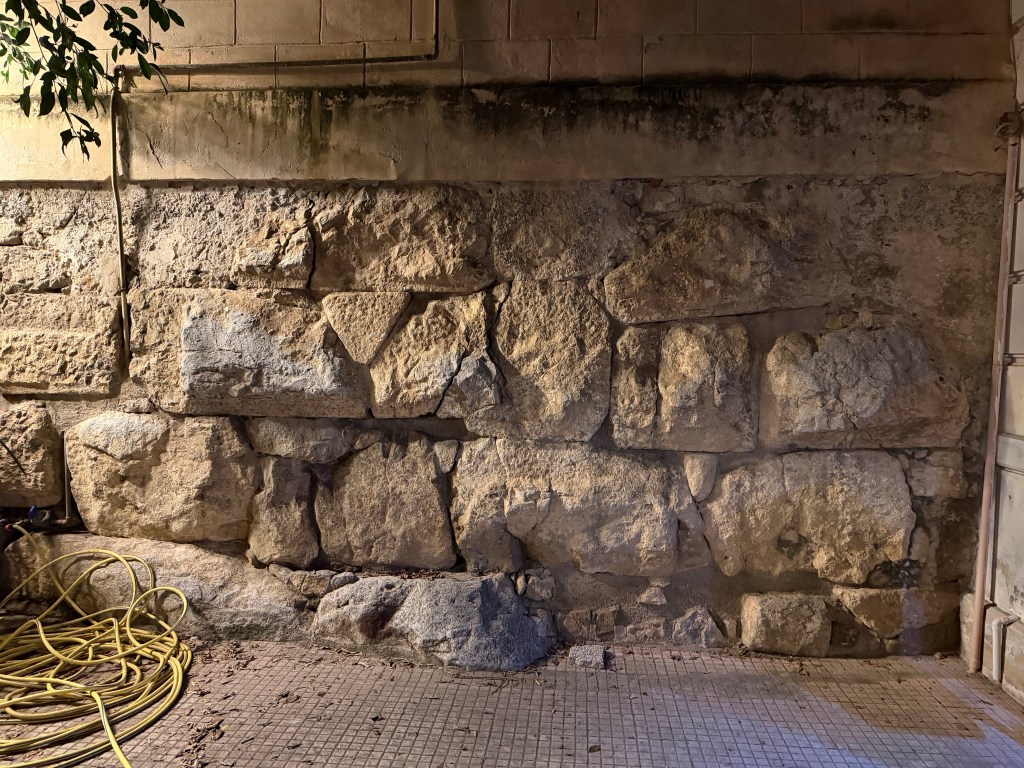
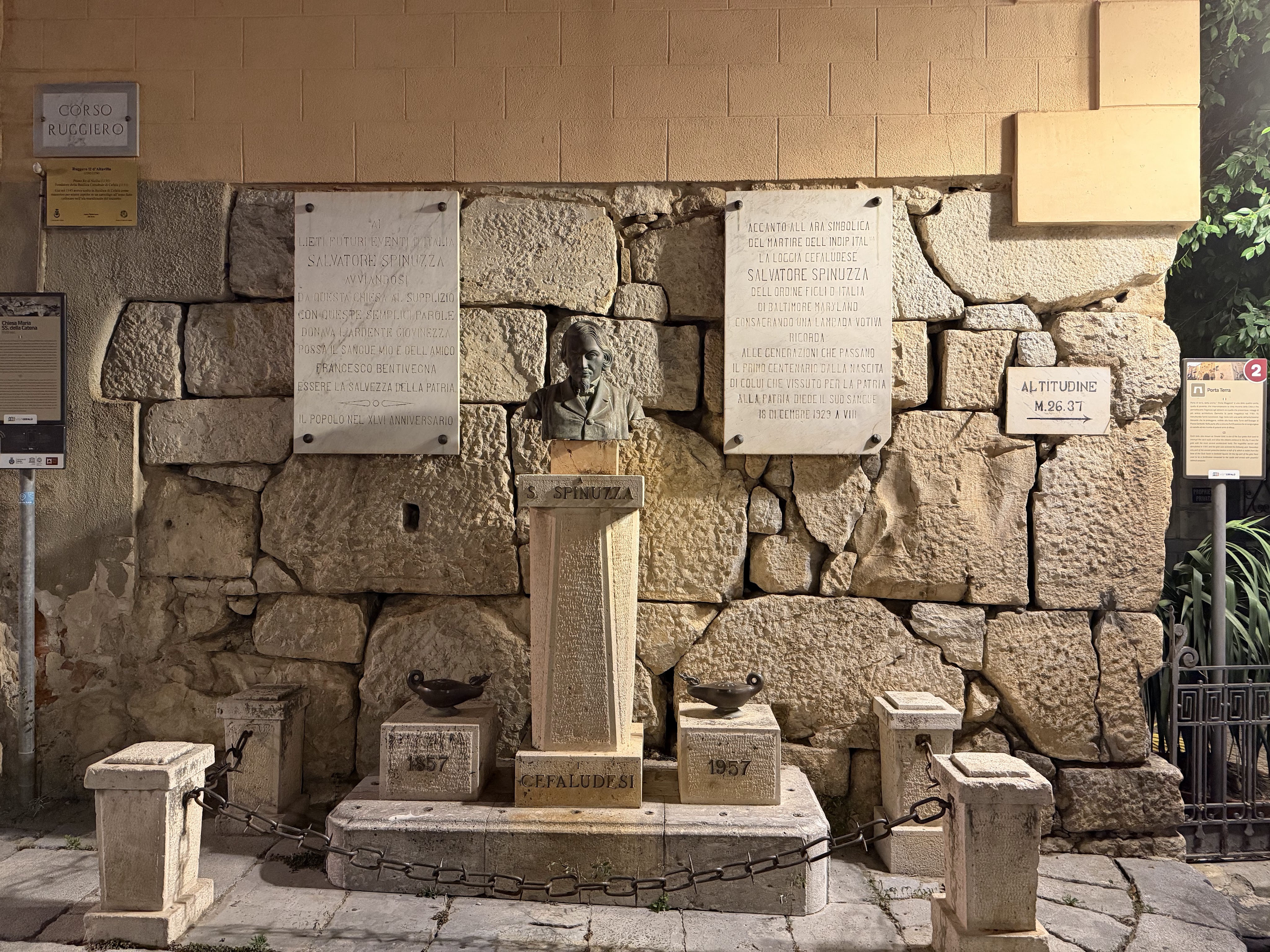
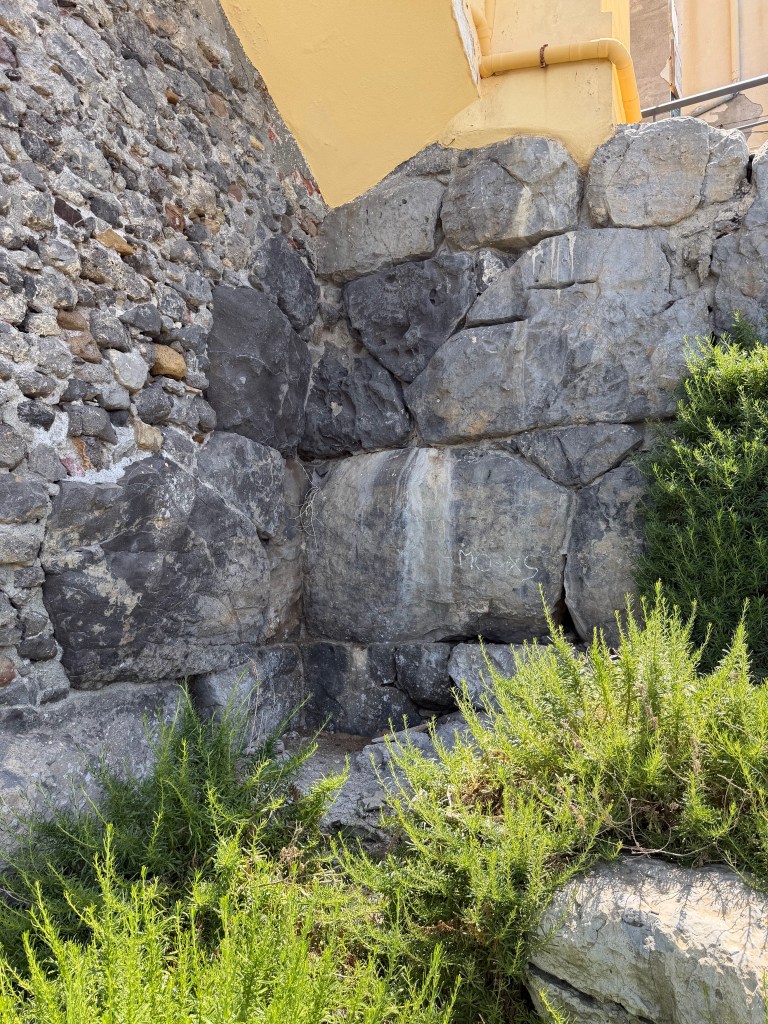
Characteristics: Cefalù is home to several noteworthy examples of polygonal masonry, from its rocky coastline to the summit of the imposing Rocca overlooking the Tyrrhenian Sea. Dominating the hilltop is the magnificent Temple of Diana (Tempio di Diana), a megalithic sanctuary whose earliest phases predate the Greek occupation of the city. Although no definitive evidence confirms that the original monument was dedicated to Diana (Artemis), the name remains in common use because the complex incorporates a rock-cut cistern that has long been associated with her cult. This cistern, generally dated to the early 1st millennium BC, was excavated directly into the living bedrock and roofed with massive limestone slabs, making it one of the oldest monumental features at the site. Surrounding the sanctuary are impressive retaining walls built from large, precisely fitted polygonal limestone blocks. Several of these blocks preserve unusual tool marks whose purpose remains uncertain. The complex is also unique among Italian polygonal sites for featuring two monumental T-shaped doorways, a characteristic more commonly associated with Bronze and Iron Age sites in Greece and western Anatolia than with the polygonal fortifications of central Italy. Recent studies have also drawn attention to a series of engraved symbols on a triangular block near the entrance to the sanctuary. While their interpretation remains debated, some researchers have noted similarities with geometric motifs and symbolic signs found in prehistoric traditions dating back to the Neolithic, adding another layer of intrigue to the monument. At the foot of the Rocca, stretches of large polygonal limestone masonry can still be seen supporting more modern buildings along the rocky coastline. Although centuries of coastal erosion have damaged many of the joints, several hidden sections preserve the original precision of the stonework. Individual blocks measure up to 2 metres in length and over 1 metre in height. In places, the polygonal masonry gives way to more regular Greek ashlar construction, suggesting that the fortifications were built or modified during multiple phases, possibly incorporating earlier indigenous foundations into the later defences of ancient Kephaloidion.
Polygonal classification: Types II-III (Lugli)
Attribution: The site is most commonly attributed to the Sicans or Sicanians, the indigenous inhabitants of central and western Sicily. It was later reused and modified by the Greeks (Kephaloidon), who dedicated the sanctuary to their gods.




Specific points to see:
- Rocca di Cefalù – Temple of Diana
- Porta Giudecca and coastal walls
- Piazza Garibaldi

