
BOMARZO
Location: Bomarzo, Lazio (Italy) — 42.4813 N, 12.2642 E
Dating: 7th-5th centuries BC
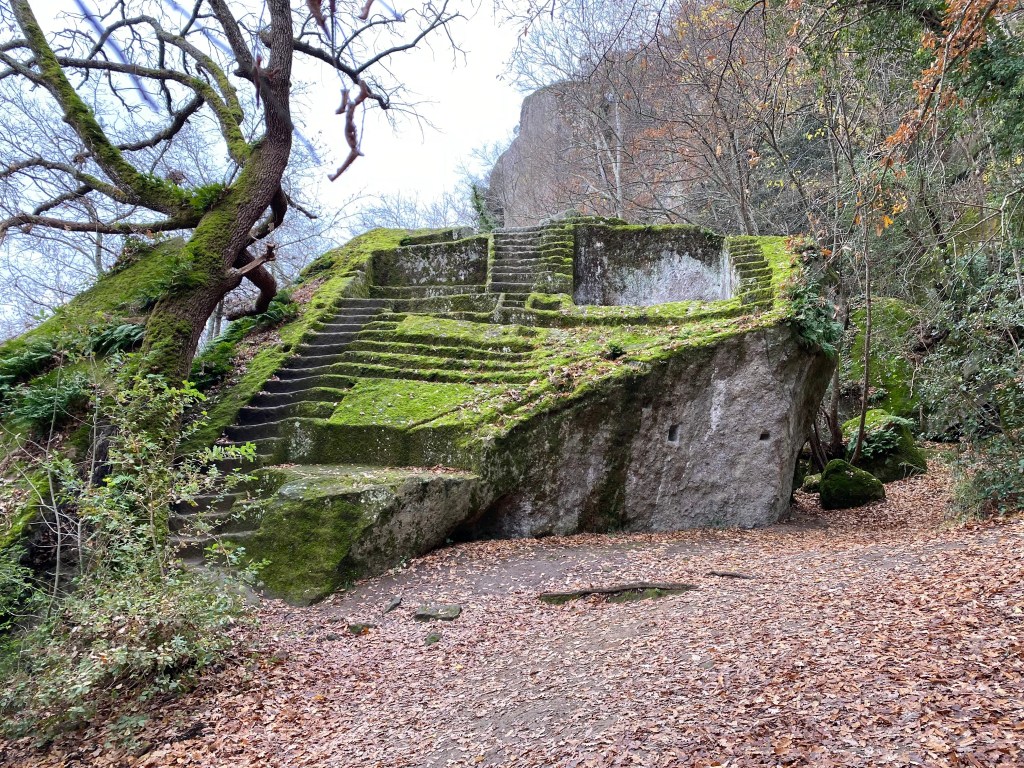
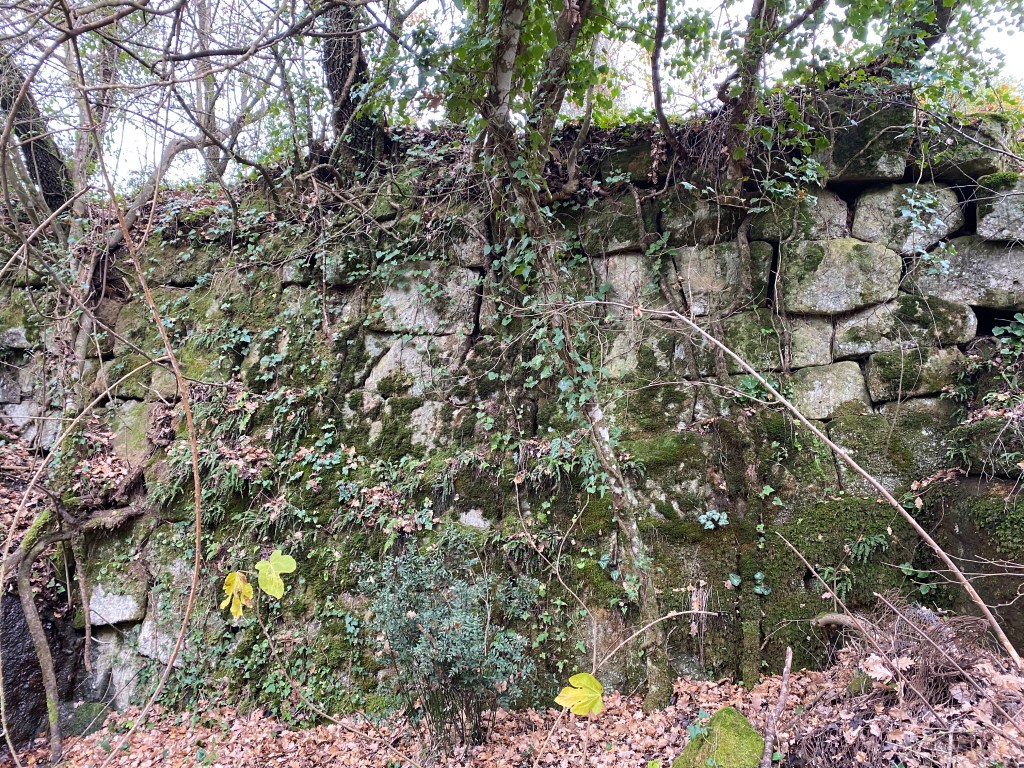
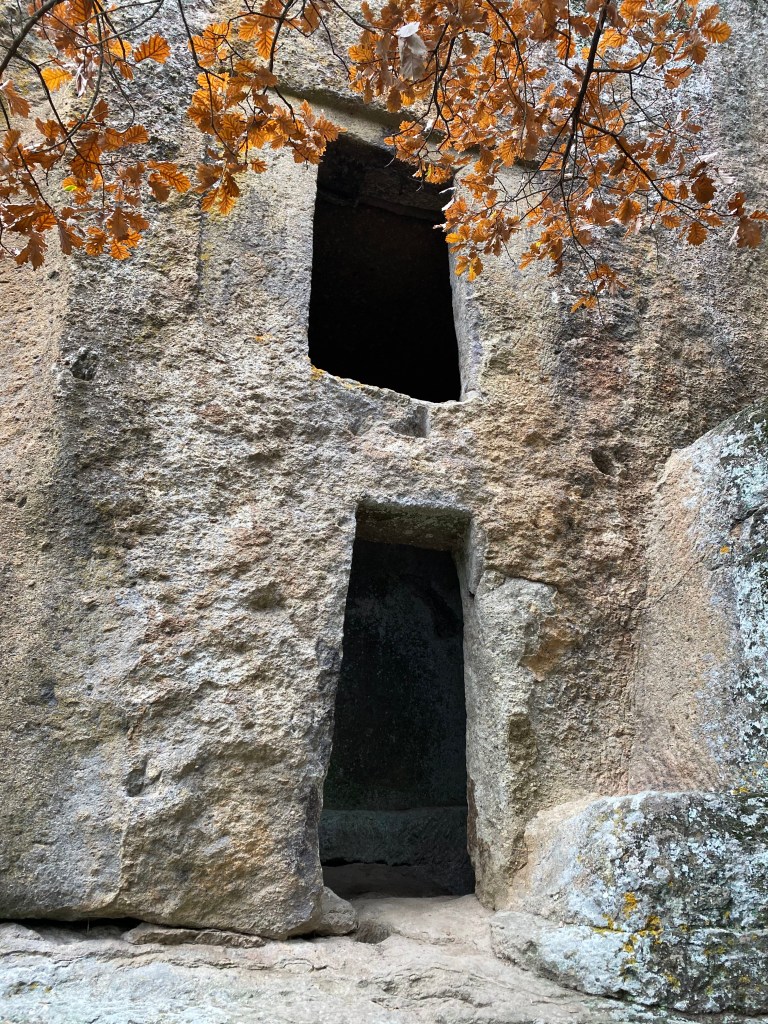
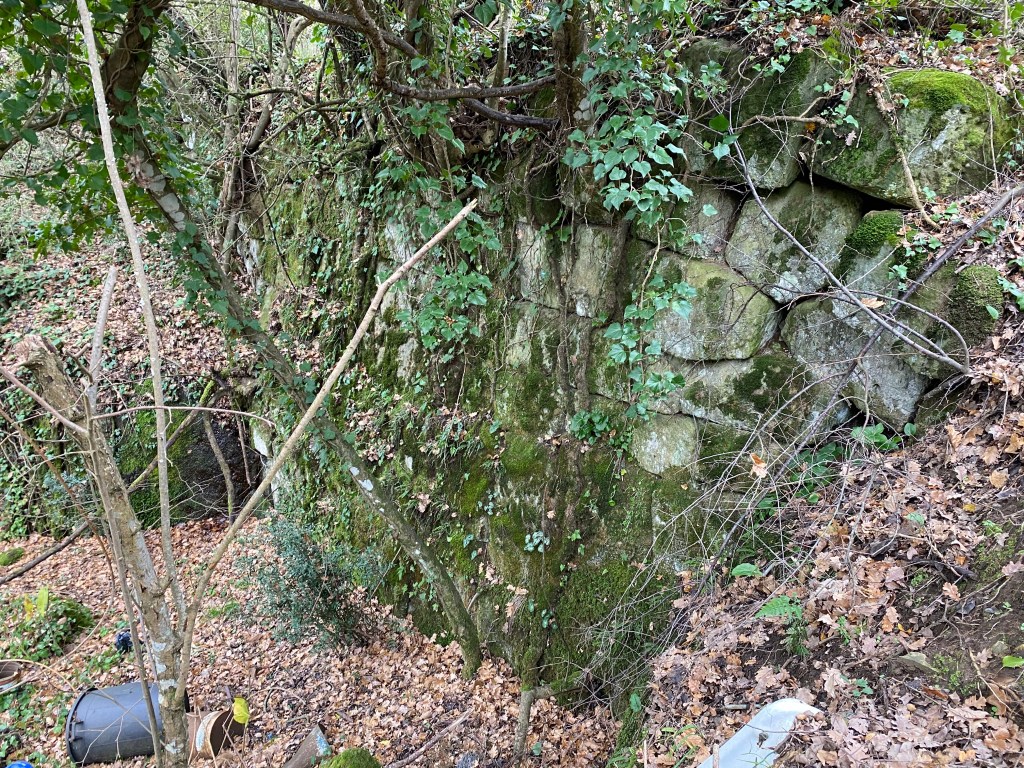
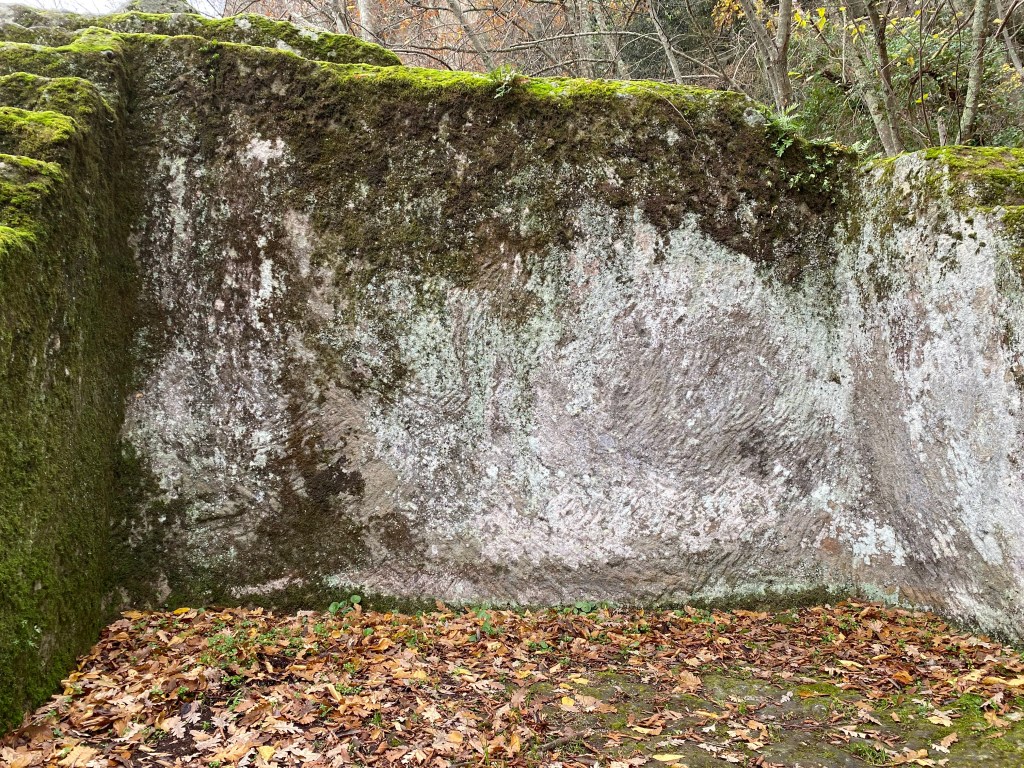
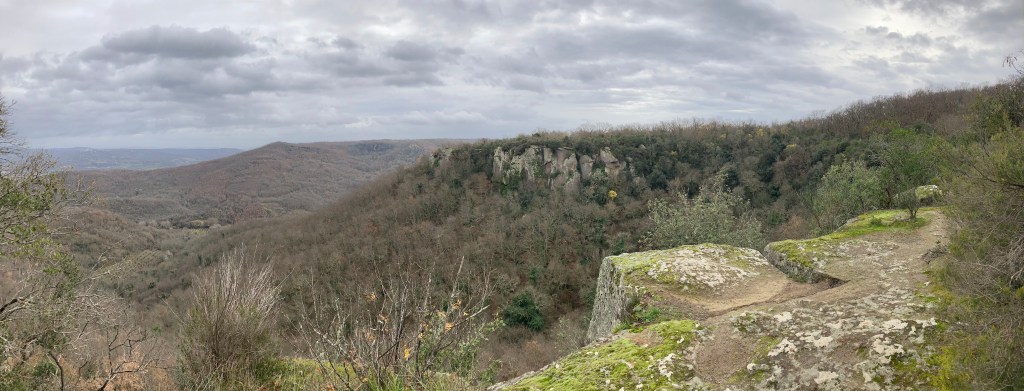
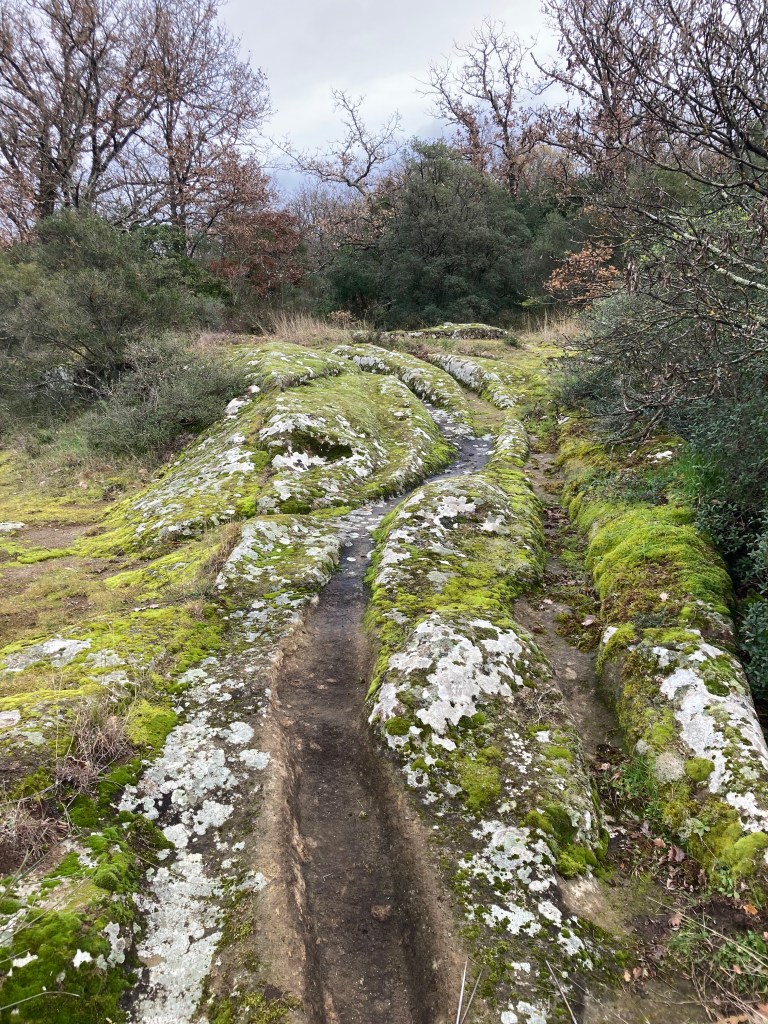
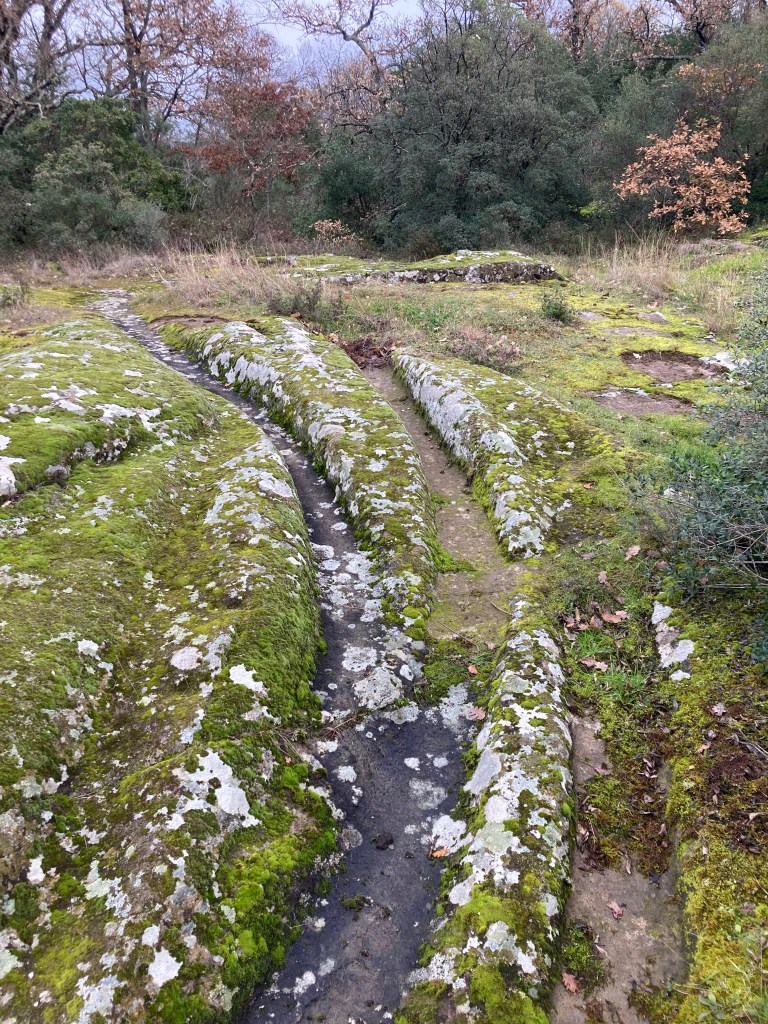
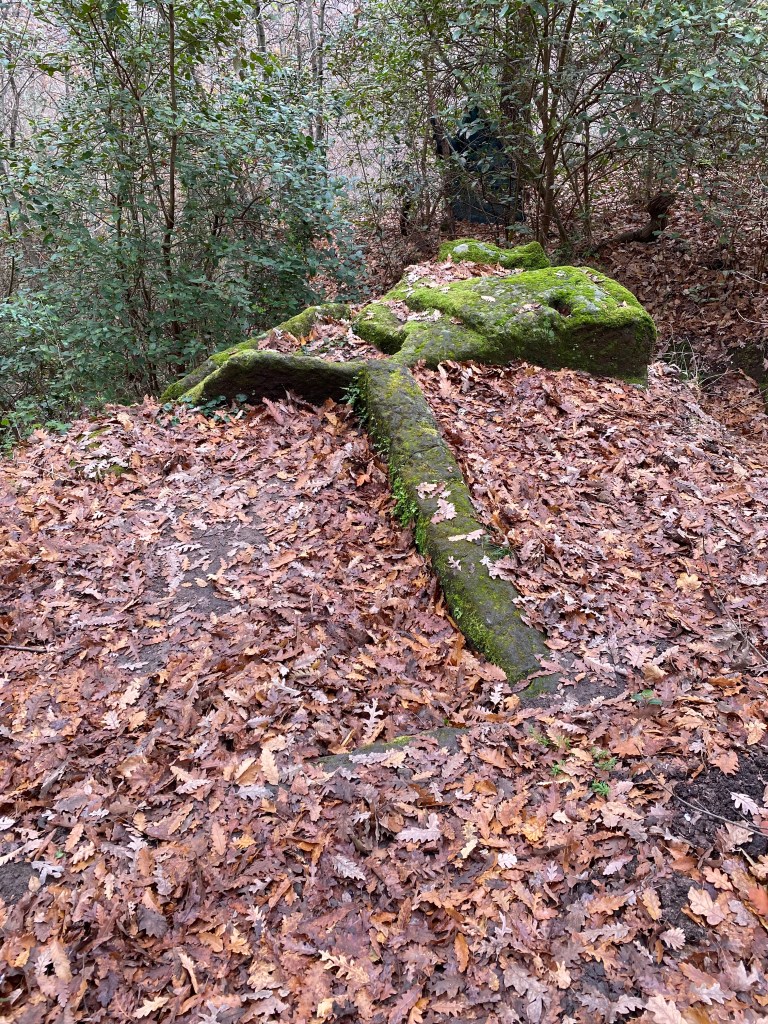
Characteristics: The wilderness to the east of Bomarzo contains numerous carved stone features with mysterious origins. Despite being often dated to the Etruscan period, there is very little stratigraphic evidence or absolute dating to confirm that period. Some scholars believe these sites were only reused during the Etruscan period and could date even earlier. Particularly interesting features of the region include rock cut stairways and platforms, burial chambers carved into the bedrock, cart ruts and one small stretch of polygonal wall. The most famous site, the so-called Etruscan Pyramid, is carved directly from a single massive outcrop of local volcanic tufa. It is not a constructed pyramid in masonry, but a sculpted, stepped platform. It contains a broad staircase ascending the front face with carved niches and steps ascending to higher platforms. Its overall height is approximately 8–10 meters, rising prominently from the wooded slope. Also visible along the hiking trails is a small section of polygonal wall completely covered by overgrowth. It is about 2-3 meters high and stretches for 4-5 meters in a shallow dip in the terrain. It is unclear from the overgrowth and erosion its original stonework precision.
Polygonal classification: The short stretch of polygonal is most similar to Types I-II (Lugli)
Attribution: The majority of stonework at the site is attributed to the Etruscans.
Specific points to see:
- Etruscan Pyramid – hiking trail contains numerous sites along the way (cart ruts, polygonal wall and stone carved caves)
 Minutiae