
ARPINO
Location: Arpino, Lazio (Italy) — 41.6481 N, 13.6099 E
Dating: 7th-4th centuries BC
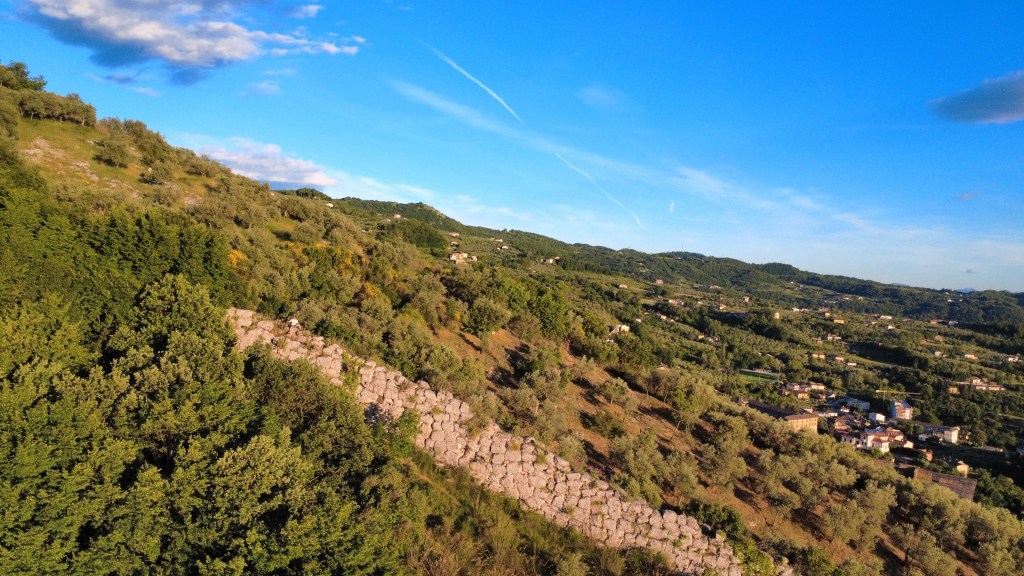
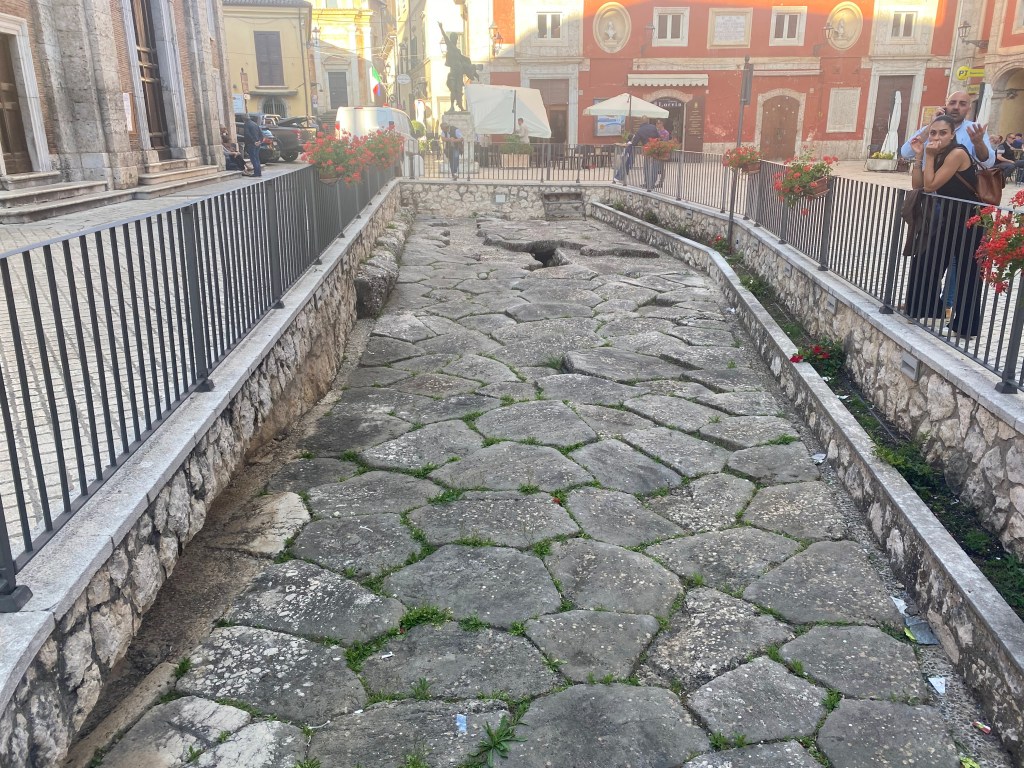
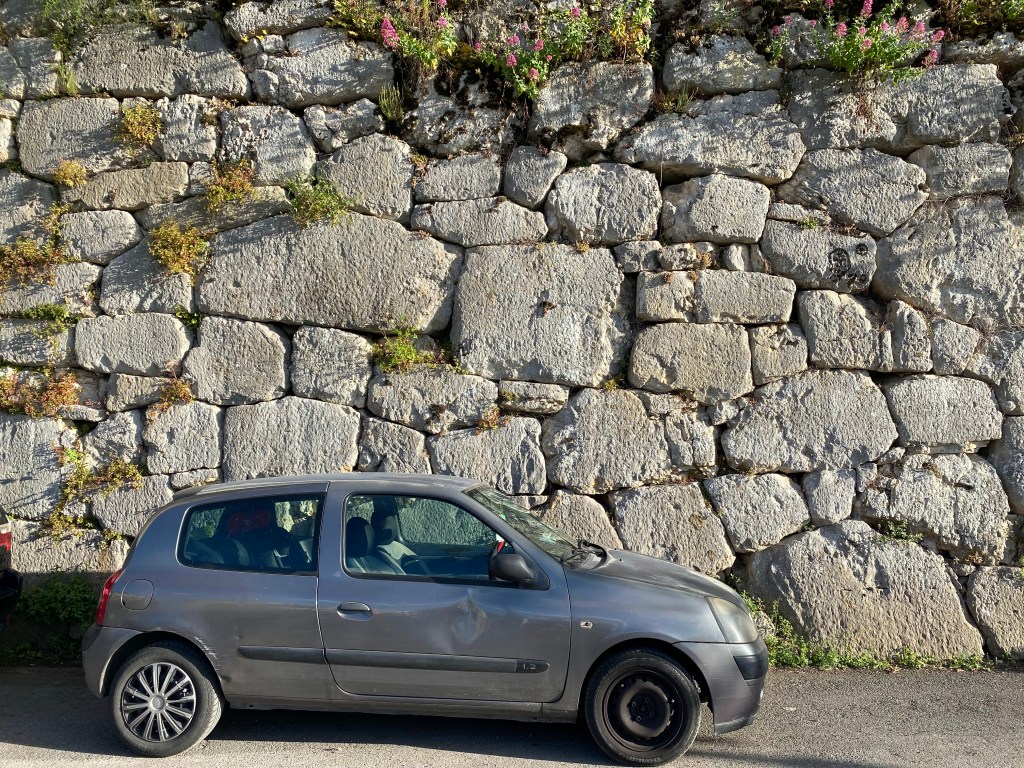
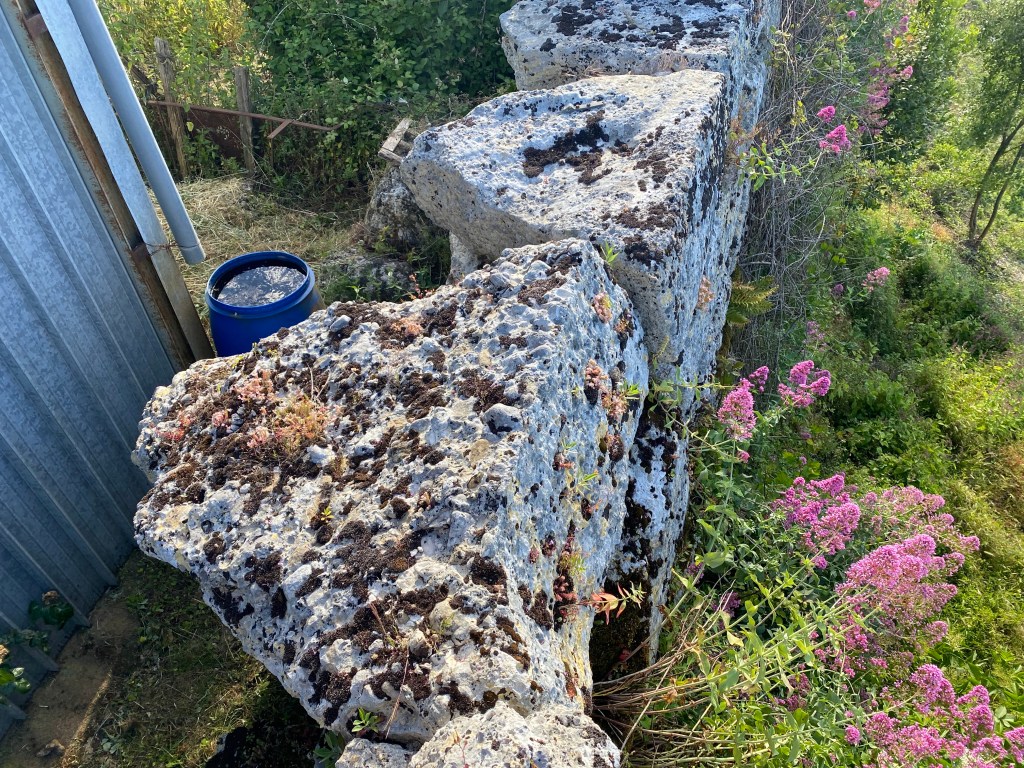
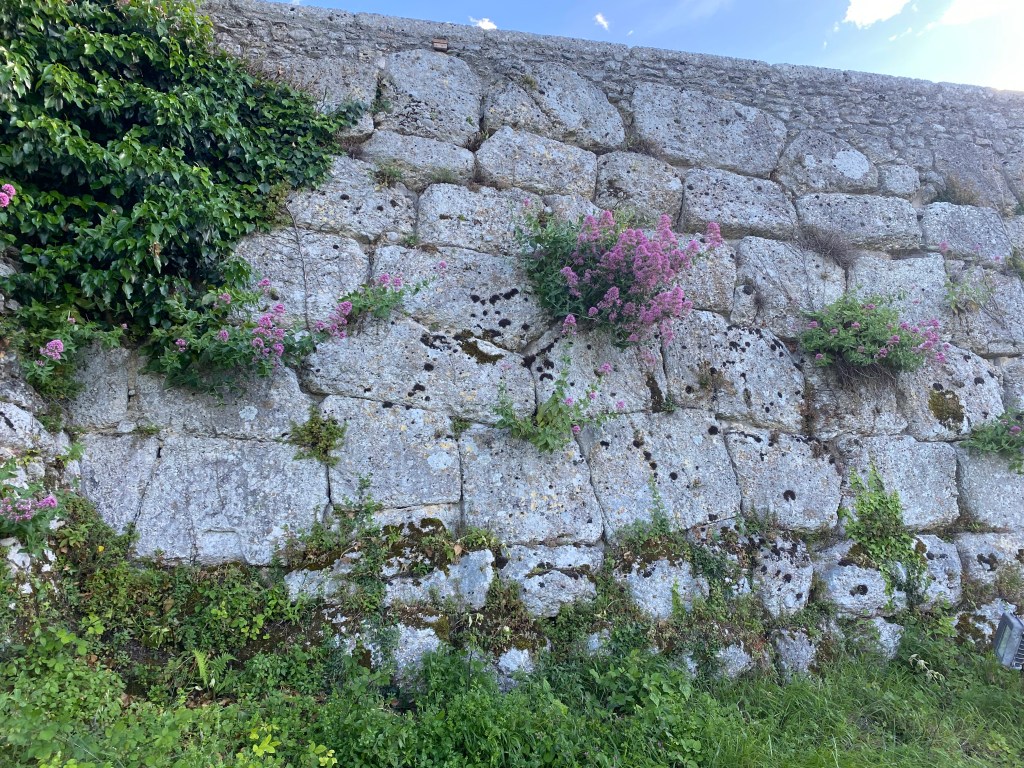
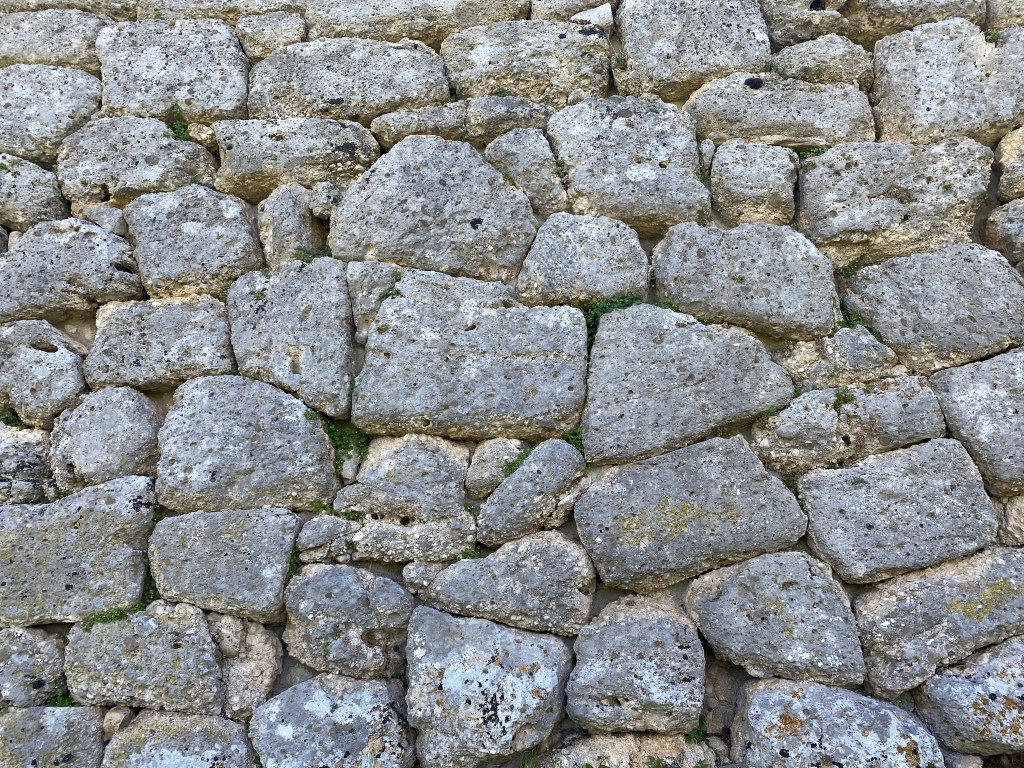
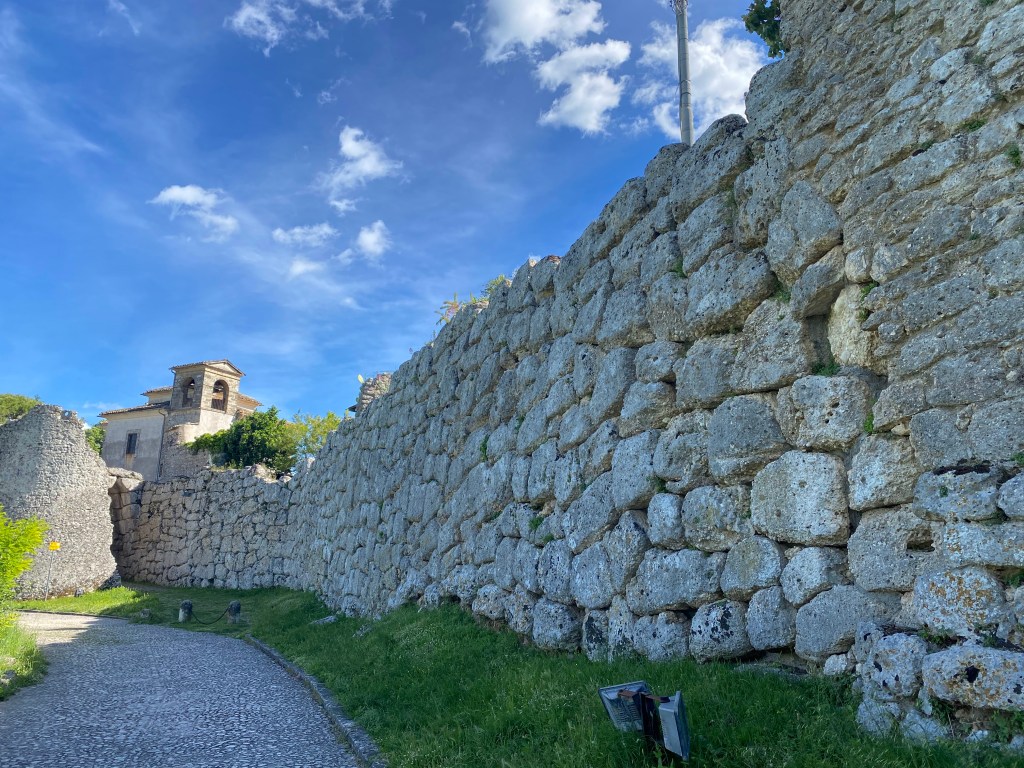
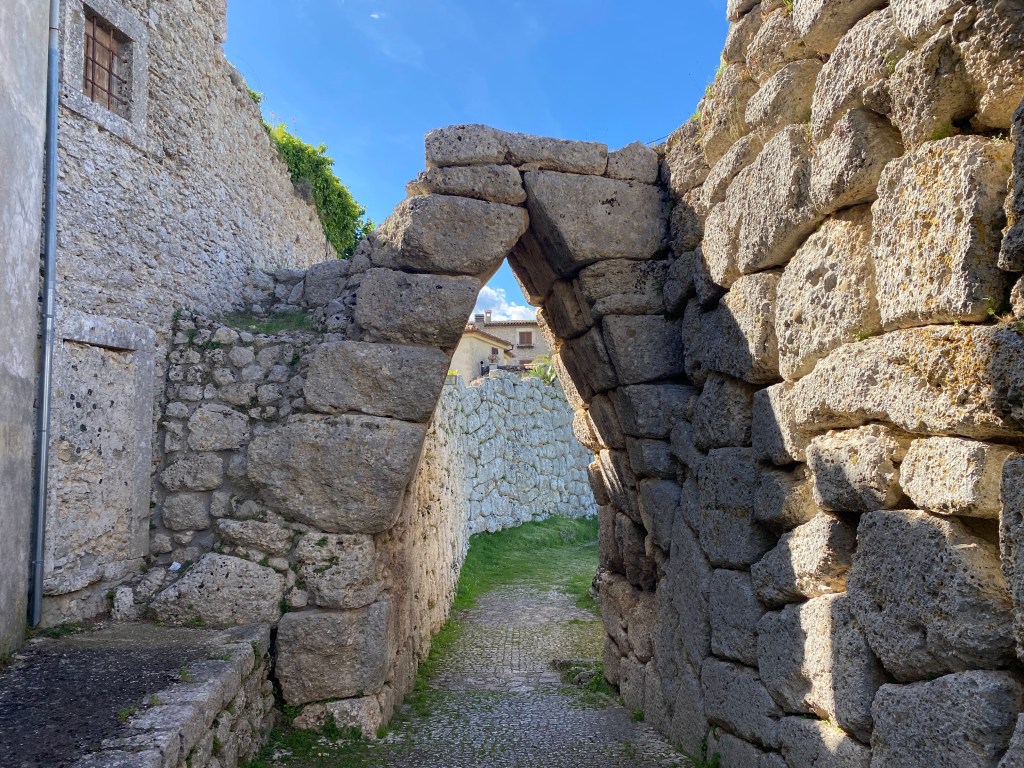
Characteristics: The site preserves about half of the original polygonal wall circuit of 3 kilometers. Unique among polygonal walls, Arpino’s were built with a local hardstone known as puddingstone. One of the most impressive features of the site is the 4 meter tall ogival corbelled arch gateway. It is found along the outer wall of the ancient Acropoli di Civitavecchia. Further below in the modern city, there are numerous sections of more precise polygonal masonry and the notable section of polygonal street. The impressive joinery of the stonework is unique among Roman style roads of the period.
Polygonal classification: Types I-III (Lugli) — mostly Type II
Attribution: The earliest walls are attributed to the Volsci with later reuse and additions made by the Samnites and Romans.
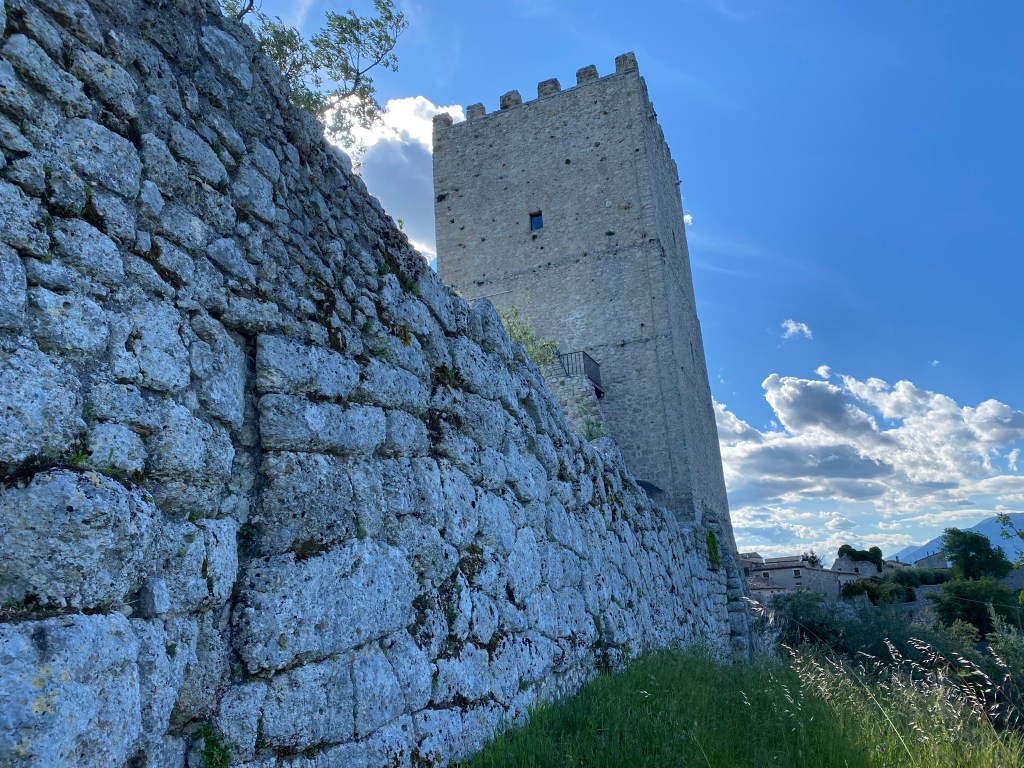
Specific points to see:
- Civitavecchia external polygonal walls and Arco a Sesto Acuto
- Porta del Lupo
- Via Caio Mario
- Piazza Municipio – unique section of polygonal street
 Minutiae