
ALBA FUCENS
Location: Alba Fucens, Abruzzo (Italy) — 42.0797 N, 13.4097 E
Dating: 4th-3rd centuries BC but likely earlier period
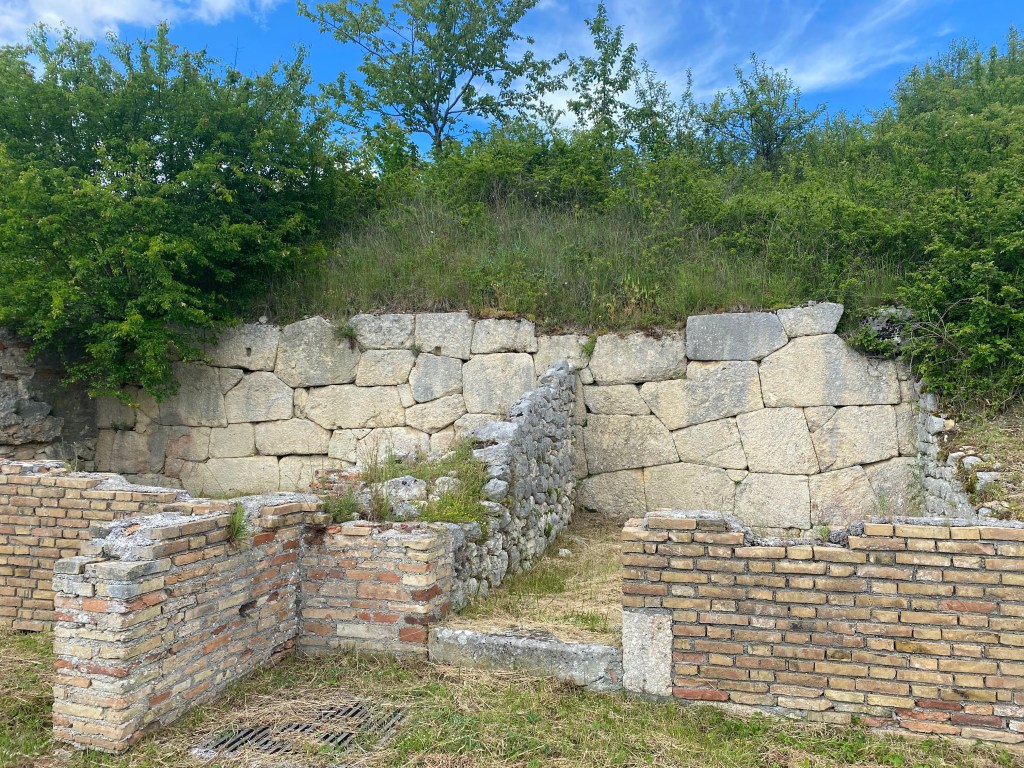
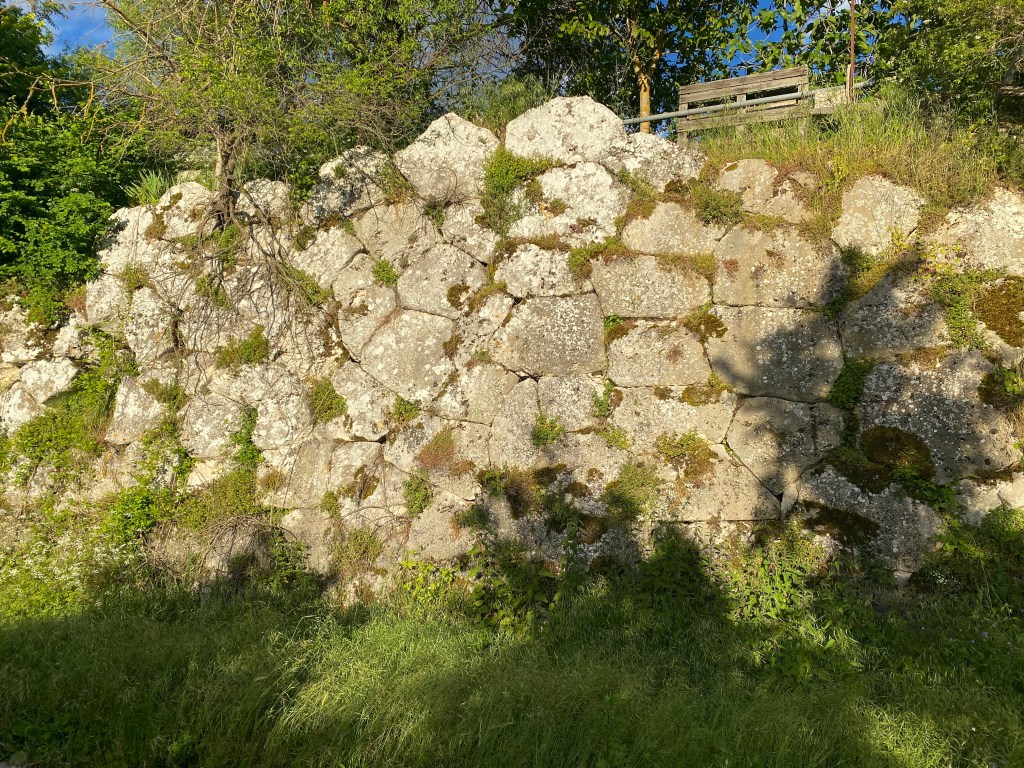
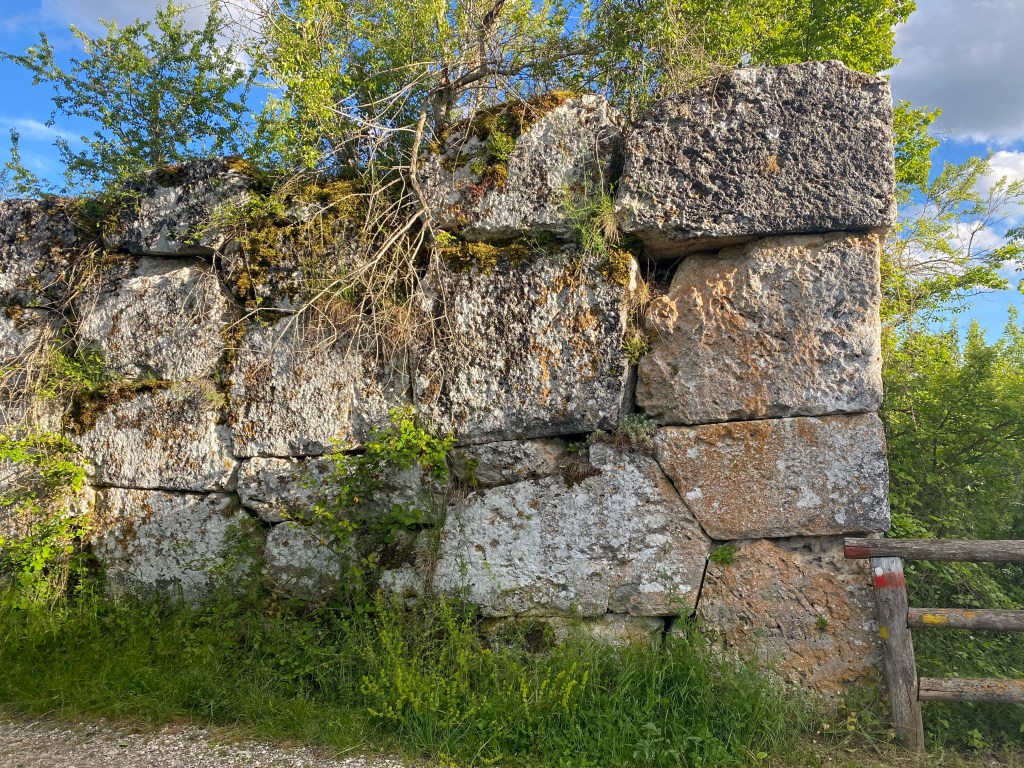
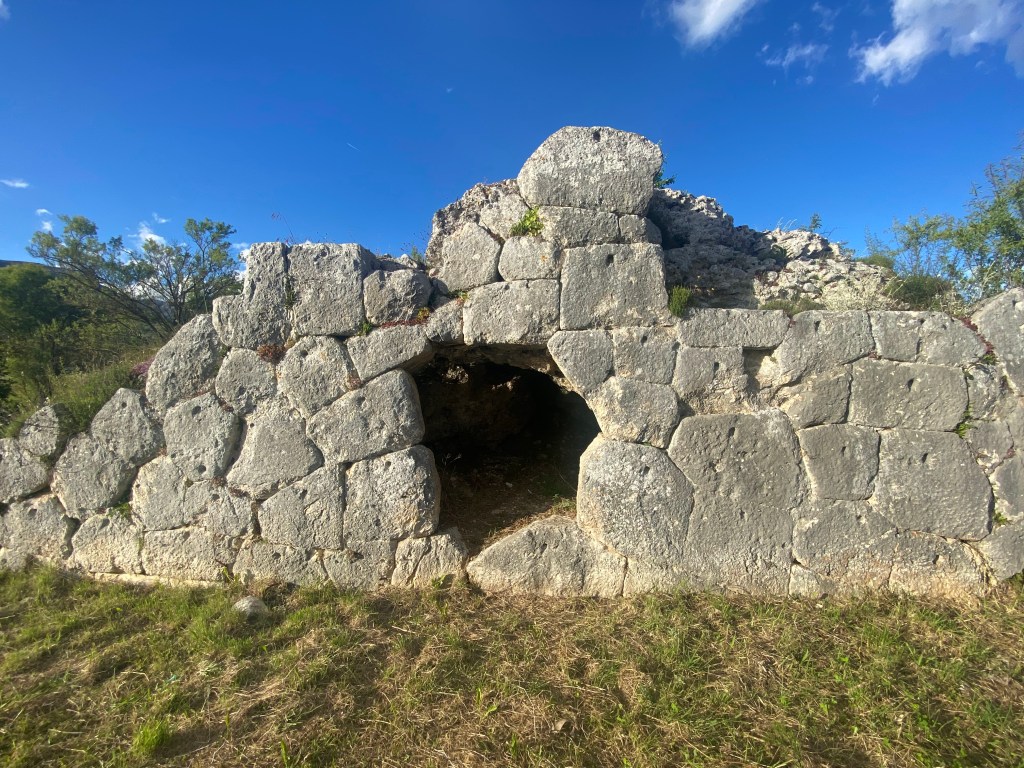
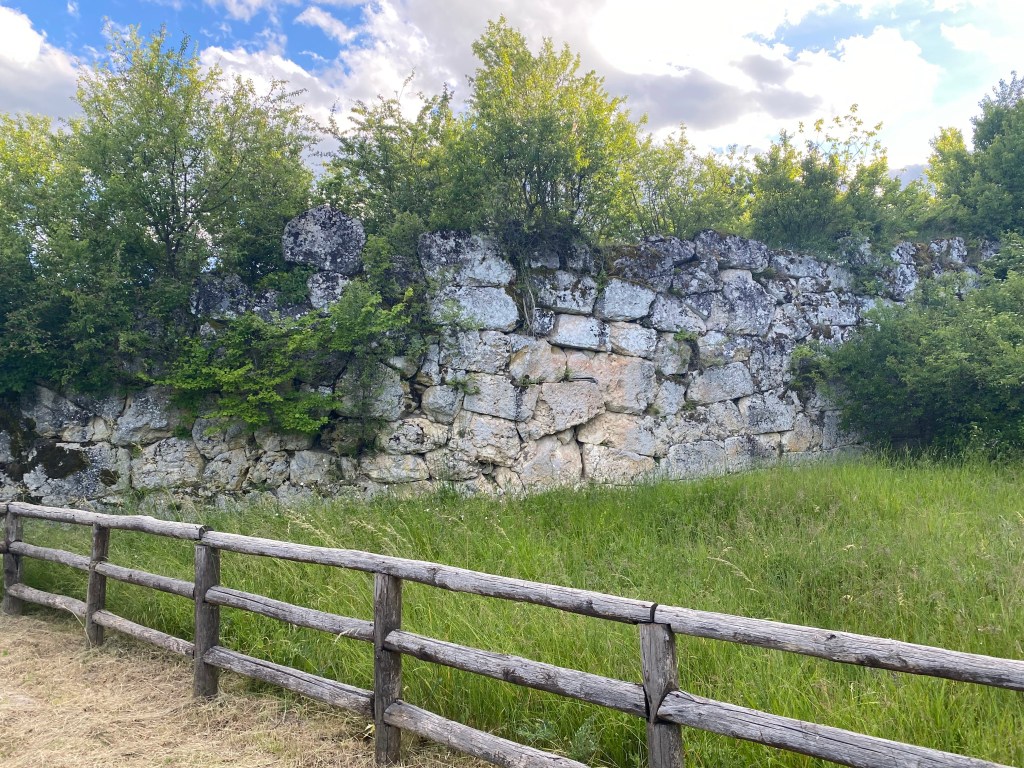
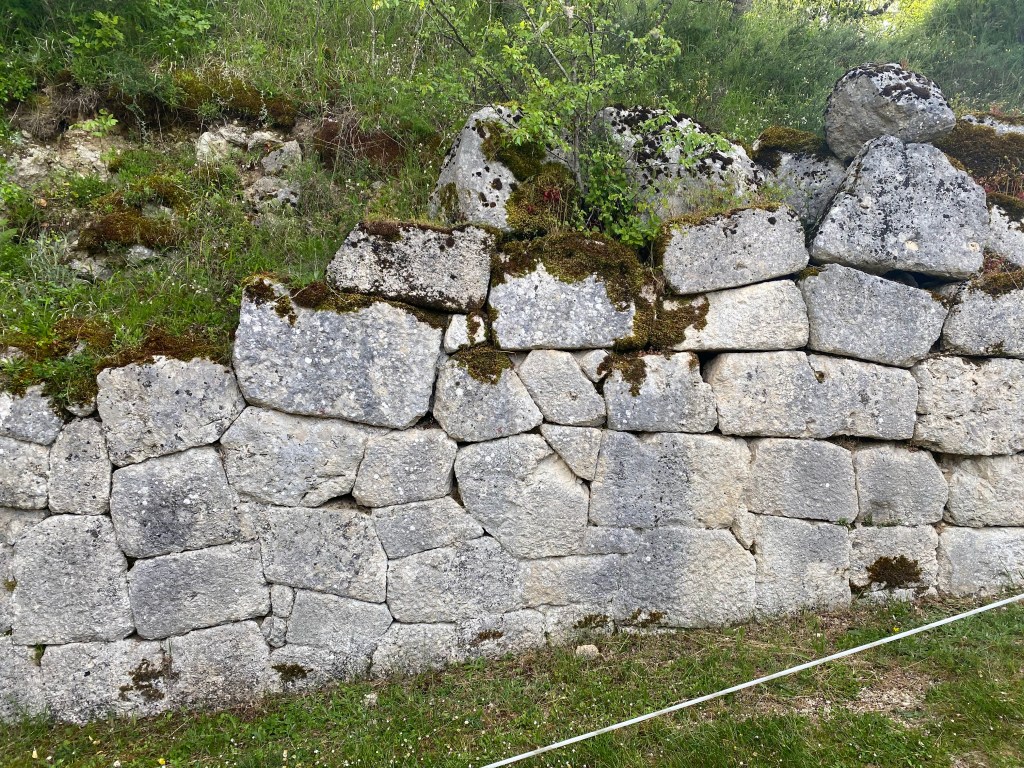
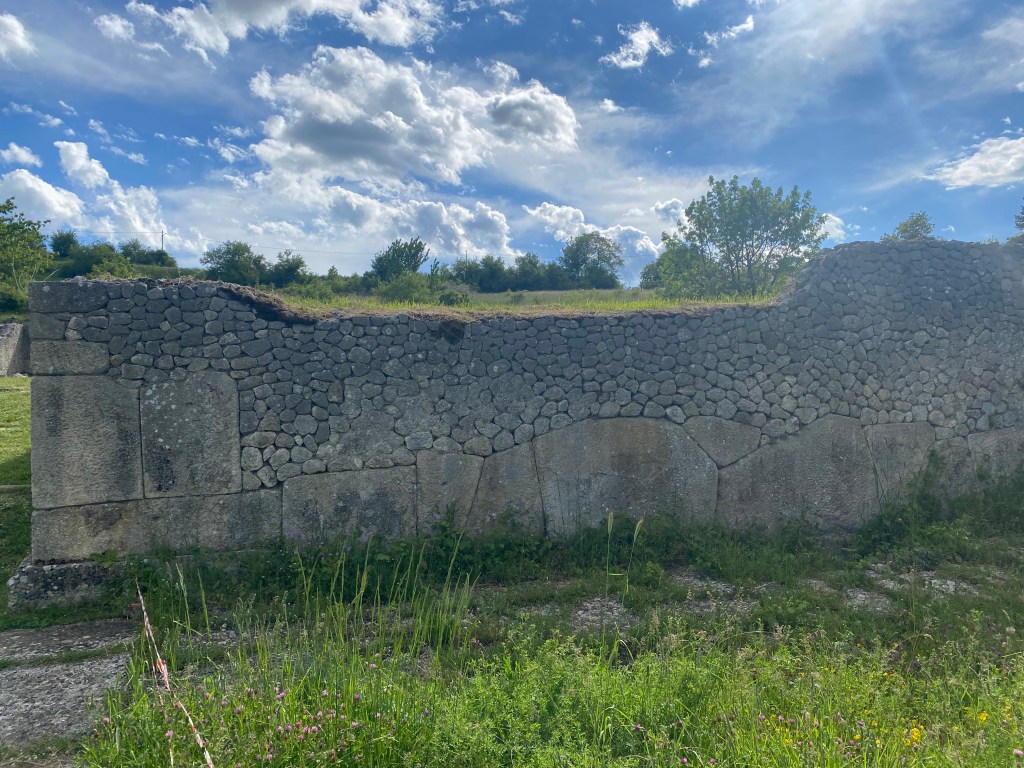
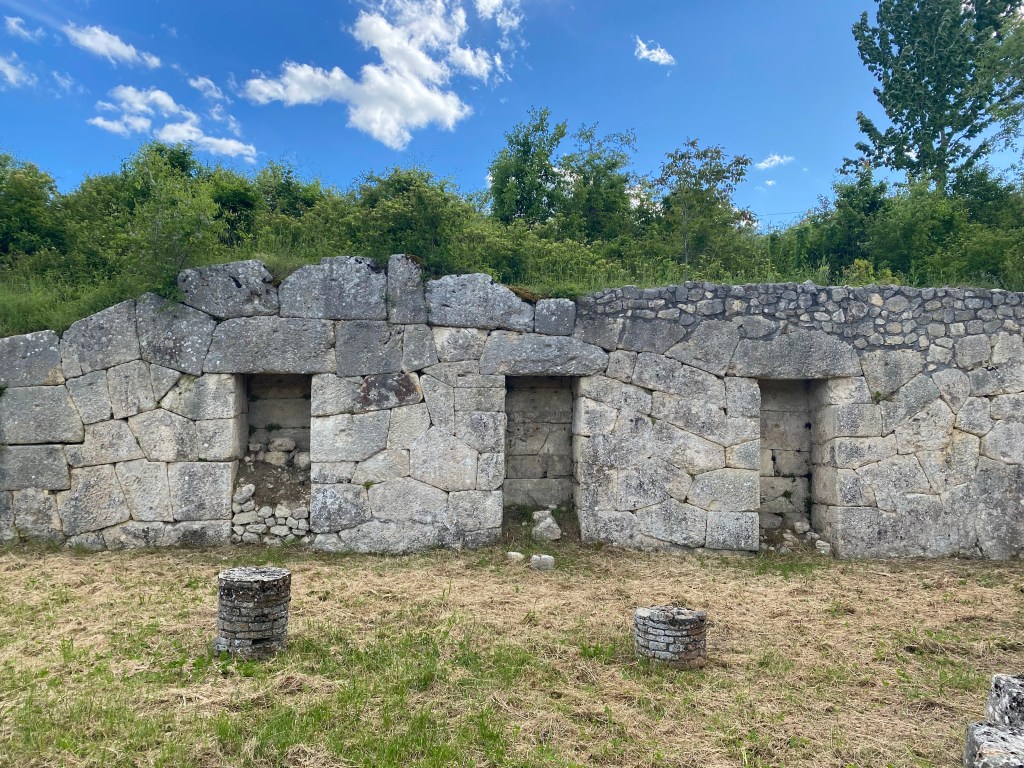
Characteristics: The site contains a well preserved polygonal wall circuit (originally 3 km in length) and numerous polygonal foundations beneath the town center. The polygonal masonry is of high quality throughout and is home to some unique features. The first is a temple wall with three polygonal niches. While possibly having a ritual importance for the Aequi or Romans, it is unlike any other aspect of the temple architecture itself. These particular niches are only seen at one other location in Italy, Alatri, which belonged to a distinct Italic tribe and historic enemy of the Aequi (Hernici). Second, the amphitheater is built with polygonal masonry running through the entrance tunnels while the rest of the structure has more traditional Roman techniques. It is an interesting juxtaposition which fuels debate about the site’s origins and later reuse by the Romans. Additionally, just outside of the archaeological site on the main road lies a polygonal ruin said to be a part of the Roman aqueduct system. Finally, archaeological excavations at the site found a polygonal tunnel similar to ones seen at Norba, Ferentino and Segni. At approximately 8-10 meters in length, it is unclear what purpose it served. Overall, Alba Fucens has a number of polygonal hallmarks with mysterious inspiration and origins.
Polygonal classification: Types II-III (Lugli)
Attribution: The site is attributed most often to Roman colonists, but given that the settlement was located deep within Aequi territory, it most likely has earlier Italic influence beforehand.
Specific points to see:
- Area Archeologica di Alba Fucens – amphitheater, three niches, and polygonal foundations beneath settlement structures
- SP 24 per Alba Fucens
- Via Albe Vecchia
- Resti Acquedotto Romano di Alba Fucens
- Polygonal tunnel (northern side of ancient fortifications but exact location unknown)
 Minutiae