
ALATRI
Location: Alatri, Lazio (Italy) — 41.7252 N, 13.3442 E
Dating: 6th-3rd centuries BC
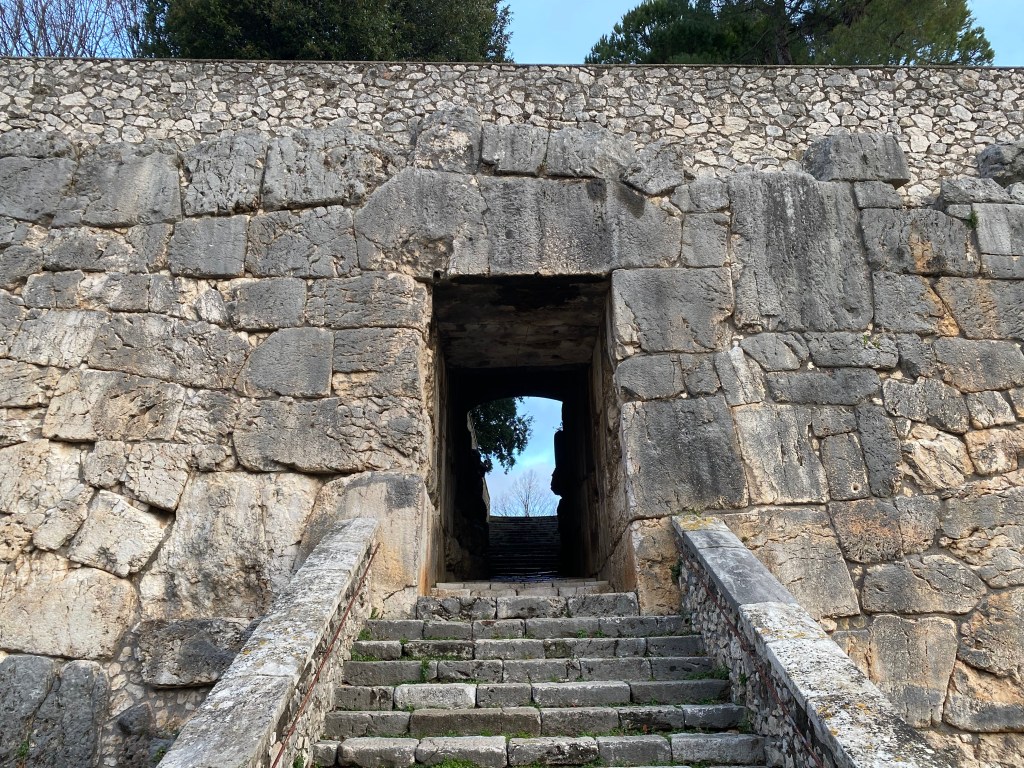
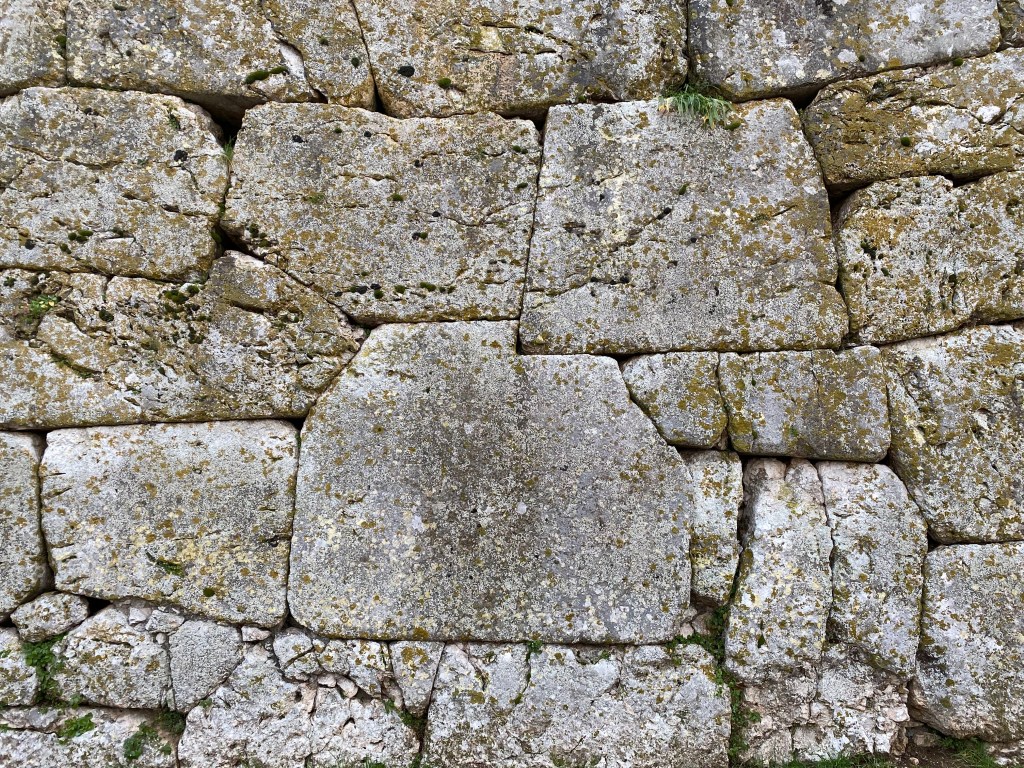
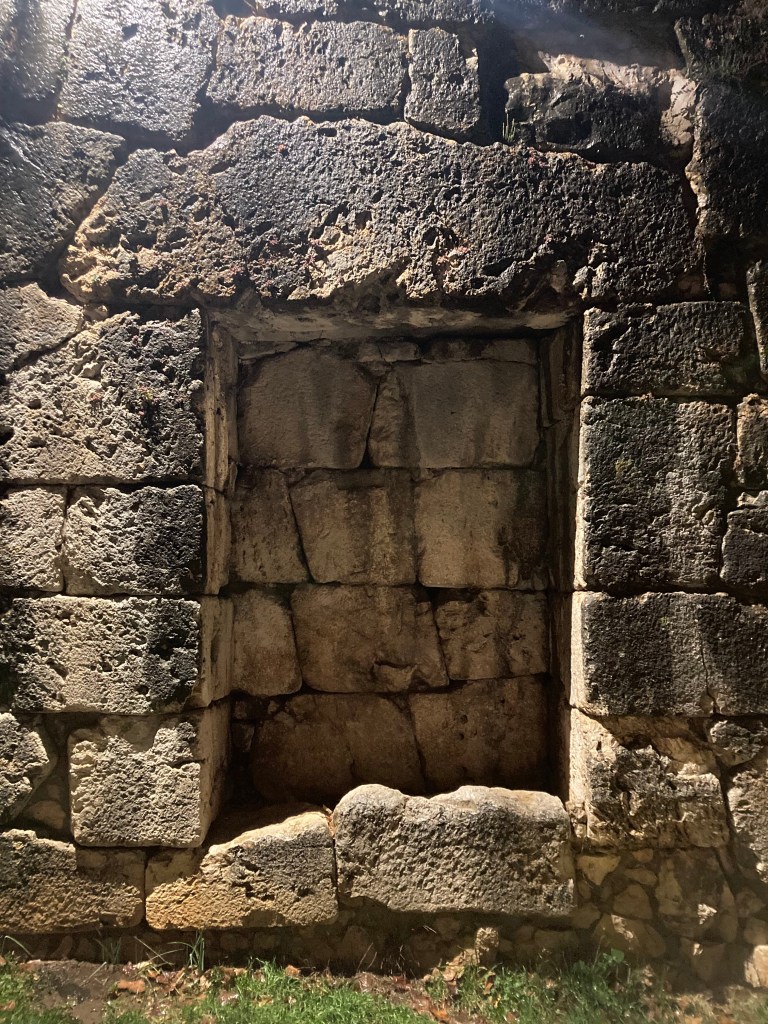
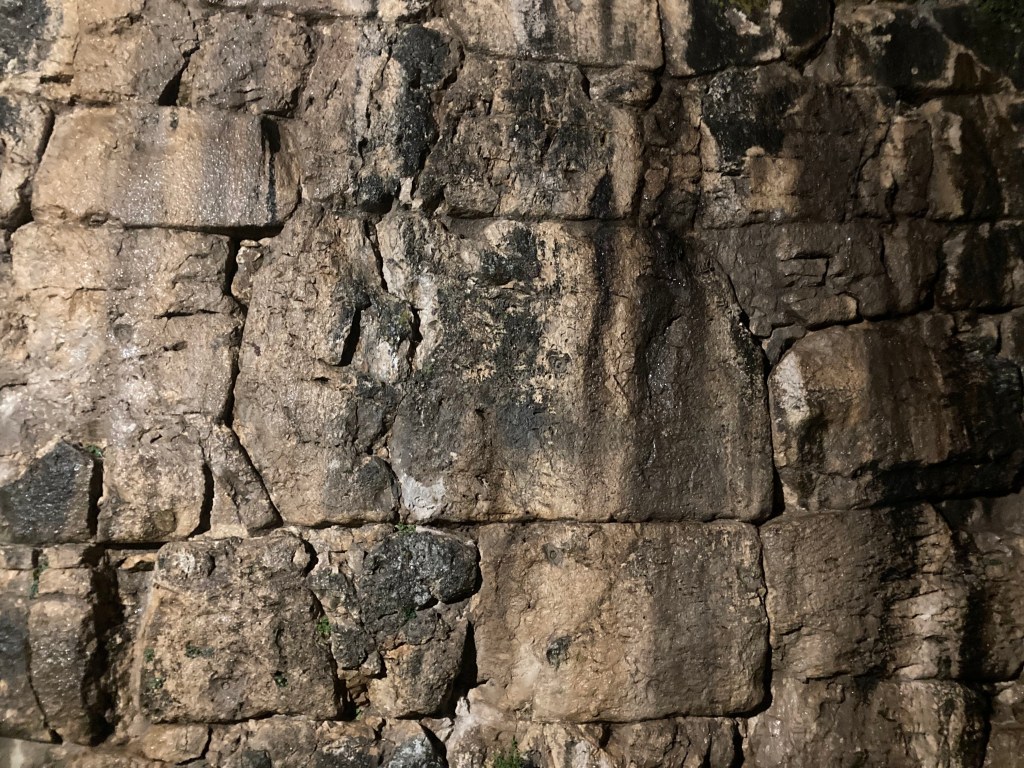
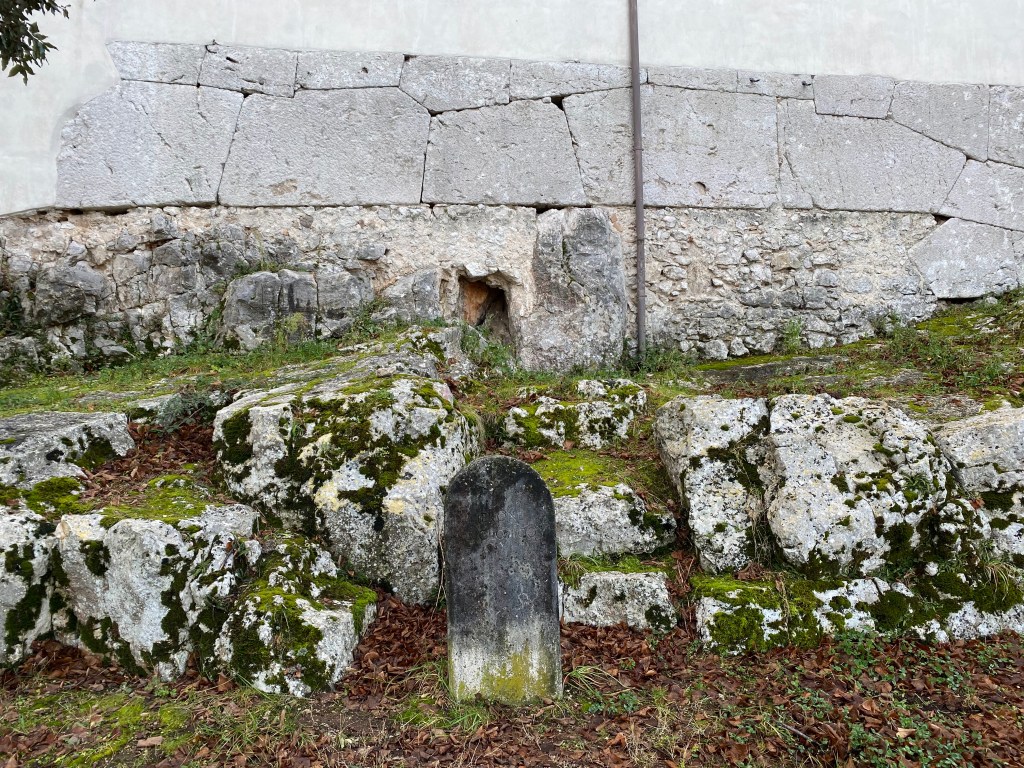
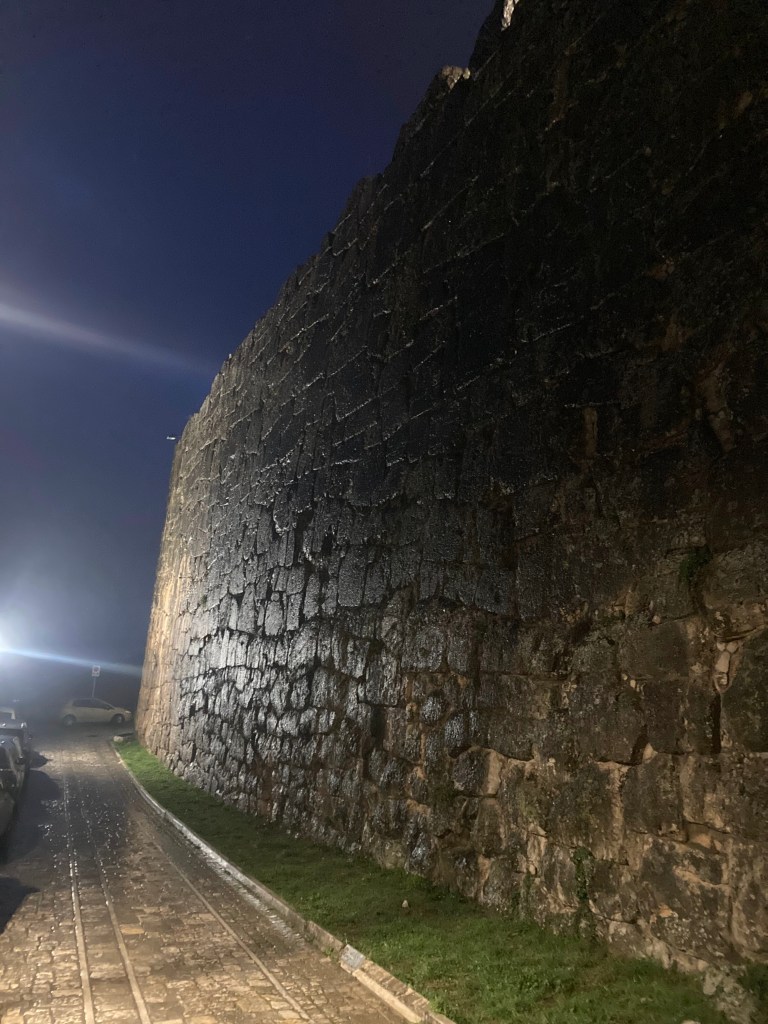
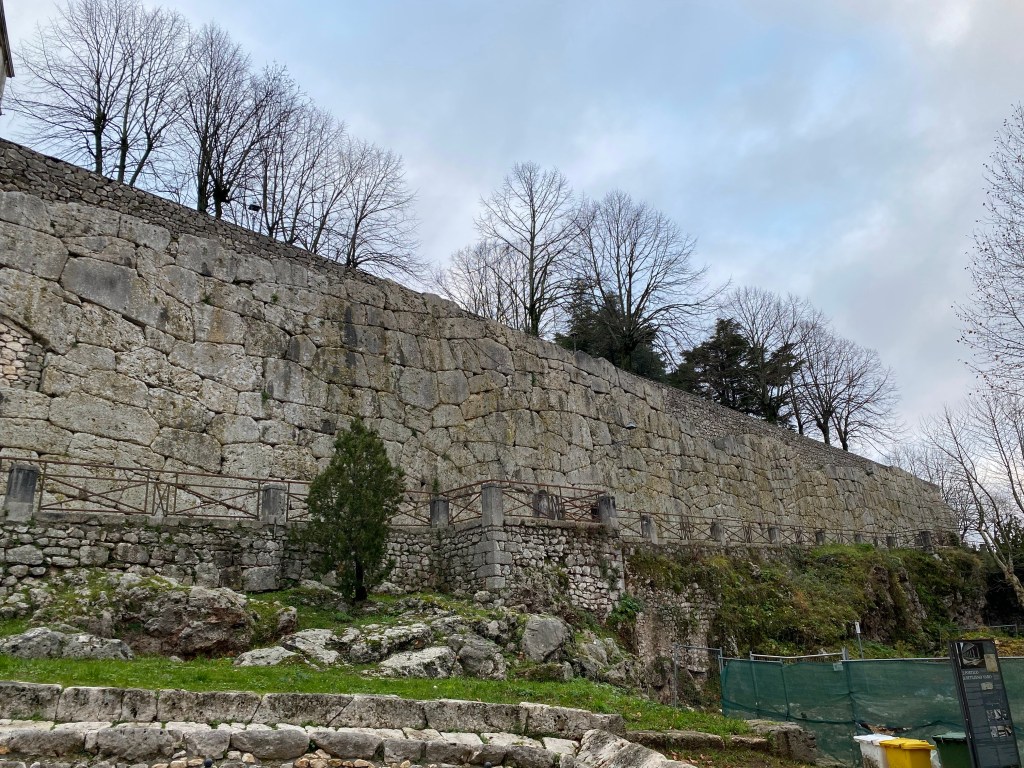
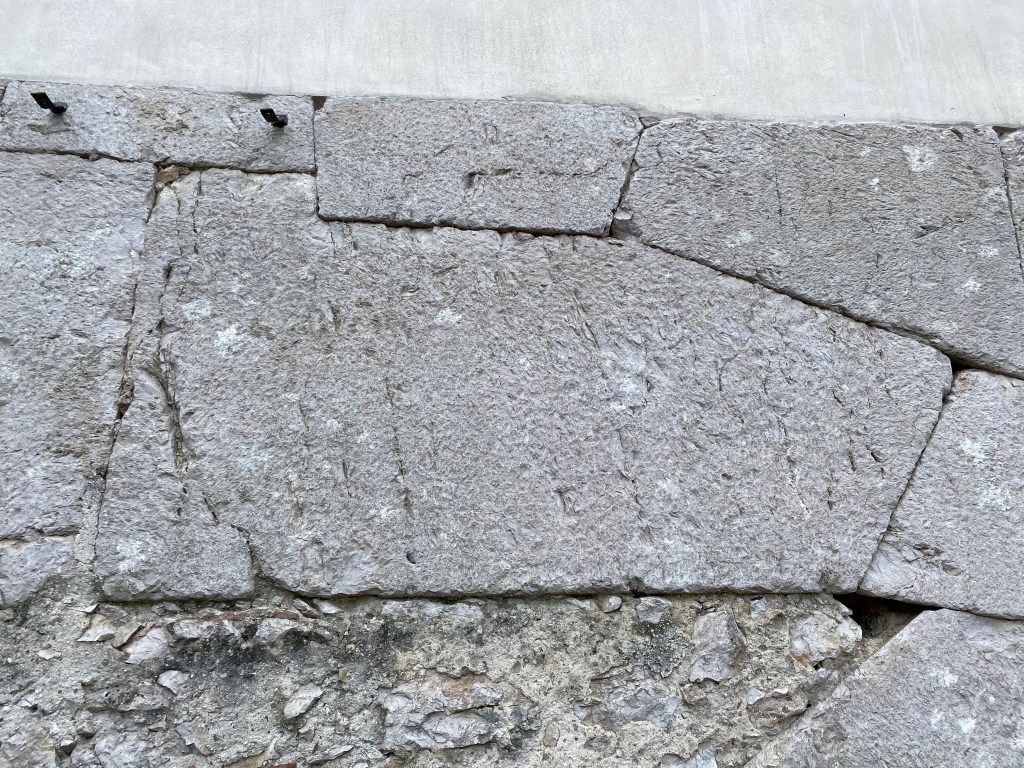
Characteristics: Precise polygonal masonry forming an outer circuit of walls of almost 4km in length and an inner acropolis approximately 9-15 meters high. The acropolis was entered via two megalithic gateways or a sloping ramp and topped with an exceptional polygonal pedestal. The acropolis wall also contains three polygonal niches of unknown function. The entire site has documented astronomical alignments and proportional distances from a center point on the acropolis to all of the outer gates.
Polygonal classification: Types II-III (Lugli)
Attribution: The walls are mainly attributed to the Hernici with later influence by the Roman Republic after 306 BC.
“When I found myself before that black, titanic construction, preserved in excellent condition, almost as if it counted not centuries and centuries but only years, I felt an admiration for human strength far greater than that which the sight of the Colosseum had inspired in me… A race that could build such walls must already have had an important culture and orderly laws.” – Ferdinand Gregorovius, Aus den Bergen der Herniker
Specific points to see:
- Alatri Acropolis – Porta Maggiore, Porta Minore (Porta dei Falli), three niches, foundations of the Cattedrale di San Paolo
- Perimeter polygonal wall and gateways surrounding the old town – Porta San Francesco, Porta San Benedetto, Porta San Pietro, Porta Portati, Porta Portadini
 Minutiae