
CASTRO DO PÓPULO
Location: Pópulo, Vila Real (Portugal) — 41.3728 N, 7.4891 W
Dating: 8th–2nd centuries BC
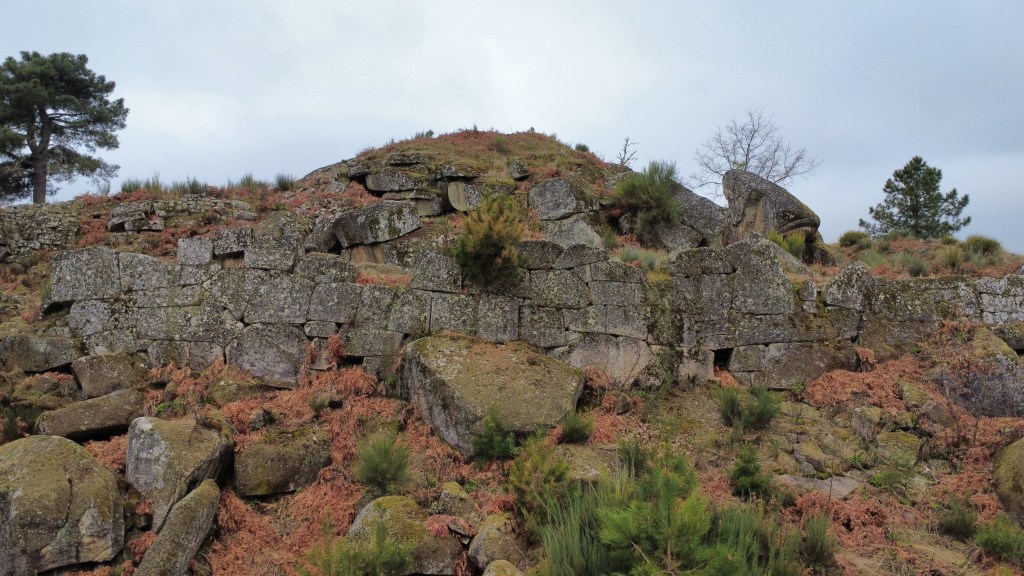
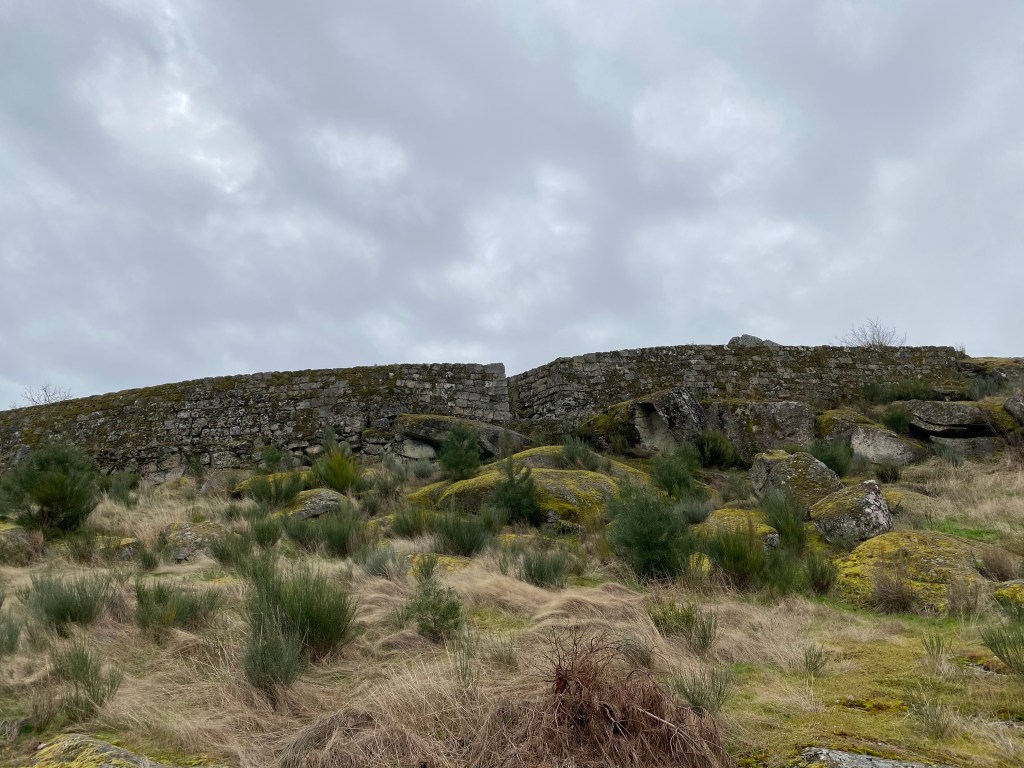
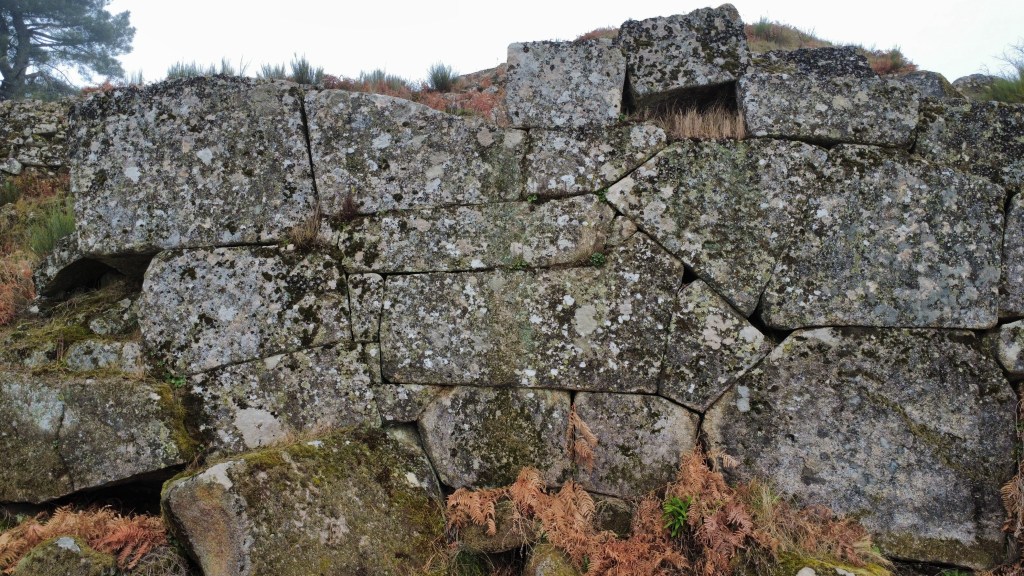
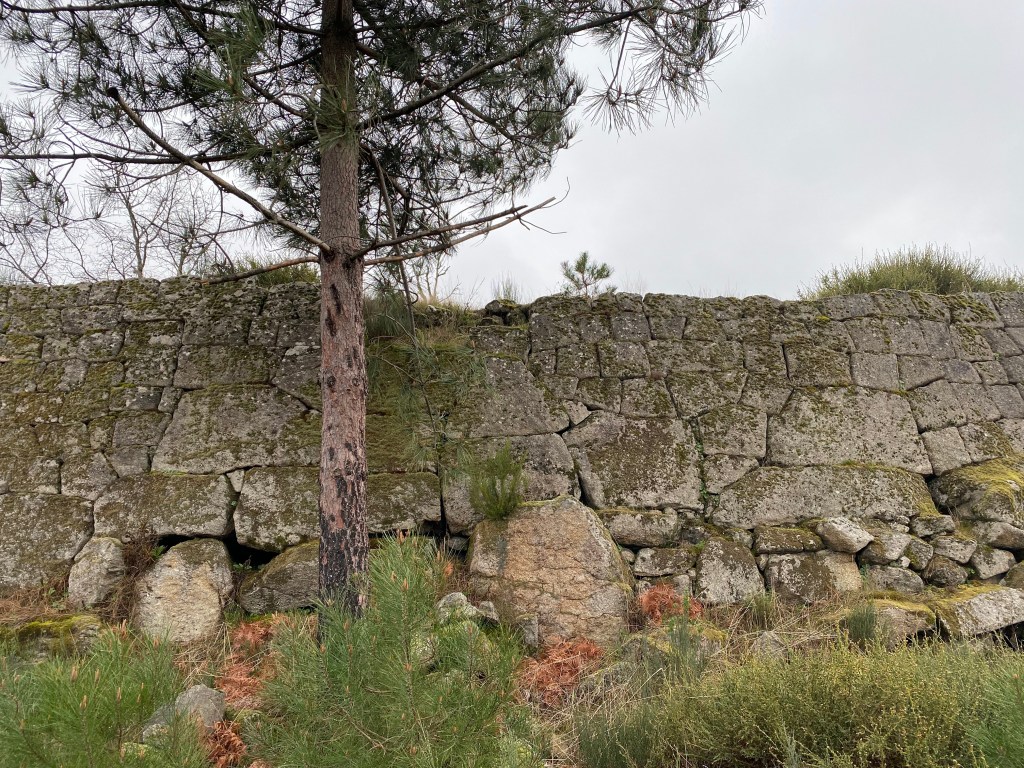
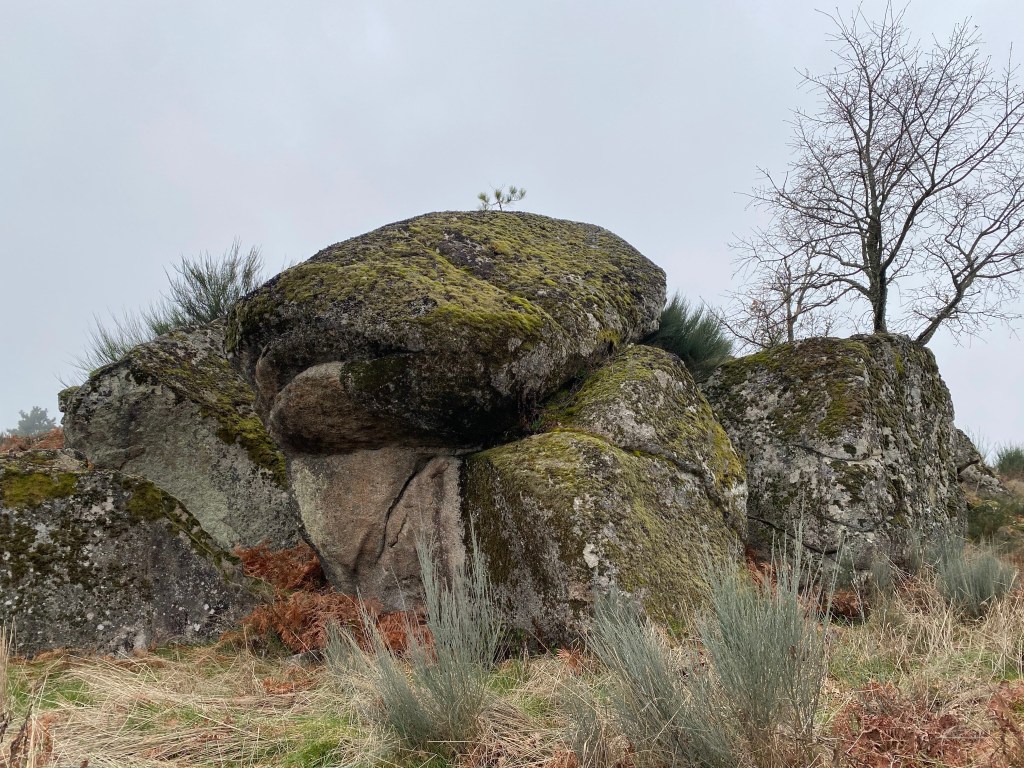
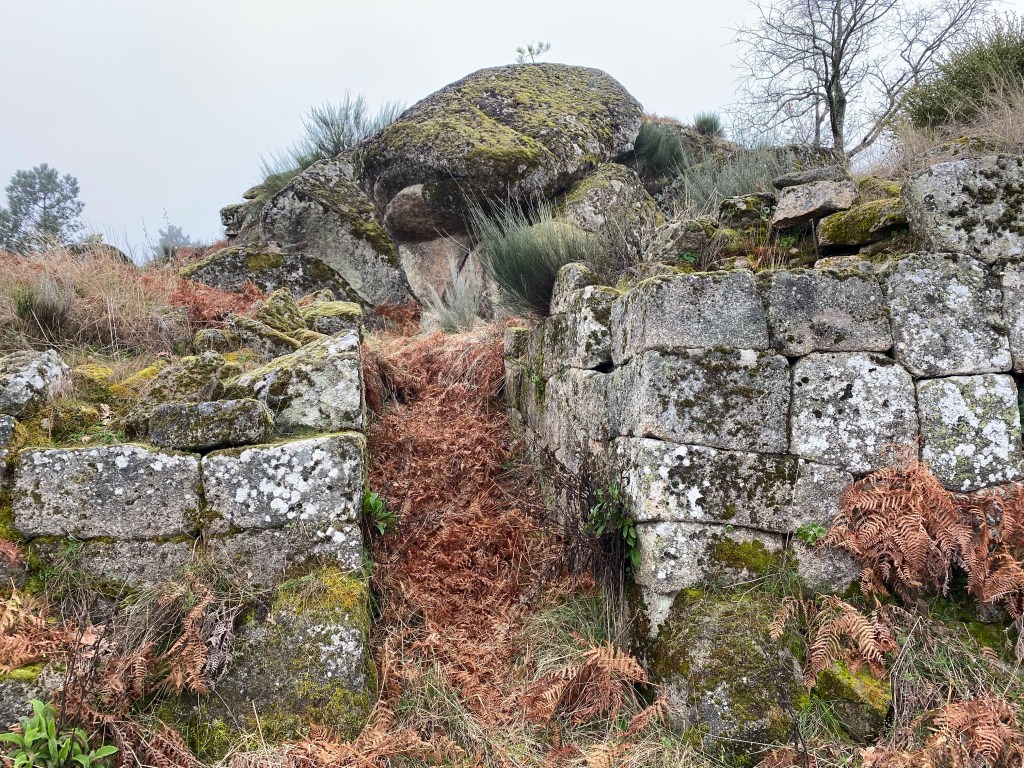
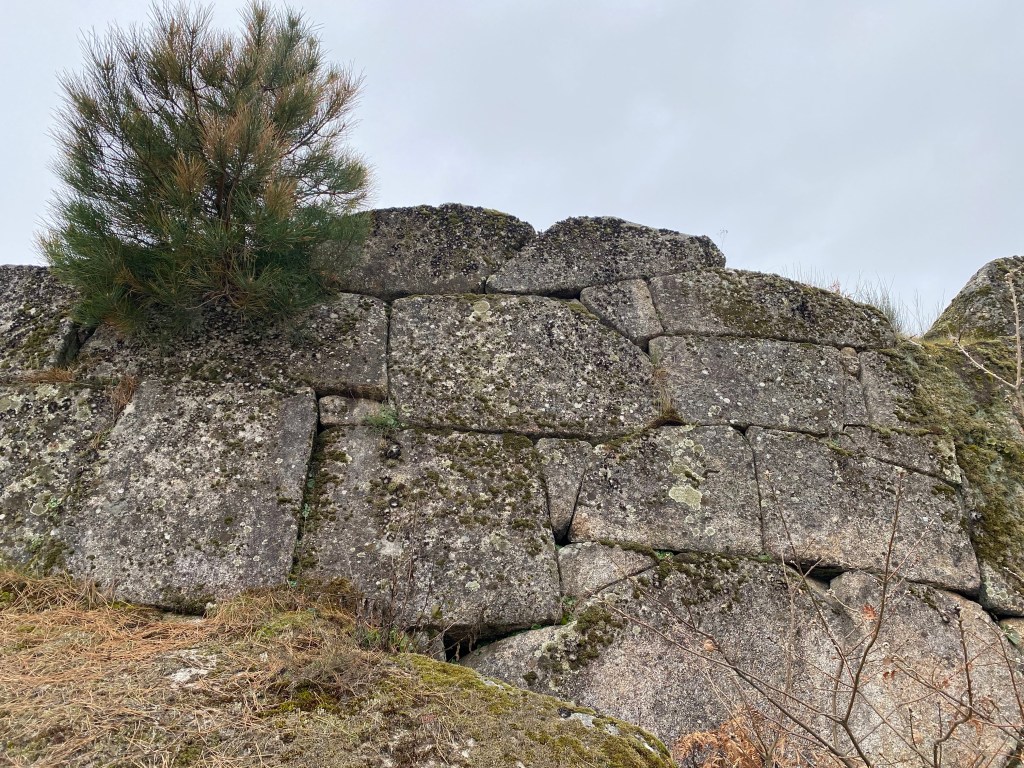
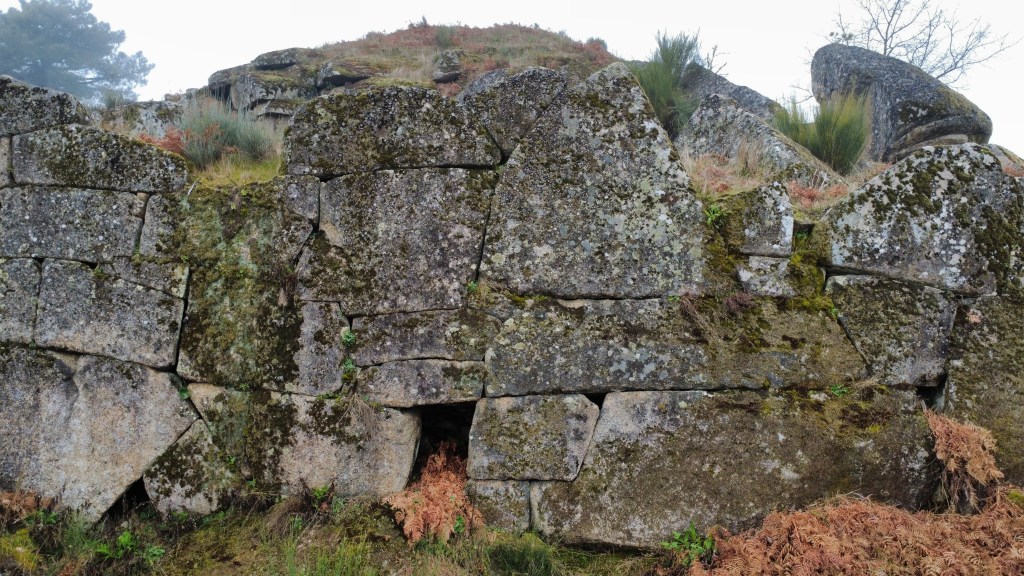
Characteristics: Castro do Pópulo occupies a strategic hilltop overlooking surrounding valleys in northern Portugal. The original fortifications are quite well preserved and are made of rectangular dry-fitted granite blocks with some multi-angled ones at the base; however, one particular stretch of polygonal masonry can rightly be defined as cyclopean. The eastern facing section which extends for approximately 20-30 meters is made of massive polygonal blocks tightly fit one to another. The largest blocks are over 1-2 meters long and sit at least 1 meter deep. Interestingly, the tightly joined polygonal blocks abruptly end and more rectangular stones take over indicating a change in builder or skillset at some point in the distant past. The wall’s precision evokes a comparison to the most precise polygonal walls of Italy, Greece and Turkey and makes it one of a kind among Portugal’s castro culture. Yet, despite such intriguing mysteries, the site is still not fully understood or properly dated. Also of note, directly above the polygonal wall lies a large outcrop of granite boulders. It is unclear what significance this had for the local populations who built and inhabited this site.
Polygonal classification: The castro stonework is not typically classified as a polygonal style, but one stretch is most similar to Type III (Lugli)
Attribution: The hilltop fort is attributed to the Castro culture populations of northwestern Iberia, possibly a tribe of pre-Celtic Lusitanians.
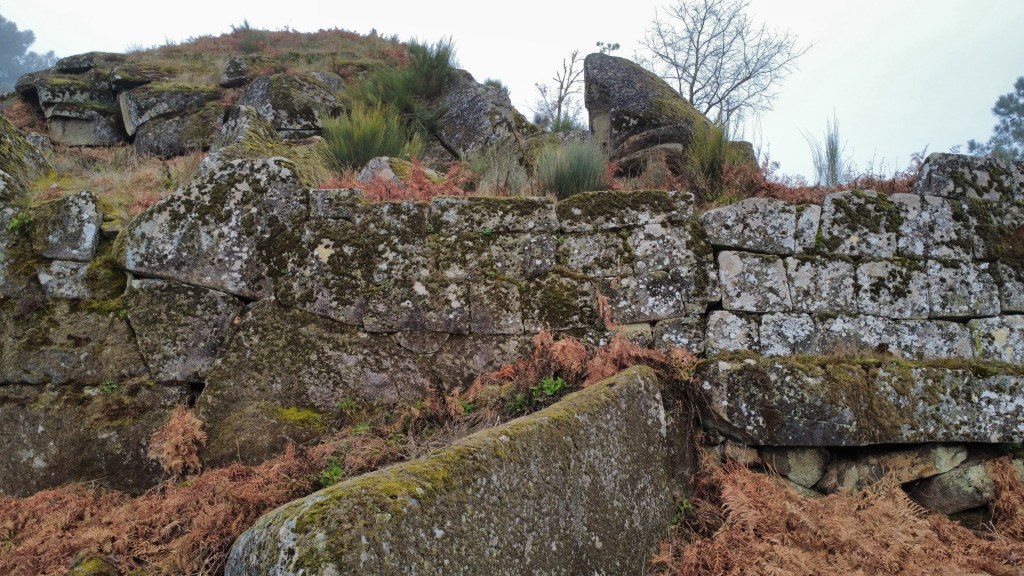
Specific points to see:
- Castro do Pópulo & Igreja Nossa Senhora da Boa Morte
 Minutiae